







- Admission
- Free access to Park and Gardens (except during
- Where
- Versailles, Île-de-France
- Directions
- Directions
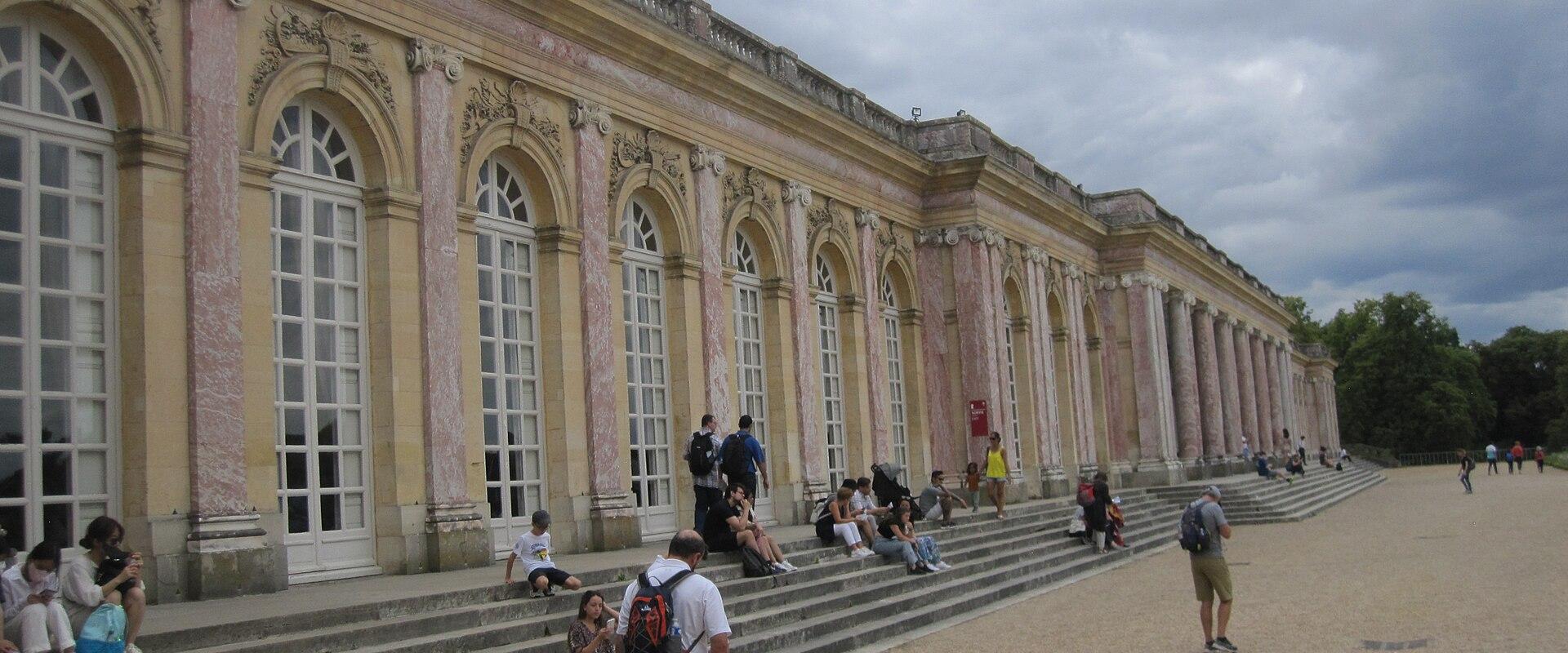
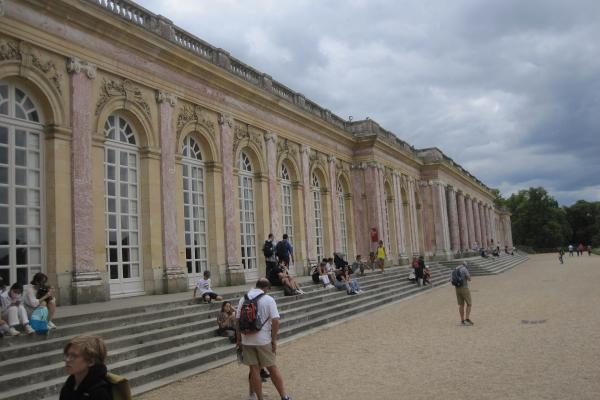
The Grand Trianon is a small palace in the northern part of the Versailles estate, built for Louis XIV so that he could escape the strict etiquette of the main palace and spend time with a few chosen companions. It was designed in 1687 by Jules Hardouin-Mansart and replaced an earlier little pavilion known as the Trianon de porcelaine, which was covered in blue-and-white tiles. The new building was made of pale stone and pink marble, with a single storey and a long open colonnade, called the peristyle, linking the two wings. The result is lighter and more intimate than the great palace, and the contrast between the two is a large part of its charm, even though the correct date means it belongs to the late seventeenth century, not the eighteenth.
The interiors show how royal taste changed over time. Louis XIV used the Trianon for informal meals and gatherings, and later his successors also used it as a retreat. Napoleon had the rooms refurbished in the Empire style, with bold colours, gilt furniture and heavy fabrics, and he and his family stayed there. In the twentieth century, the palace played a role in diplomatic history, since the peace treaty that ended the First World War with Hungary was signed here in 1920, and it was restored in the 1960s on the initiative of President de Gaulle, who wanted a residence for important visitors. Today the rooms are open to visitors and show a mixture of furnishings from different periods.
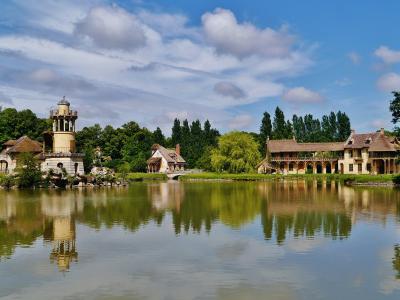
Outside, the gardens are one of the highlights. They follow the French formal style, with flower beds, canals, groves and fountains laid out with geometric precision, and the colonnade of the palace looks out over them. The gardens are quieter than those around the main palace, and walking through them gives a feeling of calm even in the busy season. A longer stroll leads to other parts of the Trianon estate, including the Petit Trianon, built for Louis XV and later used by Marie-Antoinette, and the Queen's Hamlet, a make-believe village of cottages and farm buildings created for her. Audioguides are available to help visitors follow the history of the buildings and grounds.
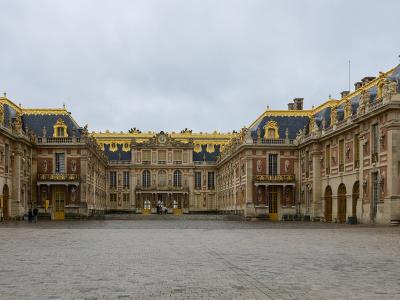
Versailles itself has many other sights. The Palace of Versailles with its Gallery of Battles, the Parterre d'Eau, the Grand Canal, the Royal Opera of Versailles and the Church of the Royal Domain are all part of the same site, and the Trianon Estate Market provides refreshments.
Allow an hour or two, plus time to walk between the buildings. It suits history lovers, garden lovers and anyone looking for a calmer corner of Versailles. Tickets and opening days differ from the main palace, so check the official website.
Categories
More photos coming soon
Admission Fees
- Admission
- Free access to Park and Gardens (except during
Hours and prices change, especially out of season. Check with the venue before you go.
Nearby Attractions
Other places to visit in Versailles
Palace of Versailles (Château de Versailles)
UNESCO site with 2,300 rooms in Versailles
Gardens · History Museums
The Queen's Hamlet (Hameau de la Reine)
18th-century model village with working dairy
Guided Experiences · Historic Architecture
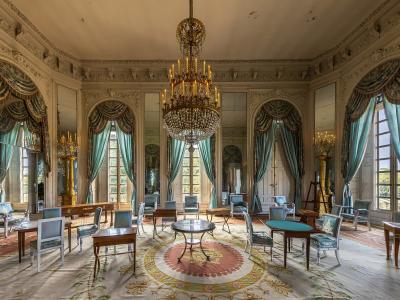
Trianon Estate Market
Marie-Antoinette's intimate retreat with rustic hamlet
Guided Experiences · Historic Architecture
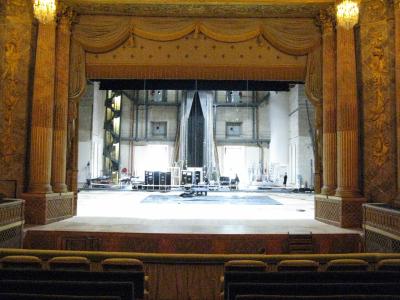
Royal Opera of Versailles
Historic opera house in Versailles, France
Historic Architecture · Museums & Culture
Questions people ask
Quick Facts
Free access to Park and Gardens (except during
Best Time to Visit
March to July offers favorable weather and ideal conditions for exploring the gardens and outdoor attractions.