







- Where
- Poitiers, Aquitaine
- Directions
- Directions
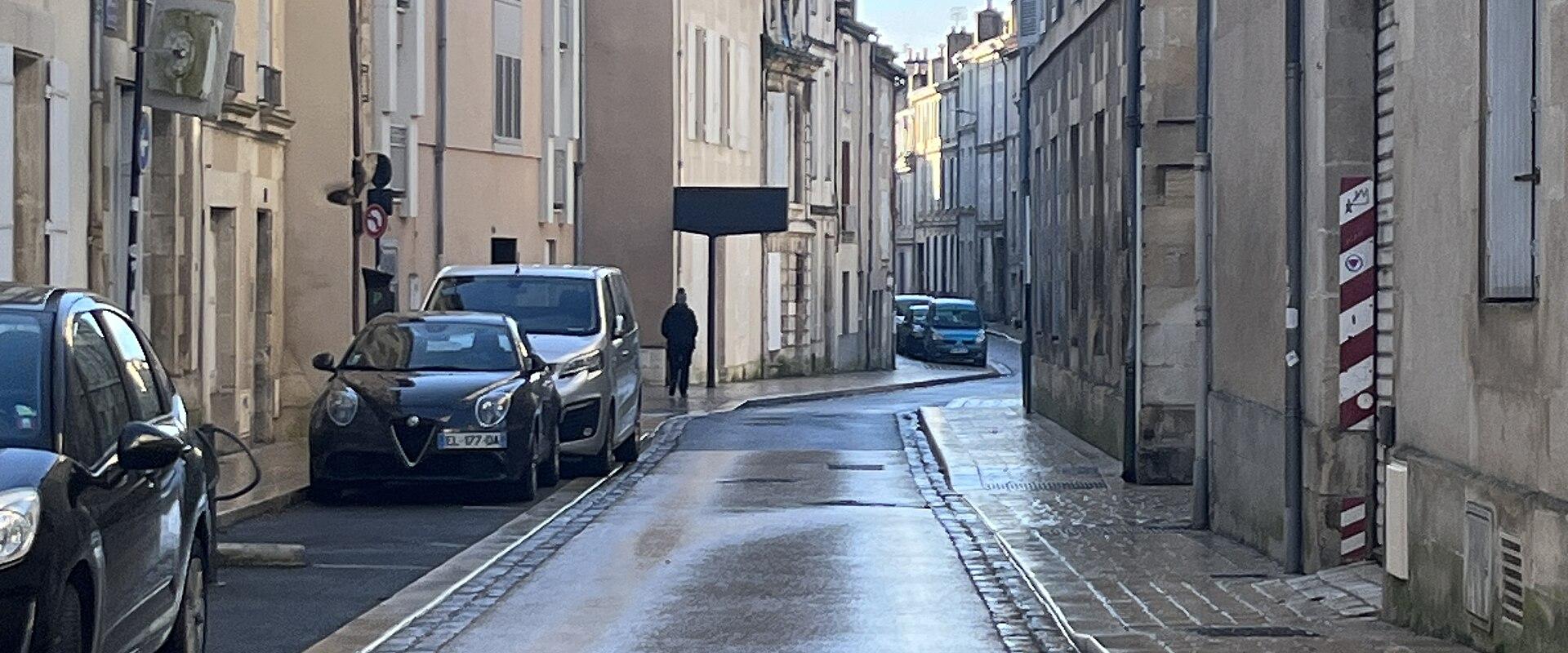
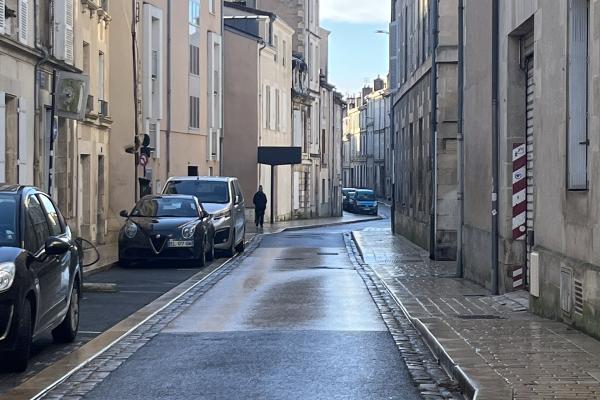
Rue de la Tranchée is a street on the eastern side of the centre of Poitiers, running beside the Parc de Blossac, and it belongs to the quiet residential and commercial quarter that lies between the historic centre and the valley of the Clain. It is not a tourist sight in the usual sense, and there are no monuments on the street itself, but it gives access to one of the nicest green spaces in the city and to a part of Poitiers that visitors on a short stay tend to miss.
The Parc de Blossac, which borders the street, is the main reason to come this way. It was laid out in the eighteenth century by the intendant of the region, the Marquis de Blossac, on the edge of the plateau on which the old town stands, and it has a formal French garden near the entrance with clipped hedges and gravel paths, and a more informal English-style part, with trees and winding paths, toward the slope. It covers roughly nine hectares, and its terraces overlook the valley of the Clain, where the river runs through the lower part of the town. Locals call it the lung of the city because it provides shade and fresh air near the centre, and in summer it is full of people walking, reading and playing. The park has old trees, flowerbeds and a small zoo, as well as a view over the roofs and bridges below.
The street is near several of the places that make Poitiers worth visiting. The city was an important centre in the Middle Ages, and the capital of the Counts of Poitou and Dukes of Aquitaine, among them Eleanor of Aquitaine, who held court here in the twelfth century. The old ducal palace, now the Palais de Justice, is in the centre of town, and its great hall can be visited. The Romanesque church of Notre-Dame la Grande, with its richly carved west front, the Baptistère Saint-Jean, which dates from the fourth century and is one of the oldest Christian buildings in France, and the cathedral of Saint-Pierre are all within a short walk. The Église Saint-Hilaire-le-Grand, a Romanesque church on the edge of the old town, is also close, as are the Église Saint-Jean and the Musée Sainte-Croix, with its collection of art and archaeology.
A walk along Rue de la Tranchée and into the park makes a calm break from the main streets, and the area is well served by buses. It suits those who enjoy gardens and quiet quarters, and a stroll through it can be combined with a visit to the old town. The best time for the park is a sunny morning or late afternoon.
Categories
More photos coming soon
Nearby Attractions
Other places to visit in Poitiers
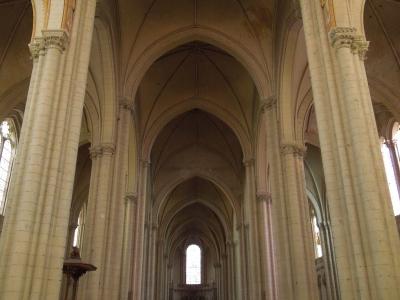
Basilica of Saint-Pierre
12th-century Angevin Gothic hall church
Architectural Landmarks · Churches
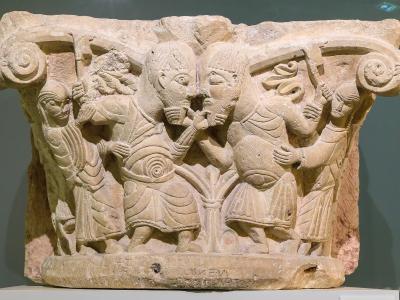
Musée Sainte-Croix
Poitiers' largest museum of regional archaeology
Historic Architecture · Museums & Culture
Église Saint-Jean
4th-century Christian monument with Gothic frescoes
Architectural Landmarks · Churches
Questions people ask
Quick Facts
Best Time to Visit
Mid-June to mid-September offers warm weather and ideal conditions for outdoor activities and sightseeing.