







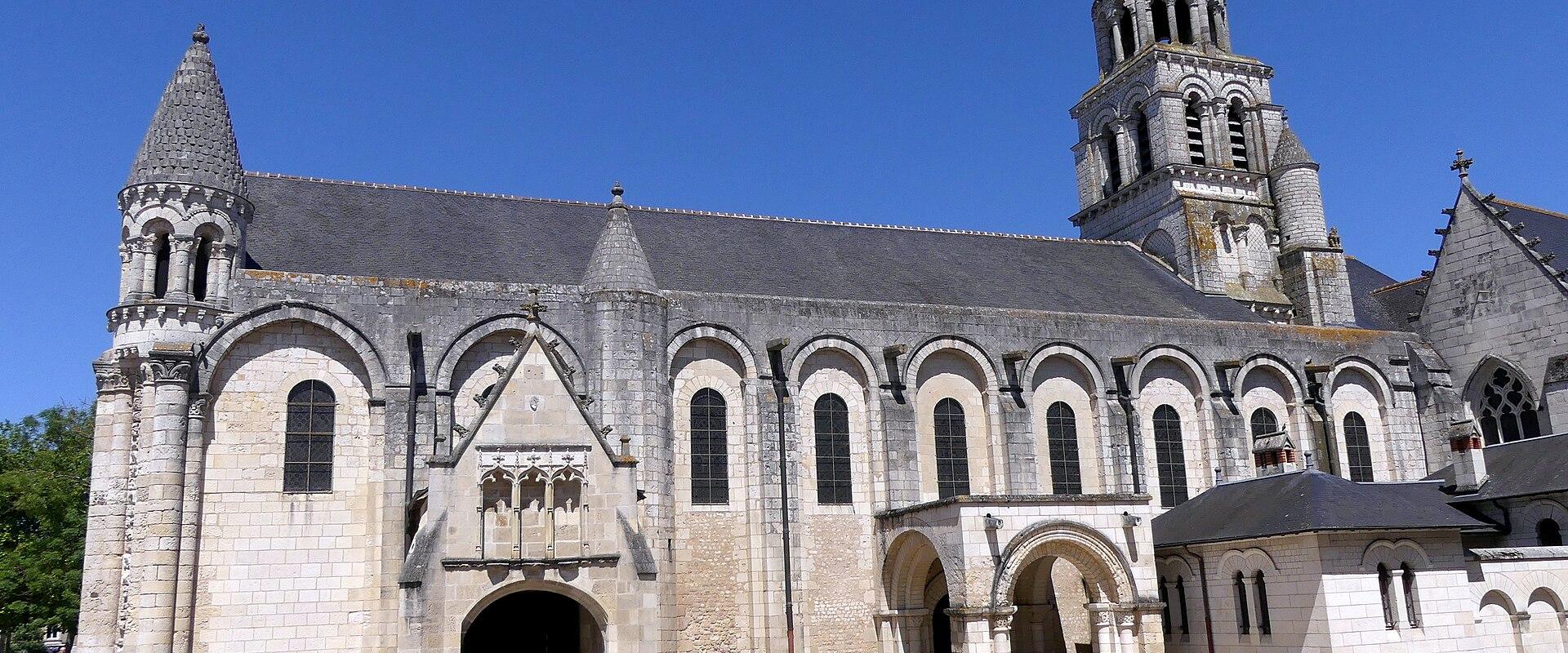
Poitiers, situated in the Vienne department of western France, is a city with a profound historical and academic identity. Historically, it was a significant Gallic and Roman settlement, known as Limonum. During the Middle Ages, it became the capital of the Duchy of Aquitaine under Eleanor of Aquitaine, playing a crucial role in European politics and culture. The city is famous for the Battle of Poitiers in 732, also called the Battle of Tours, where Charles Martel defeated the Umayyad Caliphate, halting their advance into Western Europe, and for a second battle in 1356 during the Hundred Years' War. The city's religious importance is reflected in its numerous churches and abbeys, particularly the Basilica of Notre-Dame-la-Grande, a masterpiece of Romanesque sculpture. The University of Poitiers, founded in 1431, is one of the oldest in France, contributing to the city's intellectual atmosphere and student population. The city also played a role in the French Wars of Religion and was heavily damaged during World War II, leading to post-war reconstruction that preserved much of its historic character.
The main attractions in Poitiers reflect its religious, academic and historical heritage. The Basilica of Notre-Dame-la-Grande is the city's most iconic landmark, featuring an elaborate facade with sculpted capitals depicting biblical scenes. The Cathédrale Saint-Pierre is a Gothic building begun under Henry II and Eleanor, with fine 12th-century glass. The Palais des Ducs d'Aquitaine, now housing the law courts, is a medieval fortress that offers insights into the history of the Duchy of Aquitaine. The Hôtel de Ville, a building of the 19th century in a Renaissance revival style, is located in the Place du Maréchal-Leclerc. The University of Poitiers campus is a significant part of the city's landscape, with historic buildings and modern facilities. The Musée de la Grande Guerre du Pays de Niort is nearby, but within the city, the Musée Sainte-Croix houses archaeological finds and art. The Baptistère Saint-Jean is a rare 4th-century monument. The Clain River offers scenic walks and bridges that connect the old town with the newer districts, and the Rue de la Tranchée is a shopping street near the Blossac park.
Poitiers offers various activities for visitors interested in history, art and culture. The city hosts the Festival de Poitiers, a major music festival, and the Poitiers Jazz Festival. The old town features narrow streets lined with half-timbered houses and historic buildings, good for walking tours. The city is also known for its escape rooms and interactive games, adding a modern twist to historical exploration, and the Futuroscope theme park is a short drive north. The local cuisine features Poitevin specialties, including fougasse, duck confit, goat cheese such as chabichou and local wines, with Cognac and Pineau des Charentes found farther south. The surrounding Charente region offers opportunities for cycling along the Vienne River and exploring nearby châteaux. The city also has a vibrant nightlife, with numerous cafes and bars catering to the student population.
Getting to Poitiers is convenient via train, with TGV services connecting it to Paris in about an hour and twenty minutes, Bordeaux and other major French cities. The train station is located close to the city center, making it easily accessible. For those traveling by car, Poitiers is connected by the A10 and A83 motorways. The best time to visit is from mid-June to mid-September, when the weather is warm and pleasant, ideal for exploring the outdoor attractions and walking tours. July and August are the warmest months, with average highs around 25°C, but also the busiest. Spring and autumn offer milder weather and fewer crowds, making them suitable for sightseeing and museum visits. Winter is cooler and quieter, offering a serene atmosphere for indoor museum visits.
Best time to visit
Mid-June to mid-September offers warm weather and ideal conditions for outdoor activities and sightseeing.
What to see in Poitiers
Our picks first.
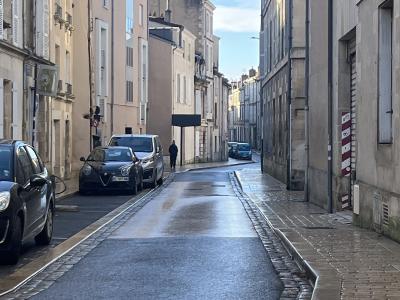
Rue de la Tranchée
Historic Poitiers street near Eleanor of Aquitaine's palace
Urban Exploration
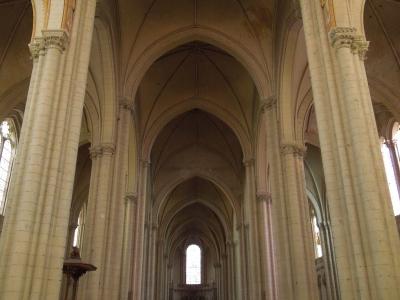
Basilica of Saint-Pierre
12th-century Angevin Gothic hall church
Architectural Landmarks · Churches
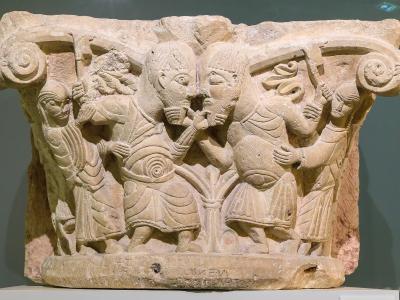
Musée Sainte-Croix
Poitiers' largest museum of regional archaeology
Historic Architecture · Museums & Culture
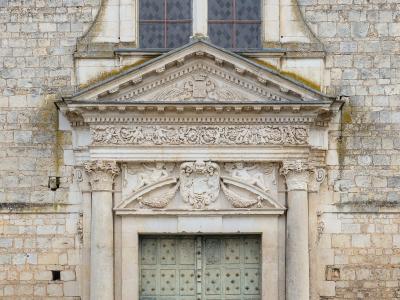
Église Saint-Jean
4th-century Christian monument with Gothic frescoes
Architectural Landmarks · Churches
Poitiers by interest
The same sights, grouped by what you came for.
Did you know?
Checked facts about Poitiers, each with its source.
-
History
Poitiers Preserves Medieval Heritage
Poitiers, located in the Vienne department of the Nouvelle-Aquitaine region, is a historic city renowned for its medieval architecture and vibrant academic life.
Source: University of Poitiers Exchange | Global Education Oregon -
History
Poitiers Keeps Roman-Era Traces
Often called the 'City of a Hundred Bell Towers,' it boasts a rich heritage dating back to Roman times, with significant landmarks from the Middle Ages.
Source: Poitiers
Planning a visit to Poitiers
Itineraries that include Poitiers
Good to know
- Currency
- EUR
- Language
- French
Quick Facts
Book your stay
Questions people ask
More places in Aquitaine
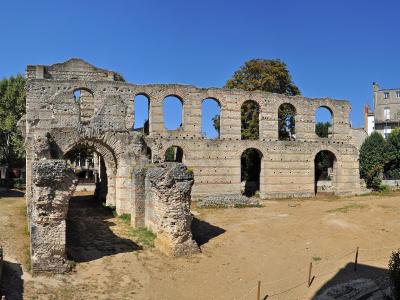
Aquitaine
Bordeaux
UNESCO-listed port city and global capital of fine wine
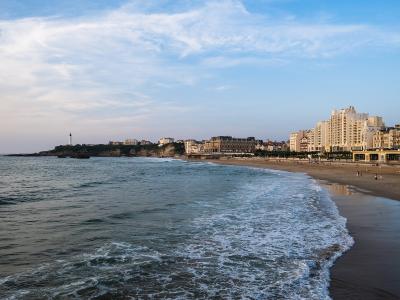
Aquitaine
Biarritz
Atlantic coastal resort in the French Basque Country
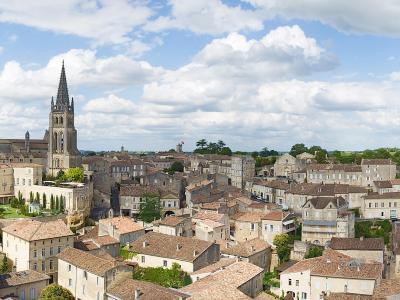
Aquitaine
Saint-emilion
UNESCO medieval village and heart of Bordeaux wine region
Aquitaine
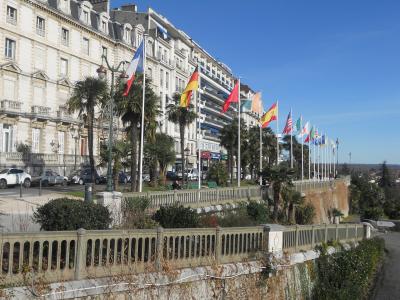
Pau
Gateway to the Pyrenees with royal castle and sunny climate