







- Where
- Amboise, Centre-Val de Loire
- Directions
- Directions
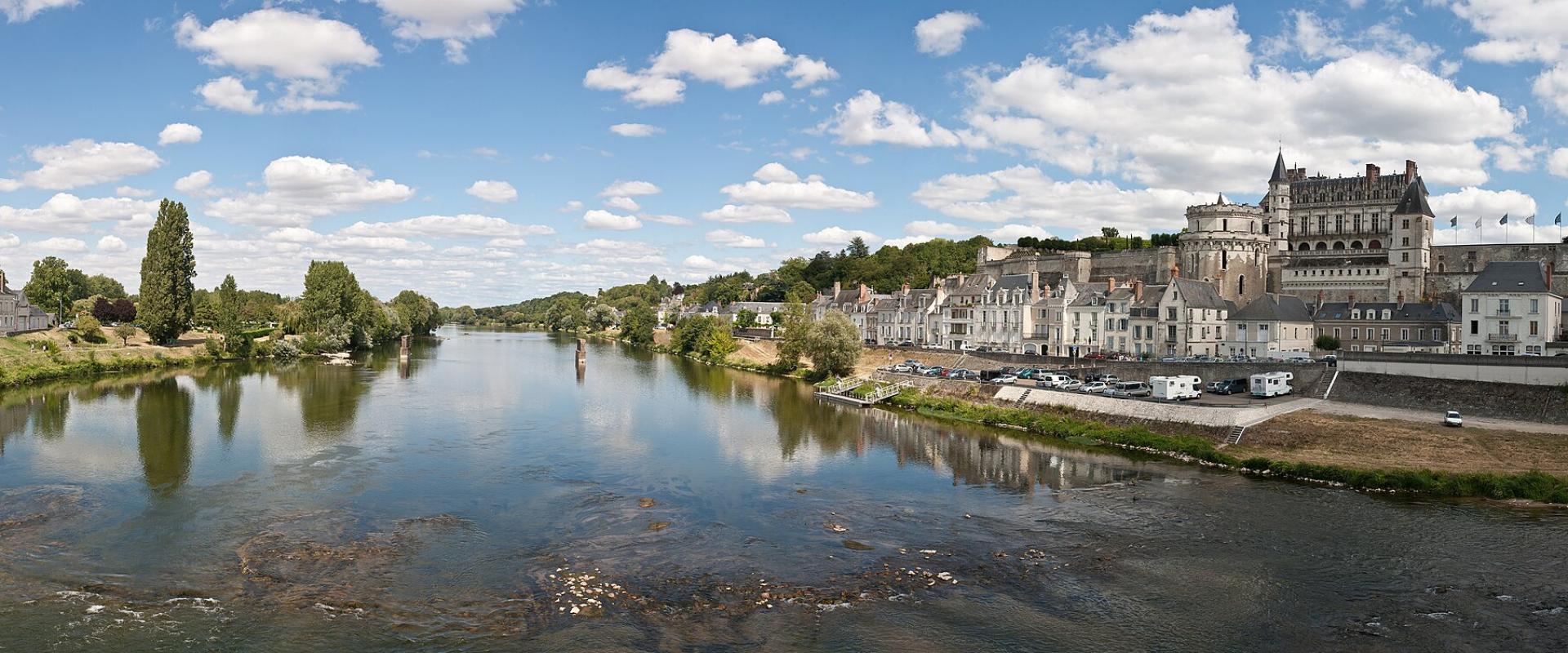
The Loire is the longest river in France and the last of its great rivers to run wild, and at Amboise, a small town with a very large past, a riverside path gives a close view of it. The Sentier des Bords de Loire follows the banks below the town, with the royal château rising on its rock above, and it makes an easy walk that places the monuments of Amboise in their natural setting. It is flat and well marked, suitable for walkers, families and cyclists, and it forms part of the long-distance cycle route known as the Loire à Vélo, which follows the river for hundreds of kilometres.
The river is the key to the landscape. The Loire is a broad, shallow river with sandbanks and islands that shift with the seasons, and its banks are lined with poplars, willows and reed beds. Birds are common: herons, egrets, terns, cormorants and kingfishers hunt along the water, and in spring and summer the sandbars are nesting sites for terns and little ringed plovers. In low water in late summer, the river shrinks to a few channels between wide sandy beaches, while in winter and spring it can flood, and the paths may be closed. The section of the valley between Sully-sur-Loire and Chalonnes-sur-Loire is a UNESCO World Heritage Site, in recognition of the combination of cultural landscape, towns and châteaux.
Amboise is one of the highlights of the valley. The Château Royal d'Amboise, on a spur above the river, was the residence of the French kings in the late fifteenth and early sixteenth centuries, notably Charles VIII, who rebuilt it after returning from Italy with a taste for the Renaissance, and Francis I, who spent his childhood here. Leonardo da Vinci came to France at Francis's invitation and spent his last three years, from 1516 to 1519, at the Clos Lucé, a manor house a short walk from the château, and he is buried in the château's chapel of Saint-Hubert. The Loire path allows you to see these monuments from below, with the walls of the château towering over the bridge and the quay, and the views are best at sunrise and sunset.
The path also passes places for a break. The Île d'Or, an island in the river reached by the bridge, is a pleasant green space with picnic areas, and the quays of the town have cafés and restaurants. The old streets of Amboise, with the Rue Nationale and the church of Saint-Denis, are a few steps from the river, and the Maison du Vieux Amboise tells local history. A few kilometres south, the Pagode de Chanteloup, an eighteenth-century pagoda built as a folly, stands in a park. Cyclists can follow the river to other châteaux, including Chaumont-sur-Loire and Chenonceau, which lies on the nearby river Cher.
The path suits walkers, cyclists, families and birdwatchers, and it is pleasant at any season, though spring and autumn have the best light. It is free and open at all times, but check the water level in times of flood. Wear comfortable shoes, bring water and sun protection in summer, and allow an hour or two for a stroll along the river.
Categories
More photos coming soon
Nearby Attractions
Other places to visit in Amboise
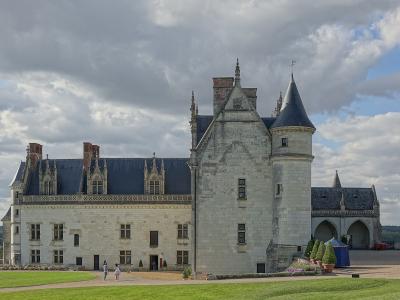
Château d'Amboise
Renaissance castle with Leonardo da Vinci's tomb
From €11 Castles · Heritage Trails
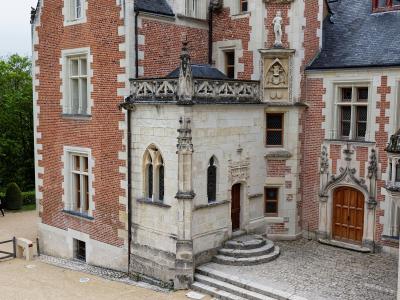
Clos Lucé
UNESCO site of Leonardo da Vinci's final residence
From €20 Guided Experiences · Historic Architecture
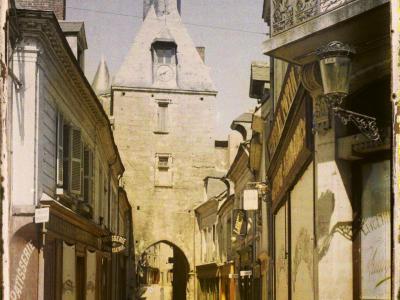
Rue Nationale
Historic main street in Amboise
Historic Towns
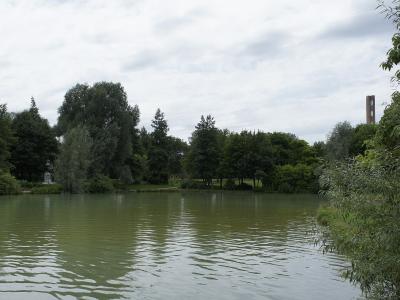
Parc de la Chaufferie
Historic steam-powered heating plant gardens
Nature & Parks
Questions people ask
Quick Facts
Best Time to Visit
May to June and September to October offer mild weather and fewer crowds for optimal exploration.