







- Admission
- Free admission
- Hours
- Daily from November 2 to February 28
- Where
- Arles, Provence-Alpes-Côte d'Azur
- Directions
- Directions
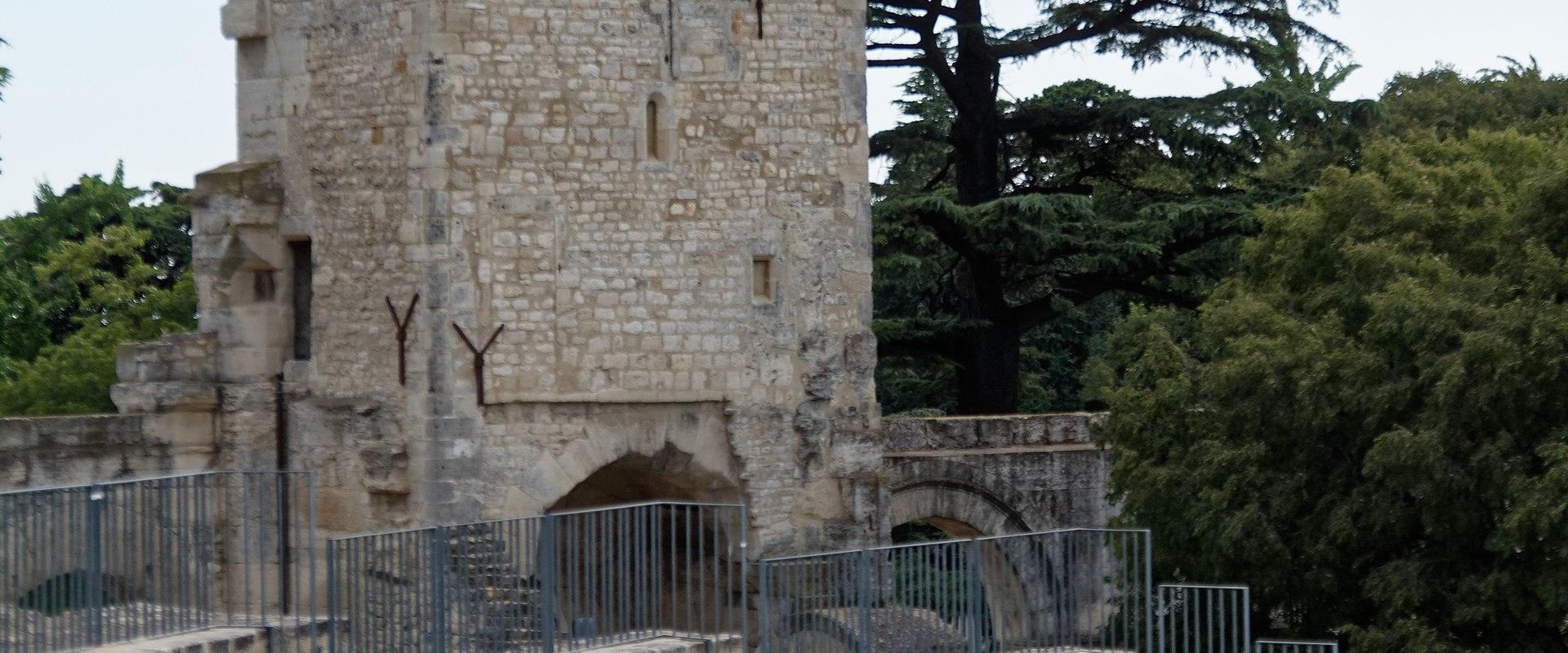
The Théâtre Antique d'Arles is one of the oldest Roman theatres in Gaul, built at the end of the first century BC, during the reign of the emperor Augustus, when Arles was being laid out as a Roman colony. It stood in the middle of the Roman town, not far from the forum, and could seat about eight thousand people, who came to watch plays, mimes and other performances. The semicircular rows of seats rose in a bowl against the slope, and behind the stage there was a tall façade, the scaenae frons, of three storeys with columns and statues in niches, a backdrop that was one of the glories of the building.
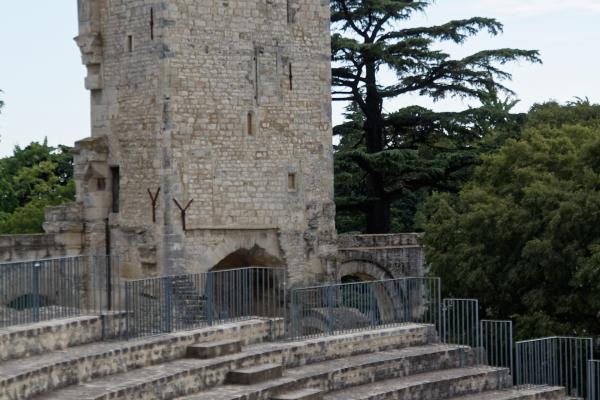
Much of this has gone. After the end of the Roman period, the theatre fell out of use, and in the Middle Ages its stones were reused for churches, houses and fortifications, so that the tiers of seats were stripped and the structure was gradually swallowed by buildings around it. Houses and a convent were built in and over the ruins, and only in the nineteenth century were these cleared and the remains excavated. What survives today is a portion of the seating, the foundations of the stage and, most striking of all, two columns of marble that stand alone on the stage and are known locally as the Two Widows, which rise as a reminder of the original façade.
The theatre has been the source of famous finds. In 1651 workers digging here uncovered the statue known as the Venus of Arles, a copy of a Greek original, which was given to King Louis XIV and is now in the Louvre. Other sculptures and fragments found in the excavations are displayed at the Musée départemental Arles antique, on the edge of the town, and at the Musée Lapidaire. The theatre is part of the group of Roman and Romanesque monuments of Arles that were inscribed on the UNESCO World Heritage List in 1981.
Today the theatre is used again for its original purpose. In summer the ruins are the setting for concerts, theatre and dance performances, and the Rencontres d'Arles, the international photography festival, uses the monument for evening events. For these occasions modern seating, stage structures and protective coverings are put up, which means the ruins may look different during the festival season, with some parts hidden behind equipment. Outside event periods, you can walk through the ruins and sit on the old stone seats, imagining the crowds. Opening hours vary with the season, and entry is part of a general ticket for the monuments of the town, so check at the tourist office.
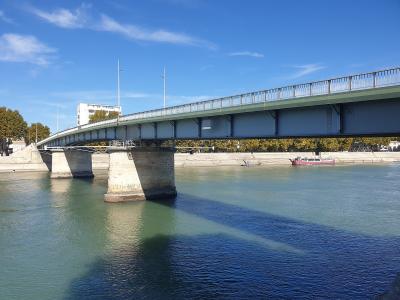
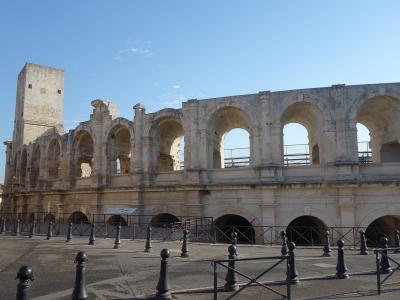
The theatre is close to the Arles Amphitheatre, which stands a few minutes' walk away and is still used for bullfights and shows, as well as the Cryptoportique, the Thermes de Constantin and the Church of St Trophime. The Musée Réattu, the Fondation Van Gogh and the Pont de Trinquetaille are other places to see. The theatre suits history lovers, photographers and those who enjoy a summer evening of live performance.
Categories
More photos coming soon
Hours & Fees
- Open
- Daily from November 2 to February 28
- Admission
- Free admission
Hours and prices change, especially out of season. Check with the venue before you go.
Nearby Attractions
Other places to visit in Arles
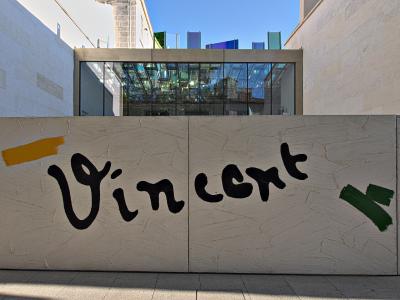
Van Gogh Foundation (Fondation Van Gogh Arles)
Van Gogh’s Arles home hosting contemporary art
From €8 Art Museums · Cultural Centers
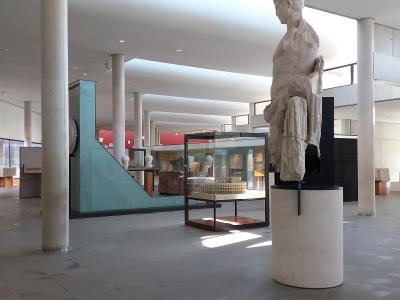
Arles Antique Museum (Musée Départemental Arles Antique)
Roman antiquities museum housing the oldest bust of Juliu...
From €5 Heritage Trails · History Museums
Pont de Trinquetaille
19th-century metal bridge with Van Gogh stairs
Bridges · Heritage Trails
Arles Amphitheatre
UNESCO Roman amphitheatre hosting bullfights
Architectural Landmarks · History Museums
Questions people ask
Quick Facts
Best Time to Visit
April to June and September to October offer mild weather and fewer crowds for optimal exploration.