







- Where
- Carcassonne, Midi-Pyrénées
- Directions
- Directions
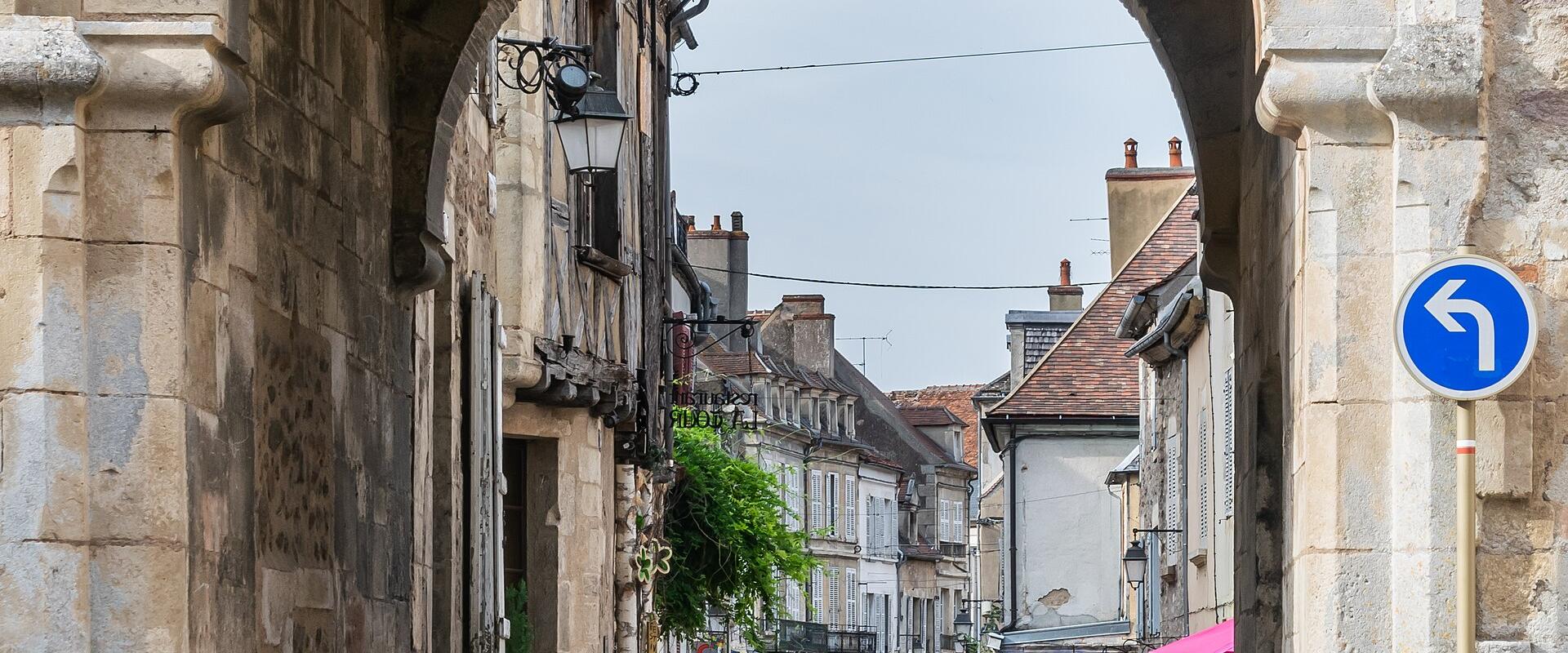
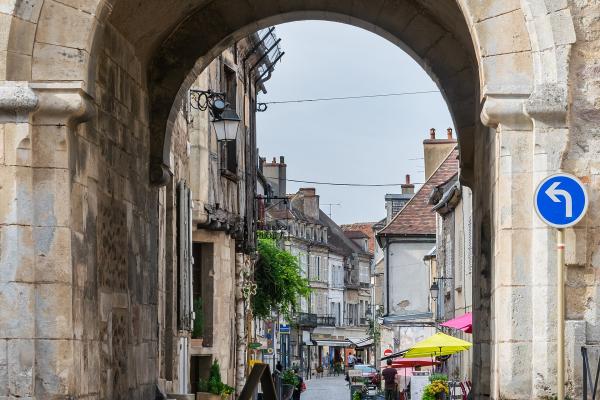
Carcassonne is really two towns in one. On a hill above the River Aude stands the Cité, the medieval fortress with its double circuit of walls and dozens of towers, and across the river lies the Bastide Saint-Louis, the lower town, laid out on a regular grid in the thirteenth century after King Louis IX forced the inhabitants out of the Cité. The Tour de l'Horloge belongs to this medieval world of towers, gates and defences, and a clock tower of this kind is a reminder that medieval towns marked time by bells and public clocks as much as by the movement of the sun. The surrounding landmarks give the best sense of the setting.
The Cité is the main attraction and is one of the best-known fortified places in Europe. It is protected by two concentric walls, with a total of about three kilometres of ramparts and some fifty towers, and it was listed by UNESCO in 1997. Its history stretches from a Gaulish and Roman settlement through the Visigoths and the counts of the Trencavel family to the Albigensian Crusade, during which it was besieged in 1209 and fell to the crusaders. It later became a royal fortress guarding the frontier with Aragon. By the nineteenth century the Cité was in ruins, and the architect Eugène Viollet-le-Duc led a controversial restoration, adding the pointed slate roofs on the towers that give it its fairy-tale silhouette today.
Within the walls, the Château Comtal, the castle of the counts, can be visited, and its ramparts give a close view of the defences. The Basilica of Saint-Nazaire, a church that combines Romanesque nave and Gothic choir, houses some of the finest medieval stained glass in the south of France. The lanes of the Cité are lined with shops and restaurants, and they are busiest in summer, so go early or stay until the evening, when the crowds thin and the walls are lit. The Bastide below is quieter and more local, with a large square, the Place Carnot, where the market is held, and covered halls, Les Halles de Carcassonne, selling regional produce.
The Pont-Vieux, the old bridge across the Aude, links the two parts of the town and offers the classic view of the Cité on its hill. The Canal du Midi, also listed by UNESCO, passes through the lower town and offers boat trips and towpath walks, and the Jardin des Carmes is a small green space. The Musée de la Résistance et de la Déportation tells the story of the Second World War in the region. Wine is also part of a visit, since the surrounding vineyards of the Languedoc, including the Cabardès and Minervois areas, produce good reds, and the town has several cellars offering tastings.
The area suits history lovers, families and anyone who enjoys walking in an atmospheric setting. Allow a full day if you wish to see both the Cité and the lower town. Check locally for access to individual towers.
Categories
More photos coming soon
Nearby Attractions
Other places to visit in Carcassonne
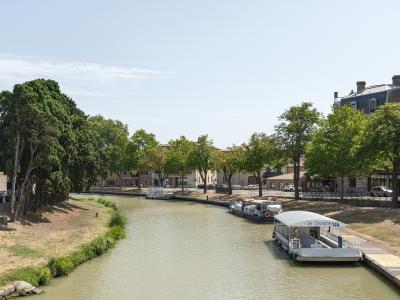
Canal du Midi
UNESCO site with Fresquel aqueduct and locks
Heritage Trails · Historic Towns
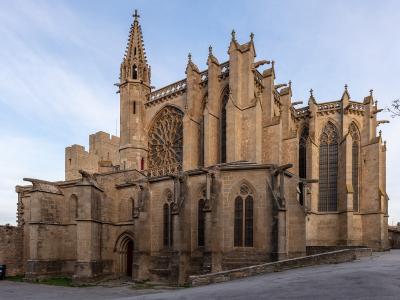
Basilica of Saint-Nazaire
Romanesque and Gothic basilica inside the Cité of Carcassonne
Free Churches · Heritage Trails
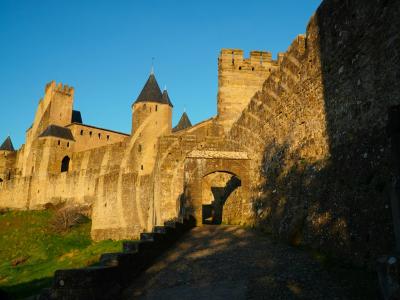
Cité de Carcassonne (The Medieval Fortress)
Double-walled medieval fortress in southern France
Fortresses · Heritage Trails
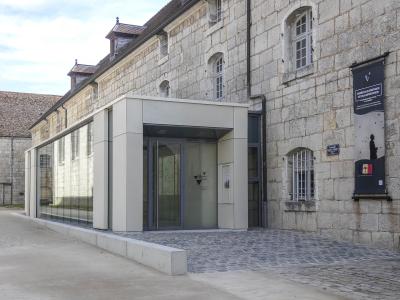
Musée de la Résistance et de la Déportation
Museum of Resistance and Deportation in Carcassonne
History Museums
Questions people ask
Quick Facts
Best Time to Visit
Early July to late August offers warm weather and ideal conditions for outdoor activities and sightseeing.