







Vesunna Gallo-Roman Museum
Jean Nouvel-designed museum housing Gallo-Roman ruins
- Where
- Perigueux, Aquitaine
- Directions
- Directions
The Vesunna Gallo-Roman Museum in Périgueux was designed by the architect Jean Nouvel and opened in 2003, and it is one of the few museums in France that is built directly over the ruins it presents. Périgueux was the Roman town of Vesunna, the capital of the Gallic tribe of the Petrocorii, and in the first and second centuries it was a prosperous city with a forum, a theatre, an amphitheatre and baths, set on the bank of the river Isle. Little of this is visible in the modern town, but in the Parc de Vésone, in the southern suburbs, two important remains survive, and the museum protects one of them.
The remains are those of the Domus de Vésone, a large town house of a wealthy Roman family built in the first century and enlarged over the following two centuries. It had rooms arranged around a courtyard with a garden and a pool, a private bath suite, and living rooms decorated with painted walls. The ruins were excavated in the 1950s, when the lower walls, floors and heating systems were uncovered, and after decades of exposure, they needed protection from the weather. Nouvel's solution is a vast roof of metal and glass, a canopy that floats over the site on slender supports, with tall glass walls, so the visitor can walk on raised walkways above the foundations and see the plan of the house from above, while looking out at the garden and the tower beyond. The design is a bold modern frame for ancient stone.
The second landmark is the Tour de Vésone, a round tower about twenty-four metres high, which is the surviving cella of a Gallo-Roman temple dedicated to the goddess Vesunna, who gave her name to the city. It stands in the park beside the museum, a lone, massive, drum-shaped ruin of stone and mortar with a large breach in the wall, and it is visible from many points in the town. It is one of the best-known Roman monuments of Aquitaine.
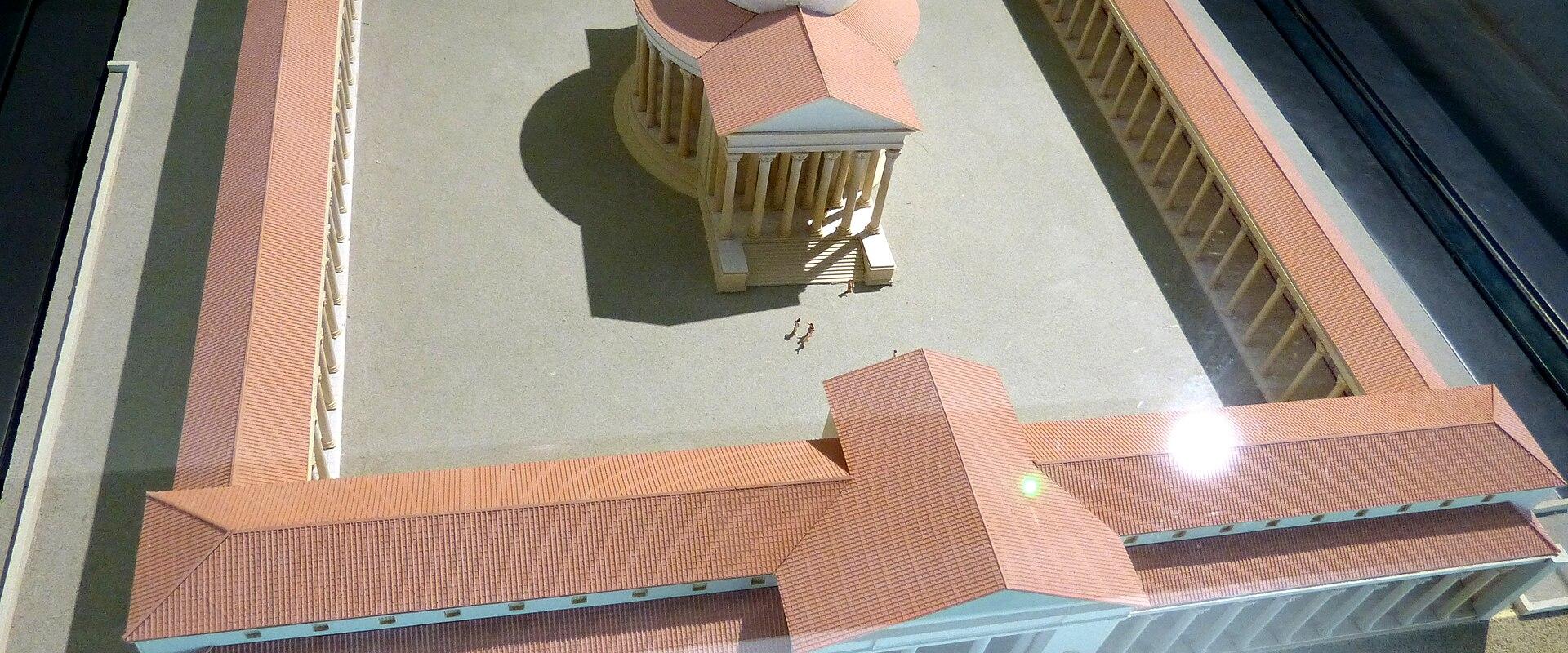
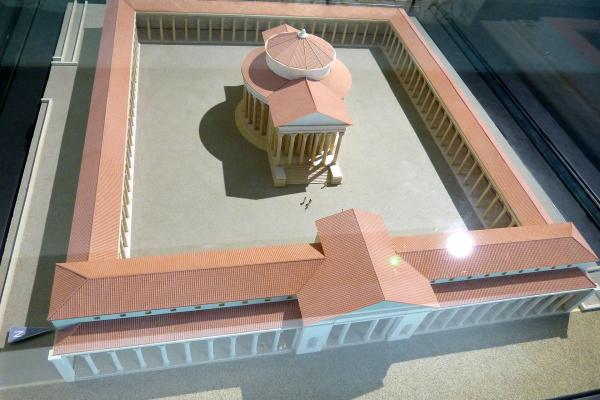
The museum's collection brings the town to life. It contains objects that were found in the city and its surroundings, among them jewellery, ceramics, glassware, bronze statuettes, tools and painted plaster from the walls of the houses, and the displays follow two themes, the city and public life, and the house and private life. Models and reconstructions help to explain how the buildings looked. The museum is accessible to visitors with disabilities. It is open daily in July and August, with shorter hours and a Monday closure in winter, and an entrance fee with reductions for young people and families, so check the schedule before you go. A visit takes about an hour and a half.
In the town, the Cathédrale Saint-Front, a large church with white domes inspired by Byzantine models, which is on the UNESCO list of the pilgrimage routes to Santiago de Compostela, and the medieval quarter of Puy-Saint-Front, with its Renaissance houses and narrow lanes, are the main sights. The Musée d'Art et d'Archéologie du Périgord is also nearby. The museum suits history lovers and architecture enthusiasts.
Categories
More photos coming soon
Nearby Attractions
Other places to visit in Perigueux
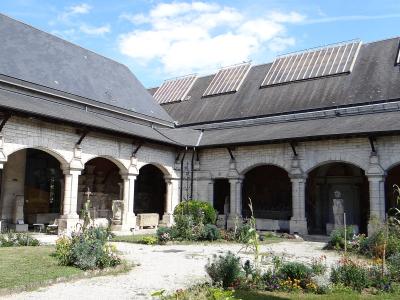
Musée du Périgord
Oldest Dordogne museum with France's 4th largest prehisto...
Historic Architecture · Museums & Culture
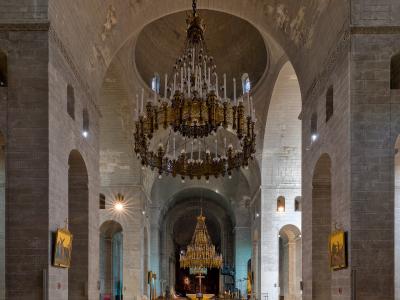
Cathédrale Saint-Front
UNESCO-listed Byzantine cathedral with a central dome
Churches · Heritage Trails
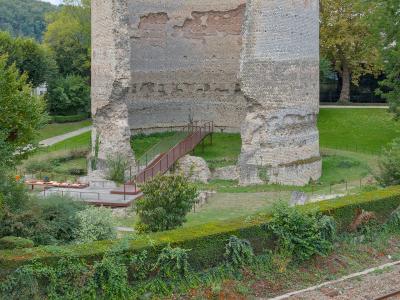
Parc de la Vésone
Gallo-Roman museum and temple tower in Périgueux
From €4 Historic Architecture · Museums & Culture
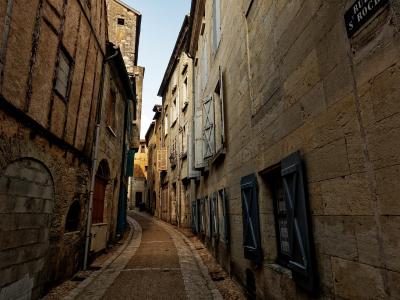
Rue des Halles
Historic market street in Périgueux city center
Urban Exploration
Questions people ask
Quick Facts
Best Time to Visit
Mid-June to mid-September offers warm weather and ideal conditions for outdoor activities and sightseeing.