


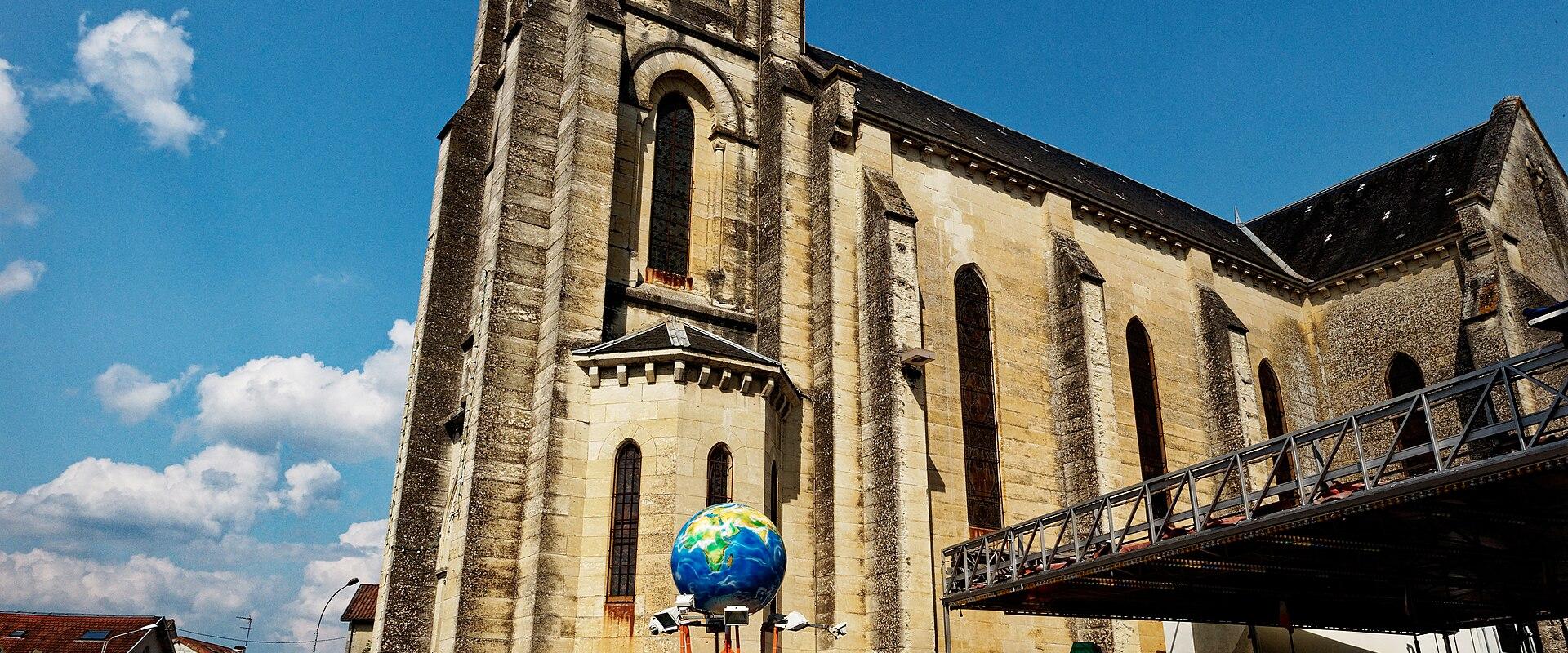
Perigueux
Roman capital of Périgord with Byzantine cathedral and Vesunna museum
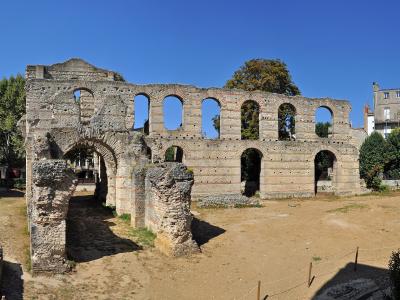
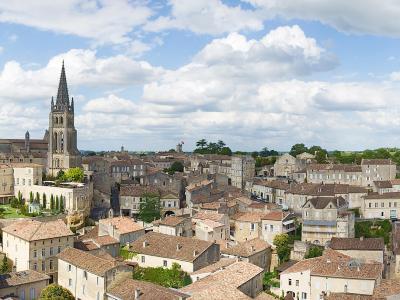
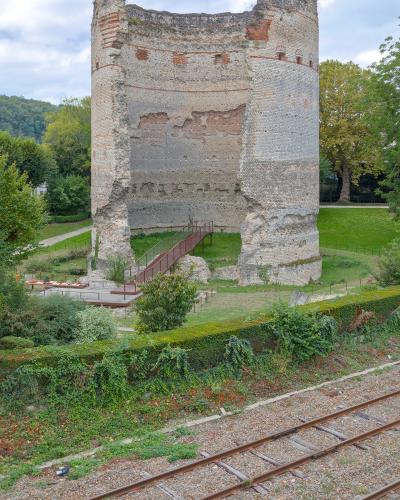
Périgueux, situated in the Dordogne department of southwestern France, is a city with a profound historical and architectural identity. Historically, it was founded as Vesunna by the Gallic tribe of the Petrocorii and later became a significant Roman city known as Divona. The city was an important center in the Roman province of Aquitania, with extensive public works including baths, forums, and an amphitheater. During the Middle Ages, Périgueux became a bishopric and a key stop on the Way of St. James to Santiago de Compostela. The city's architecture reflects this layered history, with Roman ruins coexisting with medieval and Renaissance buildings. The Cathedral of Saint-Front, a masterpiece of Byzantine architecture, dominates the skyline and is a UNESCO World Heritage site. The city also played a role in the Hundred Years' War and the French Wars of Religion, suffering damage but retaining much of its historic character.
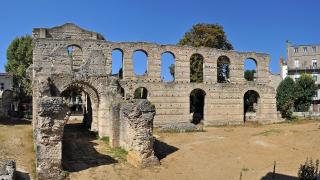
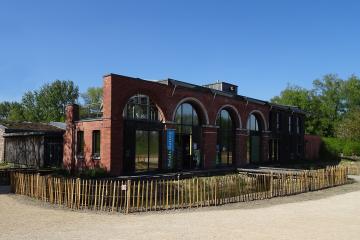
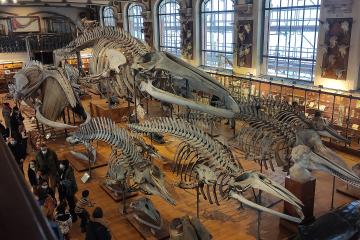
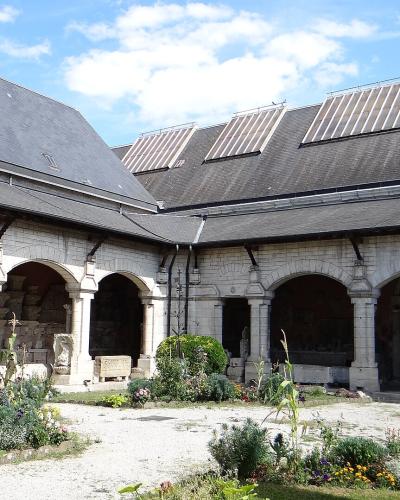
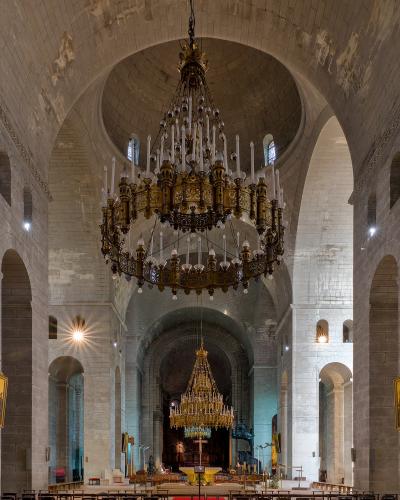
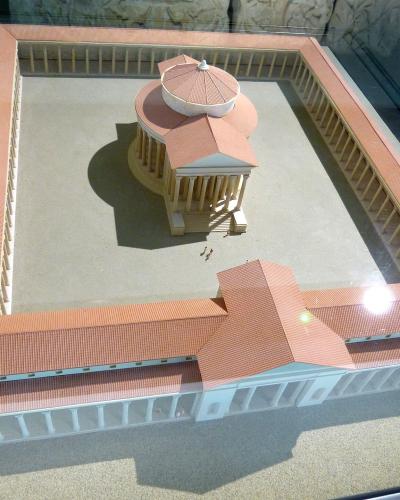
The main attractions in Périgueux reflect its Roman and religious heritage. The Vesunna Gallo-Roman Museum is built over the ruins of a Roman villa, offering insights into daily life in ancient Périgueux. The Cathedral of Saint-Front features a distinctive Greek cross plan with five domes, inspired by the Hagia Sophia in Constantinople. The Roman Amphitheater, or Arena Garden, is a well-preserved site where gladiatorial games were once held. The Périgord Museum of Archaeology and Art houses a collection of artifacts from the Paleolithic period to the Middle Ages, including prehistoric tools and sculptures. The old town features narrow streets lined with half-timbered houses and historic squares like Place de la Clautre. The Isle River offers scenic walks and opportunities for canoeing and kayaking.
Périgueux offers various activities for visitors interested in history, culture, and nature. The city is a starting point for exploring the Dordogne's prehistoric sites, such as Lascaux and Montignac. The surrounding countryside offers hiking and cycling trails, including the Voie Verte des Berges de l'Isle, a greenway along the river. The local cuisine features Périgord specialties, including foie gras, duck confit, walnuts, and truffles. The city hosts various festivals throughout the year, including the Périgueux Jazz Festival and the Fête de la Gastronomie. The nearby town of Sarlat-la-Canéda is a short drive away, known for its medieval market and historic center. The local markets offer fresh produce, cheeses, and other regional products.
Getting to Périgueux is convenient via train, with regular services from Bordeaux and other major cities in the region. The train station is located in the city center, making it easily accessible. For those traveling by car, Périgueux is accessible via the A89 motorway. The best time to visit Périgueux is from mid-June to mid-September, when the weather is warm and pleasant, ideal for exploring the outdoor attractions and walking tours. July and August are the warmest months, with average highs around 30°C, but also the busiest. Spring and autumn offer milder weather and fewer crowds, making them suitable for sightseeing and museum visits. Winter is cooler and quieter, offering a serene atmosphere for indoor museum visits. Périgueux combines historical depth, artistic richness, and natural beauty, making it a compelling destination for travelers seeking an authentic Périgord experience.
Best Time to Visit
Mid-June to mid-September offers warm weather and ideal conditions for outdoor activities and sightseeing.
Did you know?
Interesting, verified facts about Perigueux
Local Television and Literary Figures
Notable PersonThe city of Périgueux has produced notable cultural figures, including French television presenter Éléonore Thomas, writer Noël Sims, and pastor Antoine Pfeiffer.
Source: external sourcePlan Your Visit to Perigueux
Essential travel tips and information for your trip to Perigueux.
Suggested Itineraries
One Day in Perigueux
1 dayPerfect for a quick visit. See the main highlights and get a taste of local culture.
Extended Perigueux Experience
2-3 daysComprehensive exploration including nearby attractions and cultural experiences.
Travel Tips
Currency
EUR • Cards widely accepted
Language
French • English in tourist areas
WiFi
Free WiFi in cafes and hotels
Explore Perigueux by Interest
Discover attractions and experiences in Perigueux organized by your interests and travel preferences.


All attractions in Perigueux
Sorted by our recommendation score
Quick Facts
Book your stay
Frequently Asked Questions
More destinations in Aquitaine
Explore other amazing places in the Aquitaine region