






The Art of the Midday Pause
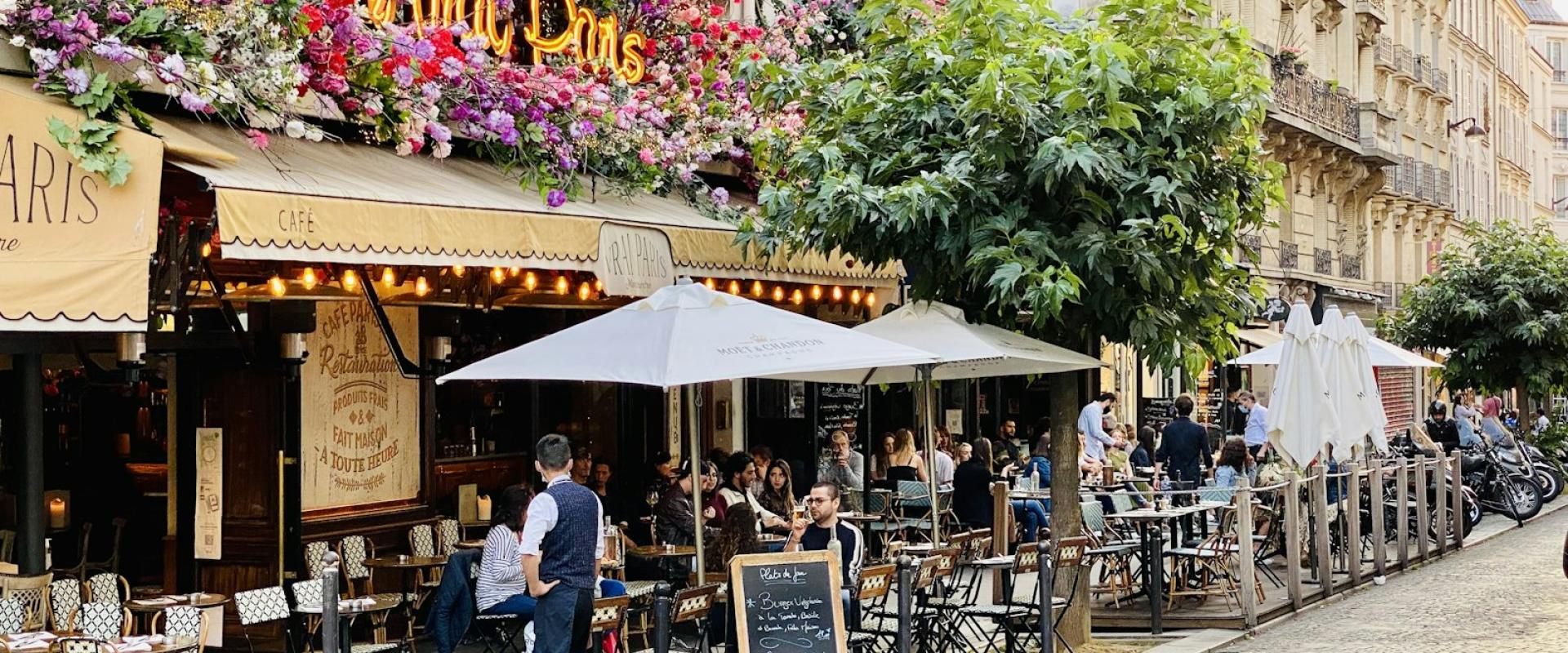
The French midday pause is often misunderstood as a mere break from labor, but in reality, it is a deliberate preservation of cultural rhythm. To truly experience this, you must navigate the geography of dining with intention. Major landmarks are financial traps; a basic two-course meal near the Eiffel Tower or the Louvre can easily cost €25–€30. Instead, walk just two blocks away. This minor detour leads to neighborhood bistros where the Menu du Jour typically ranges from €15 to €20, offering genuine value without sacrificing the integrity of the kitchen.
Here, local chefs demonstrate their savoir-faire through menus that shift with the morning’s harvest. You might encounter a rich coq au vin or a delicate fish preparation, paired with a modest house wine, all served in quiet, unpretentious rooms. This approach strips away the theatrical flair of tourist-centric venues, leaving only the essential pleasure of good food. It is a practice that grounds you in the local reality, turning a midday break into a moment of genuine connection rather than a transactional stop.
History and gastronomy merge in these unassuming spaces, where the focus remains on technique and ingredient integrity rather than spectacle. Taking time to eat slowly allows you to taste the difference between mass-produced fare and dishes prepared with deliberate care. It is a simple practice that honors the patrimoine of the region, proving that the most sacred rituals are often the most understated.
Whispers from the Marchés
Escape the stiff formality of sit-down restaurants by embracing the open-air market. This is where the soul of French cuisine is sourced, not just sold. Instead of relying on vague advice about "seasonal fruits," head straight to specific hubs like the Lyonnais halles. At Les Halles de Lyon Paul Bocuse, vendors such as the cheese monger will eagerly demonstrate how to spot a perfectly ripe melon or identify a wheel of Comté aged just long enough for nutty depth. This transforms grocery shopping from a transactional chore into a genuine cultural exchange.
Building rapport with these artisans unlocks more than fresh ingredients; it provides insider knowledge on preparation. Ask the baker for the day’s baguette tradition while the cheese vendor explains which wine pairs best with local Saint-Marcellin. These small interactions turn a simple picnic of crusty bread and creamy cheese into a respectful homage to regional agriculture. Quality always outweighs quantity here, and the direct connection to the producer ensures that every item on your plate tells a story.
The result is a dining experience that feels less like a budget compromise and more like an intimate discovery. You are not just eating; you are participating in a daily rhythm that has sustained these communities for generations. By prioritizing these direct connections, you allow the history of the region to speak through the flavors on your plate. The market is not merely a place to buy food; it is a living archive of local agriculture, where every exchange enriches the traveler’s understanding of the land.
The Sommelier’s Secret
Wine in France functions less as a status symbol and more as a steady companion to the meal. You do not need to break the bank to access this heritage. Order the vin de la maison or simply ask for a glass. This choice strips away pretense and connects you directly to the local vintner. By choosing the house pour, you support small producers while keeping your bill reasonable. The result is a genuine taste of regional savoir-faire, delivered without the intimidation of a formal wine list.
This method demystifies the wine cellar. You skip the confusing labels and focus on the liquid itself. The house pour often reflects the current season, showcasing what the vineyard produced recently. This approach feels authentic and aligns with the French philosophy of simplicity. You drink well and spend wisely, allowing the experience to remain grounded in everyday joy. It is a practical way to appreciate artisanal skill without the barrier of expertise.
Wine is not a luxury reserved for the elite; it is a daily ritual accessible to anyone willing to ask. Asking for un verre or the vin de la maison honors the bistro’s quiet dignity. It celebrates the idea that good taste does not require high prices. Embrace this simple pleasure, and you will find that the best memories of your trip are often poured in small, unpretentious glasses, shared over a meal that feels personal and authentic.
A Legacy on a Plate
The menu du jour is less about saving money and more about mastering the art of seasonal constraint. Imagine walking through the Marché d’Aligre in Paris at dawn. Watch the vendors unload crates of bruised but flavorful tomatoes, their skin wrinkled but their scent intense. Buy a bottle of unpretentious Côtes du Rhône from a local shop. That combination—fresh, imperfect produce and honest wine—turns a basic lunch into a tribute to French culinary precision.
This approach proves that gastronomy is not measured by price tags or Michelin stars. It relies entirely on respecting the ingredient’s natural state and honoring the techniques passed down through generations. When you prioritize quality over extravagance, you stop being a tourist and start participating in the daily rhythm of French life. The meal becomes a dialogue between the land and the table, a conversation that has been ongoing for centuries.
Those quiet moments, grounded in history and served on simple ceramic plates, stick with you long after the trip ends. You are not just eating; you are experiencing the authentic pulse of the country. This is how you truly live like a local, without the guidebook. The legacy of French dining is not in the grand halls of haute cuisine, but in these humble, deliberate acts of sustenance and respect.