


Crimson Canopies and Cozy Carriages
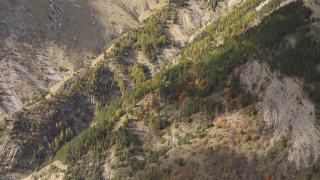
The moment you cross the threshold into Burgundy in late autumn, the air changes. It is no longer the heavy humidity of summer but a sharp, clear chill that demands a wool sweater and a sense of wonder. This is the season when the region sheds its tourist skin. The endless lines of summer visitors have retreated, leaving the routes départementales quiet enough to hear the crunch of gravel under tires. For families, this silence is a gift. It allows children to look out the window without the distraction of congestion, truly absorbing the landscape as it shifts from green to a fiery palette of ochre, crimson, and gold.
Packing requires a shift in strategy. While midday sun might linger, evenings drop rapidly, turning stone villages into cozy shelters. The key to navigating this season is flexibility. Treat your vehicle not as a transport machine, but as a mobile base camp. When a child spots a particularly vibrant vineyard or a rustic farmstand, stop. There are no rigid itineraries here, only the rhythm of the harvest. Before you depart, however, do your homework. Local wineries often host vendanges (harvest) events that are specific to the week, offering rare access to the crushing of Pinot Noir and Chardonnay grapes. These aren’t just tours; they are celebrations of community, where the air smells of fermenting juice and roasted chestnuts.
Winding Through the Vineyards of Gold
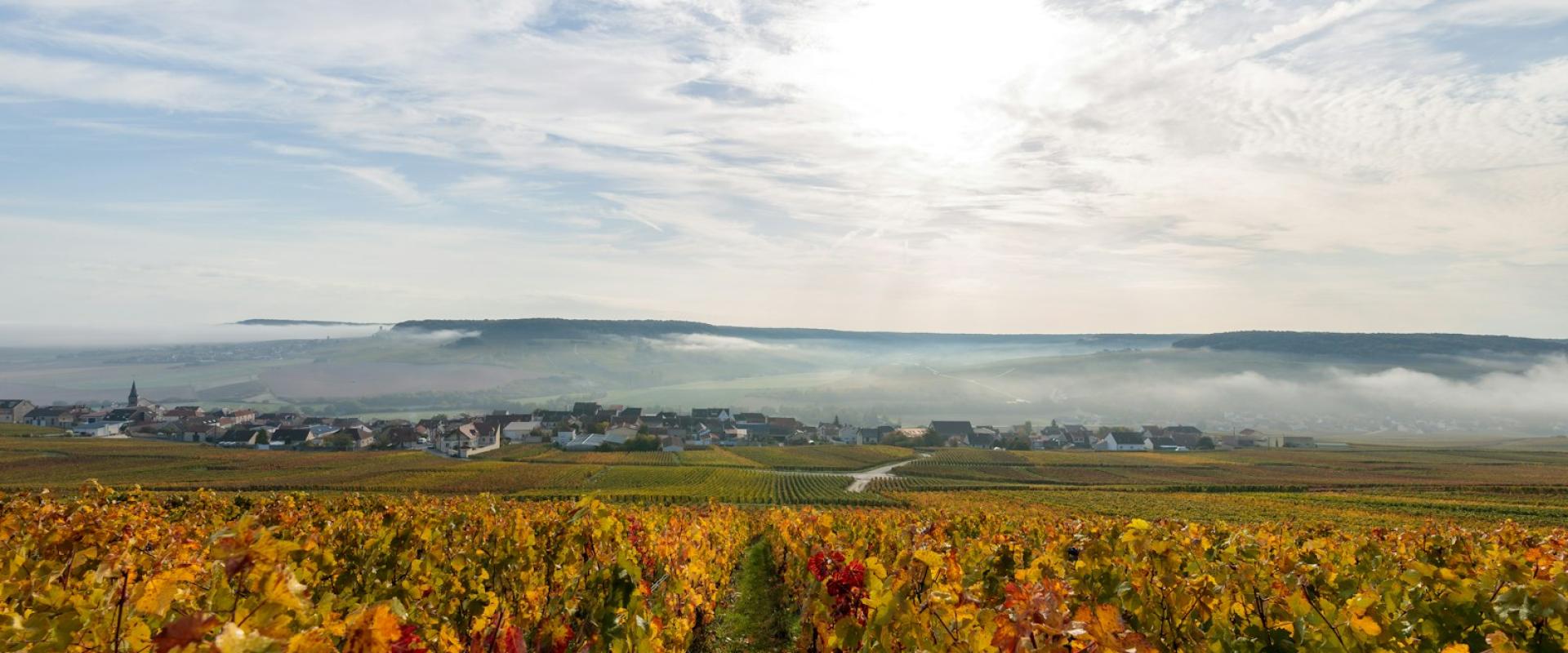
Driving through the Côte de Beaune in October feels like navigating a living painting. The hills around Puligny-Montrachet are draped in amber vines, creating a soft, golden haze that filters the sunlight. This scenery is best appreciated at a crawl. Instead of treating the drive as a means to an end, use it as an exploratory exercise. Pull over at designated lay-bys—never on the shoulder of a narrow country lane—to let the children stretch their legs. The physical release of energy is crucial for keeping little ones engaged for the next leg of the journey.
These stops offer more than just a chance to run; they offer context. Many family-friendly estates open their gates during harvest week, transforming into informal classrooms. Watching the juice stain fingers red is a sensory experience that textbooks cannot replicate. Children grasp the concept of seasons and labor when they see the tangible link between the earth and the bottle. It turns abstract geography into a hands-on lesson in agriculture.
Safety, however, must remain the anchor of this leisurely pace. The temptation to jump out quickly after a stop is real, but always double-check that car seats are securely latched before you resume driving. This small, habitual check ensures peace of mind, allowing you to fully relax into the moment. It is a minor logistical step that protects the major joy of shared discovery.
Harvest Hands and Hearty Feasts
September marks the turning of the tide in Burgundy. The vines, once lush and green, now bow under the weight of ripe fruit, their leaves turning a brilliant, translucent yellow. This is not merely a visual shift; it is the heartbeat of the region’s economy and culture. Local wineries shift their focus from long-term maturation to immediate celebration. Tours during this period often include the physical act of pressing grapes, allowing visitors to feel the texture of the harvest and understand the labor-intensive nature of winemaking.
Beyond the vineyards, the village squares come alive. Harvest festivals are not staged for tourists but are genuine community gatherings. You will find stalls piled high with pumpkins, apples, and pears, alongside roasting chestsnuts that scent the air with smoke and sweetness. These events are where locals share stories, preserving traditions that have defined the region for generations. For families, visiting nearby farms offers a break from the routine of sightseeing. Children can learn where their food comes from by helping with simple tasks, such as collecting eggs or sorting vegetables. These moments of connection with nature are often the most memorable parts of a family trip.
Dining in Burgundy during autumn is an exercise in terroir. Restaurants pivot their menus to reflect the season’s bounty. Wild mushrooms foraged from the forest floor, hearty root vegetables, and game meats become the stars of the plate. A meal here tastes different because it is grounded in the immediate surroundings. It is a flavor profile that tells the story of the land, offering a sensory experience that lingers long after the last bite.
Capturing the Golden Hour
The light in Burgundy during late autumn has a unique quality—it is soft, directional, and incredibly forgiving. This is the "golden hour" that photographers chase, but for families, it is simply the best time to be outside. The crisp chill makes stepping out of the car comfortable rather than uncomfortable. As you meander past stone hamlets, pause to let the children stretch. The stress of rushing disappears when you allow the day to unfold naturally.
When you do stop, seek out the edges of vineyards rather than the center. The contrast between the dark green of the remaining leaves and the bright yellow of the autumn foliage creates a natural frame for photos. However, remember to respect private property. The fields are working landscapes, not public parks. Stepping onto the vines can damage the crop and disrupt the workers. By staying on the paths and observing from a distance, you become a respectful guest rather than an intruder.
These mindful pauses are where the memories are made. They are not the grand monuments or famous landmarks, but the small, quiet moments that define the trip. The sound of leaves underfoot, the smell of woodsmoke from a distant chimney, the warmth of a shared meal. These details weave together into a narrative that you will share for years to come. Embrace the slow rhythm of the season, and let Burgundy reveal itself to you, one winding road at a time.