







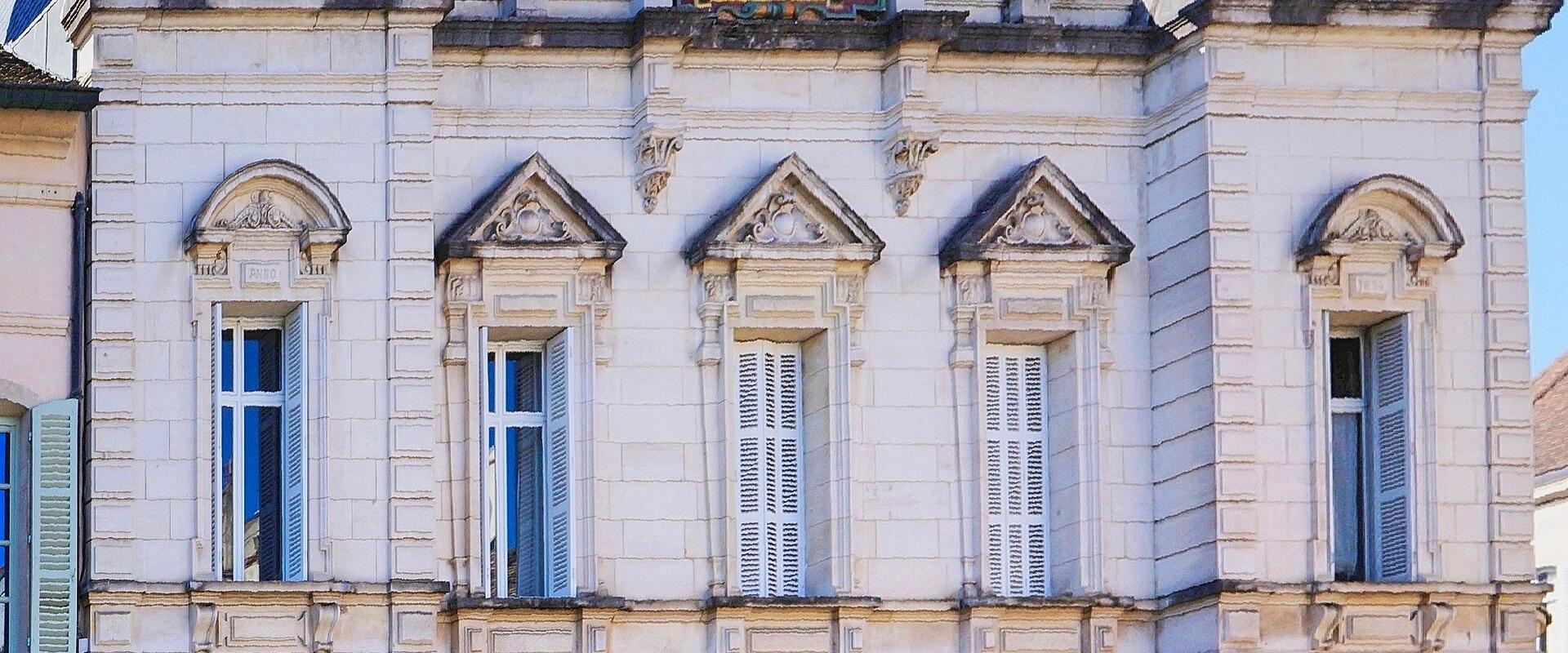
Beaune, situated in the Côte-d'Or department of eastern France, is a town of immense historical and cultural significance, widely regarded as the capital of Burgundy's wine region. Its history dates back to the Roman era, but it flourished during the Middle Ages under the Dukes of Burgundy, who made it a key administrative and commercial center. The town's most famous landmark is the Hôtel-Dieu (Hospices de Beaune), a former hospital and almshouse founded in 1443 by Nicolas Rolin, the Chancellor of Burgundy, and his wife, Guigone de Salins. The building is renowned for its striking architecture, which is late Gothic with Flemish influence, particularly its colorful tiled roof, which is a symbol of the town. Today, the Hôtel-Dieu houses a museum displaying religious art, tapestries and medical artifacts, including the Last Judgment altarpiece by Rogier van der Weyden, and it is also the site of the annual Burgundy Wine Auction, a major event in the wine calendar held on the third Sunday of November.
The old town of Beaune is a maze of narrow, winding streets lined with half-timbered houses, historic mansions and boutique shops. The Place Carnot is the central square, surrounded by cafes and restaurants, offering a lively atmosphere. The Basilica of Notre-Dame, located in the Place de l'Église, is a Romanesque and Gothic church with a distinctive bell tower and beautiful stained glass windows, and it holds a series of 15th-century tapestries. The town is also home to the Burgundy Wine Museum, which provides an in-depth look at the history and production of Burgundy wines, in the former residence of the Dukes, and the Museum of Fine Arts, which features works by local and international artists; both can be temporarily closed, so a check before the visit is wise. The Cave de l'Abbaye is one of many cellars and shops offering tastings. Beaune's strategic location makes it an ideal base for exploring the surrounding vineyards, including the Côte de Nuits and Côte de Beaune, which are famous for producing some of the world's finest Pinot Noir and Chardonnay wines, and the Clos de Vougeot, a Cistercian wine estate and castle, lies north along the Route des Grands Crus.
Activities in Beaune revolve around wine tasting, culinary experiences and historical exploration. Visitors can take guided tours of local wineries and cellars, learning about the winemaking process and tasting a variety of Burgundy wines. The town's markets, particularly the Saturday market, offer fresh produce, local cheeses and other regional specialties, and mustard is made in town, adding a Burgundian touch to the table. The nearby Château de Savigny-Lès-Beaune and Château de la Rochepot offer additional opportunities for wine tasting and historical exploration. For those interested in nature, the surrounding countryside provides scenic walking and cycling routes through vineyards and forests, including the Voie des Vignes greenway and vineyard walks that start at the edge of town. The town also hosts various festivals and events throughout the year, including the Beaune Wine Festival, an international baroque opera festival in July and the Christmas Market, which attract visitors from across Europe.
Getting to Beaune is convenient via train, with regular services from Dijon and other major French cities. The train station is located close to the town center, making it easily accessible. For those traveling by car, Beaune is connected by the A6 motorway. The best time to visit is from May to June and September to October, when the weather is mild and pleasant, ideal for exploring the vineyards and historic sites. July and August are warm and busy, suitable for those who enjoy summer activities but may encounter larger crowds. Spring and autumn offer milder weather and fewer crowds, making them suitable for sightseeing and wine tasting. Winter is cooler and quieter, offering a serene atmosphere for indoor museum visits.
Best time to visit
May to June and September to October offer mild weather and ideal conditions for vineyard exploration.
What to see in Beaune
Our picks first.
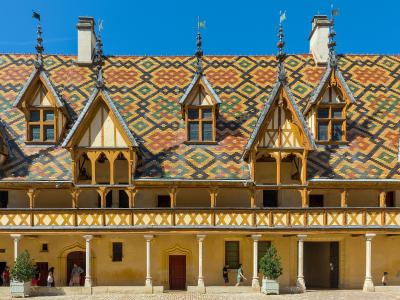
Hospices de Beaune (Hôtel-Dieu)
15th-century Gothic hospital and wine auction site
Guided Experiences · Historic Architecture
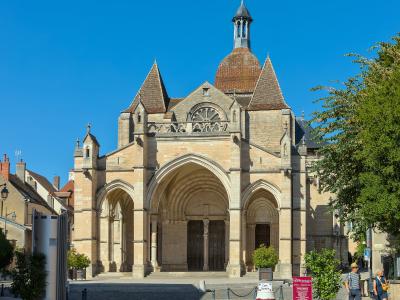
Église Notre-Dame de Beaune
12th-century basilica with rare 15th-century tapestries
Free Historic Architecture · Churches
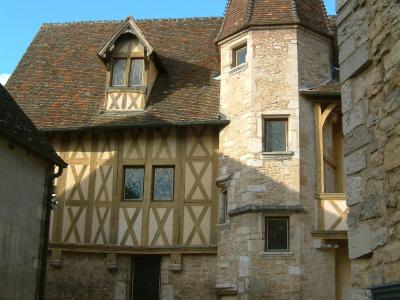
Musée des Vins de Bourgogne
Former ducal hotel showcasing Burgundy wine history
Food & Wine · Historic Architecture
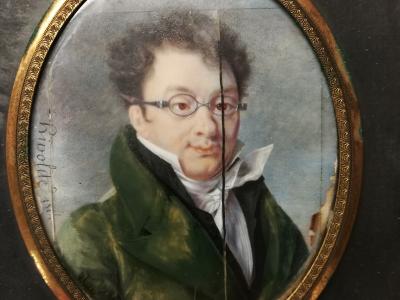
Musée des Beaux-Arts de Beaune
Housed in the buildings of a former convent
From €4 Museums & Culture
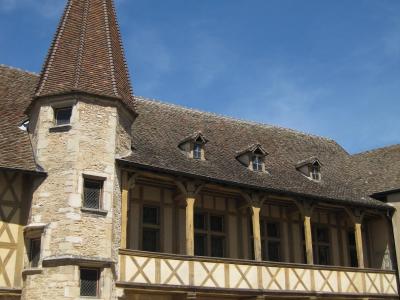
Musée du Vin de Bourgogne
Wine museum in former ducal palace
Food & Wine · Historic Architecture
Beaune by interest
The same sights, grouped by what you came for.
Did you know?
Checked facts about Beaune, each with its source.
-
Food & Drink
Beaune Has a Wine Tradition
Beaune serves as a gateway to the region's famous vineyards, offering visitors a deep dive into French wine culture, gastronomy, and history.
Source: Beaune: A Deep Dive into History, Wine, and Heritage
Planning a visit to Beaune
Itineraries that include Beaune
Good to know
- Currency
- EUR
- Language
- French
Quick Facts
Book your stay
Questions people ask
More places in Burgundy
Burgundy
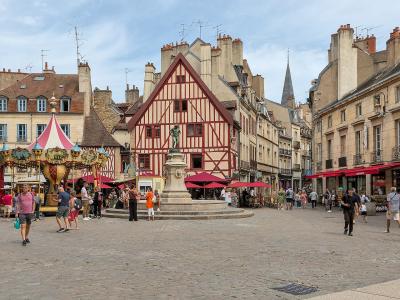
Dijon
Historic Burgundy capital known for ducal palace and mustard
Burgundy
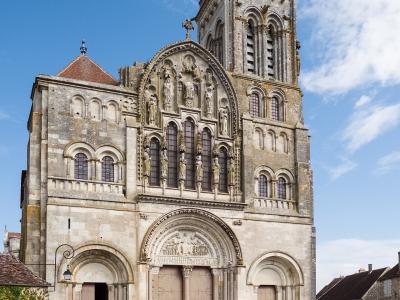
Vezelay
UNESCO hilltop village with Romanesque basilica in Burgundy
Burgundy
Tournus
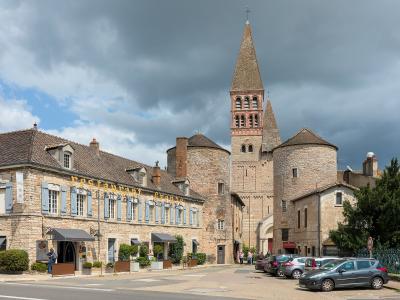
Romanesque abbey town on the Saône River in Burgundy
Burgundy
Burgundy
Historic French region renowned for wine, castles, and cuisine