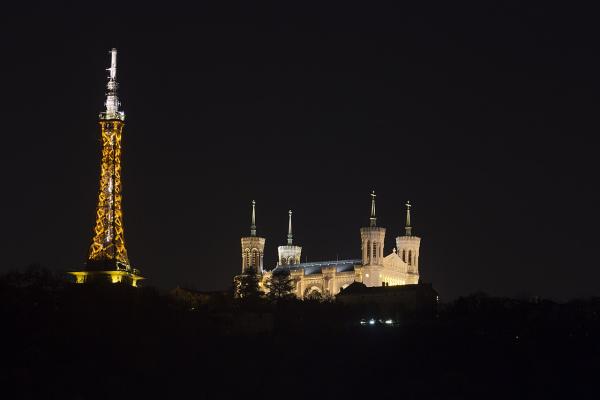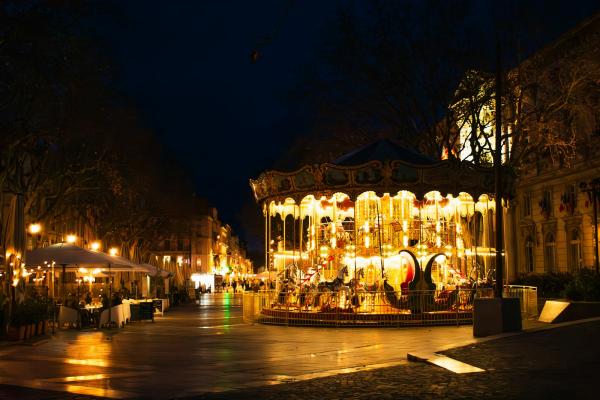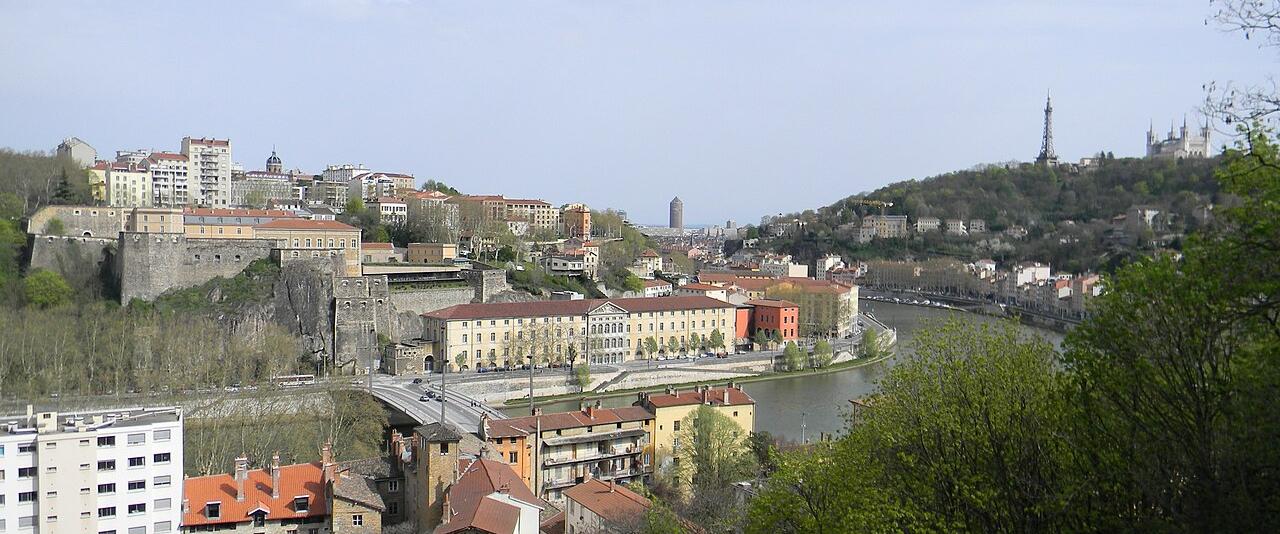
Yes, Lyon is generally safe for tourists, by day and at night in the central districts, and for women travelling alone; like any big French city, its main problem for visitors is theft rather than violence. Pickpockets work the crowds on the Presqu'île shopping streets, in Vieux Lyon, at Part-Dieu station and on the metro, and the one central area that locals advise visitors to approach with more care after dark is La Guillotière, around Place Gabriel-Péri. In an emergency, dial 112 (all emergencies), 17 (police) or 15 (medical).
This guide covers where problems happen, how to get around safely at night, the Fête des Lumières crowds and what to do if something is stolen. It quotes no crime statistics, because none are published that measure risk for visitors to Lyon; the rules and numbers below come from the UK Foreign Office's France travel advice and the French government's own service pages.
Quick facts (checked October 2026)
- Emergency numbers: 112 (European number, any phone), 17 (police), 15 (Samu, medical), 18 (fire brigade), 114 (by text, for people who cannot speak on the phone).
- Reporting a safety problem on public transport: 3117, or text 31177.
- Main risk: pickpocketing and phone theft in crowds, stations and on public transport.
- Reporting a theft: at a police station, or online through the Interior Ministry's plainte en ligne, which foreign visitors can use.
Is Lyon safe for tourists?
For the great majority of visitors, yes. Lyon is France's third-largest city, and most of what a visitor does there, the old town, the Presqu'île, Fourvière hill, the riverbanks, the museums and the food, takes place in busy, well-used districts. The UK government's France advice asks travellers to "take sensible precautions against street crime and car crime" and warns that pickpockets often work in groups, one distracting you while another goes into your bag. That is the pattern in Lyon too.
The everyday precautions are the ones that work everywhere in France:
- Carry your bag across your body and closed, and keep your phone in a front pocket or in your hand, not on a café table.
- Split your cards and cash, and leave your passport in the hotel safe, carrying a copy; you must be able to prove your identity if police ask.
- Be wary of anyone who stops you with a petition, a request for directions with a map spread over your hands, or an offer to help at a ticket machine.
 Rue Saint-Jean, the main street of Vieux Lyon, leading to the cathedral. Image: Gonedelyon, CC BY-SA 3.0, via Wikimedia Commons.
The Presqu'île: Bellecour, République and the shopping streets
The Presqu'île, the peninsula between the Rhône and the Saône, is Lyon's centre: Place Bellecour, the pedestrian Rue de la République and Rue Victor-Hugo, Place des Terreaux and the Opéra. By day it is crowded with shoppers and the most common problem is pickpocketing and bag theft in shops, on café terraces and around the metro entrances at Bellecour, Cordeliers and Hôtel de Ville.
At night the Presqu'île stays busy around the bars and restaurants between Terreaux and the Opéra and along the Saône quays. The large squares are well lit and open. Late at night, after the bars close, the usual city problems appear: drunk groups, the odd argument, people asking for money. Walk on the main streets and give groups a wide berth.
 Place Bellecour, the large open square at the heart of the Presqu'île. Image: Touam (Hervé Agnoux), CC BY-SA 4.0, via Wikimedia Commons.
Vieux Lyon at night
Vieux Lyon, the Renaissance quarter at the foot of Fourvière, is one of the most visited parts of the city, and the narrow Rue Saint-Jean and Rue du Bœuf fill with diners in the evening. It is safe to walk at night, but the crowds in the lanes and around the restaurant terraces are exactly where pickpockets work, and the quarter's covered passages, the traboules, are dark and narrow. Explore the traboules during the day, when many are open to visitors, rather than late at night.
The steep paths and stairs up to Fourvière and the parks on the hillside are best left to daylight. If you want the night view from the basilica terrace, take the funicular from Vieux Lyon station rather than walking up through empty gardens.
 The church of Saint-Paul in Vieux Lyon at night. Image: Jbureau, CC BY-SA 4.0, via Wikimedia Commons.
Part-Dieu station and the metro
Part-Dieu is Lyon's main railway station and a huge, busy transport hub, with the metro, trams, buses and the Rhônexpress tram to Lyon–Saint-Exupéry airport. As at any big station, keep your luggage in sight and your phone away while you study the departure boards, and be cautious of unofficial "helpers" at ticket machines and taxi touts. Use the official taxi rank.
Lyon's metro has four lines (A, B, C and D) and is the easiest way around the city. It is safe and well used, but crowded trains at rush hour and on event nights are a classic setting for pickpockets: stand with your bag in front of you and keep your phone in your pocket when the doors open, which is the moment thieves choose because they can step off. Check last-train times on the TCL website or app before a late night out, and plan a taxi or ride-hail car home if you will miss it.
The UK advice on drinks spiking applies to Lyon's bars and clubs as to the rest of France: buy your own drinks and keep them in sight.
 Cordeliers station on metro line A, in the middle of the Presqu'île. Image: Chabe01, CC BY-SA 4.0, via Wikimedia Commons.
La Guillotière: should you avoid it at night?
La Guillotière, just across the Rhône from the Presqu'île in the 7th arrondissement, is one of Lyon's most diverse and lively districts, full of food shops, cheap restaurants and bars, and plenty of students live there. By day it is a normal city neighbourhood. Around Place Gabriel-Péri (still called "Place du Pont" locally), however, the local press has reported for years on street drug dealing, illegal street trading and occasional violence, and the Rhône prefecture created a police unit dedicated to the Guillotière and Part-Dieu area in 2022.
That does not make the district off-limits. It does mean that late at night it is sensible to pass through Place Gabriel-Péri and the streets immediately around it quickly, on the main roads, rather than linger, and to keep phones and bags out of reach. If your hotel is in the area, check a map before arriving after dark so you are not wandering with luggage.
The Rhône riverbanks
The landscaped riverbanks along the Rhône, the Berges du Rhône, are one of the best places in the city in summer, with joggers by day and crowds on the moored bar-barges in the evening. The busy stretches are fine at night, but the quieter, unlit sections further from the bars are best avoided alone late at night.
 The landscaped Berges du Rhône, popular with walkers and runners by day. Image: Blueberry-026, CC BY-SA 4.0, via Wikimedia Commons.
Is Lyon safe for solo female travellers?
Yes, with the precautions you would take in any large French city. The main points: keep your drink in sight in bars, stay on lit and busy streets at night, keep your phone charged, and take a taxi or ride-hail car home from late nights rather than walking long distances alone. Street harassment, unwanted comments or being followed, does happen, and walking into a busy bar, shop or hotel lobby is usually the quickest way to end it. France's national helpline for women facing violence is 3919 (support and advice, not an emergency line).
Our solo female traveller's guide to safe nightlife in Bordeaux goes into more detail for another French city, and the advice carries over well.
Fête des Lumières: crowds and safety
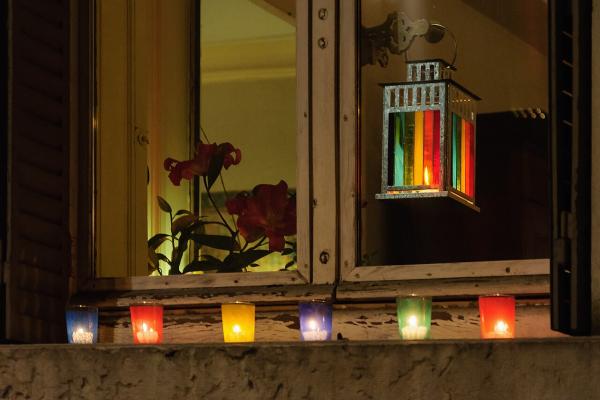
Lyon's Festival of Lights runs from Saturday 5 to Tuesday 8 December 2026, according to the official festival website, and draws millions of visitors over four evenings. The real risk is crowd crush and theft, not crime in general:
- Carry as little as possible: one card, a little cash and your phone in a zipped inner pocket.
- Agree a meeting point with your group in case you are separated, and keep children close.
- Expect metro stations near the centre to be packed or to have restrictions; walking is often faster. Check the official festival and TCL websites for the 2026 transport and access arrangements.
- If a street is too full, do not push forward; turn back and find another route.
The UK advice notes that terrorists are very likely to try to carry out attacks in France and that crowded events are possible targets. Follow any instructions from security staff and police.
 A packed metro station on the evening of 8 December during the Fête des Lumières. Image: TwoWings, Public domain, via Wikimedia Commons.
What to do if you are robbed in Lyon
- If you are in danger, or the thief is still nearby, call 17 or 112.
- Block your cards and phone through your bank's and operator's apps.
- Report the theft. Go to a police station (commissariat), or use the online complaint service, plainte en ligne, on the Interior Ministry's masecurite.interieur.gouv.fr site. It is free, covers property offences such as theft where the culprit is unknown, and states that foreign visitors who are victims of theft in France can use it. An officer may contact you to complete your statement, and the report is sent to your online account. Older guides mention a "pré-plainte en ligne"; the current service is the plainte en ligne. Keep the report for your insurer.
- Lost passport: contact your embassy or consulate for an emergency travel document.
If you were threatened or hurt, or you know who took your belongings, report it in person.
 A train at Lyon Part-Dieu, the city's main station and transport hub. Image: Antoine Boudon, CC BY-SA 4.0, via Wikimedia Commons.
The short version
Lyon is a safe city to visit with ordinary big-city care. Watch your bag and phone in crowds on the Presqu'île, in Vieux Lyon, at Part-Dieu and on the metro; pass through Place Gabriel-Péri rather than linger there late at night; enjoy the riverbanks where the crowds are; and treat the Fête des Lumières as a crowd event first. Save 112 and 17 in your phone, and you are well prepared.