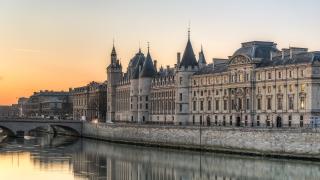
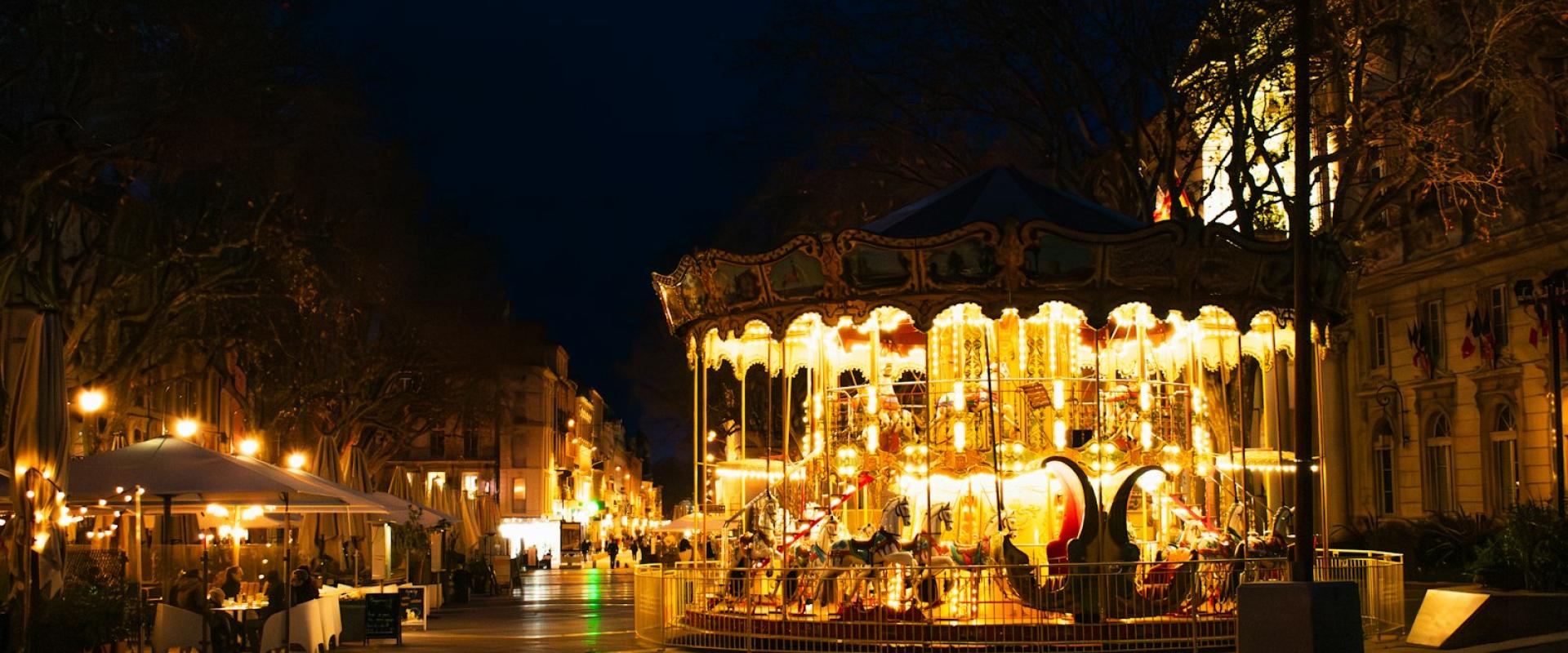
The shift from autumn to winter in Limoges is marked by a palpable change in atmosphere. From late November through Christmas Eve, the city pivots toward festivity, with Place du Château and the adjacent Cathedral square serving as the energetic epicenter. To truly appreciate this transformation, timing is everything. Arriving between 10:00 AM and noon allows you to bypass the midday surge of tourists while securing unobstructed views near the craft vendors. The historic architecture here provides a striking canvas; viewing the winter illuminations from these elevated positions reveals how the stone facades reflect the seasonal lights.
However, the beauty of the old town demands respect for its physical environment. The stone pavements, charming in daylight, can become treacherous once damp or icy. Waterproof boots are not merely a suggestion; they are a necessity for navigating the slick paths safely. Similarly, layering up is critical. The stone alleys retain cold, creating microclimates that feel significantly chillier than the surrounding air. By preparing for both the visual spectacle and the physical reality of the terrain, you ensure that your focus remains on the experience rather than discomfort.
Beyond the immediate holiday cheer, this area offers a profound connection to the city’s renowned porcelain heritage. Watching artisans work provides a tangible link to centuries of craftsmanship. This context transforms a simple market visit into a deeper cultural exploration, grounding the festive atmosphere in historical significance.
Unearthing Artisan Treasures and Ceramic Heritage
Limoges sheds its usual quietude to become a vibrant showcase of its most famous export. This year marks the 29th iteration of the artisan markets, drawing collectors and enthusiasts from across the globe. The stalls are not merely retail spaces but active workshops where makers demonstrate techniques in real time. Here, you gain a rare glimpse into the alchemy of the kiln, observing how raw clay transforms into translucent porcelain.
Engaging directly with these potters reveals the depth of their artistry. Inquire about the specific local clay sources or the traditional cobalt blue pigments that have defined this region’s aesthetic for centuries. Such conversations do more than entertain; they forge a meaningful connection with local heritage. This interaction turns a potential purchase into a story you can share long after the trip ends.
Financial prudence is advised, as hand-painted items command premium prices. Set a firm budget before you begin browsing. Focus on acquiring unique, signed pieces rather than mass-produced souvenirs. A single, exquisite bowl, with its intricate hand-painted details, tells a richer story than a dozen generic mugs. By prioritizing quality over quantity, you honor the region’s reputation for excellence.
While browsing, keep an eye out for the new sound and light installation. It illuminates the historic architecture, adding a magical layer to your shopping experience. This visual spectacle complements the tactile beauty of the ceramics, creating a memorable sensory journey. The translucent quality of the finest china, evident even in dim light, serves as a testament to an enduring legacy. Choose carefully, and you will bring home a tangible piece of history.
Savoring the Seasonal Gastronomy
Navigating the festive crowds becomes effortless when you anchor your experience in local food culture. Start your evening with a warm crêpe, a staple of the French winter. Choose between rich local caramel or smooth chocolate for a sweet, comforting treat. These pastries pair exceptionally well with a cup of spiced mulled wine, though a thick hot chocolate is equally effective at combating the winter chill.
As you sample regional cheeses and charcuterie, observe the orderly queues. This patience reflects deep-seated social norms, ensuring a smooth flow of customers. While enjoying these delicacies, remember to stay hydrated between alcoholic beverages. This simple practice keeps your energy levels high, allowing you to explore the artisan stalls with enthusiasm rather than fatigue. Prioritizing local culinary traditions not only satisfies the palate but also immerses you in the rhythm of Limoges during the holiday season.
Immersing in Light Installations and Evening Magic
As dusk settles, the city center undergoes a dramatic transformation. Vibrant light installations replace the day’s quiet streets with a festive hub of color and motion. The 29th edition introduces a new synchronized sound and light show that elevates the atmosphere beyond typical holiday decor. Live music echoes through the square, drawing locals and visitors into communal gatherings. This blend of audio and visual elements creates an experience that feels both modern and deeply rooted in tradition.
To capture these glowing scenes, bring a camera with strong low-light capabilities. The interplay of shadow and light on the historic buildings offers unique photographic opportunities. Plan for at least two hours of evening viewing. This duration allows you to fully appreciate the intricate details of the projections and the ambient warmth of the crowds. The communal energy helps counteract the winter chill, making the outdoor exploration comfortable and inviting.
Your Final Checklist for a Seamless Visit
The 29th edition of Noël à Limoges runs from late November through December, so lock in your dates early. While card readers are becoming more common, cash remains king at many smaller pottery stalls. Bring sturdy reusable bags, as the local porcelain is heavy and worth protecting from damage. Download the official market app before you arrive; it provides real-time schedule updates and highlights the location of the new sound and light show, which you should plan to see early in your trip.
Prepare for the winter chill by layering up, but remember that heated pavilions offer warm respites. Keep your phone charged, as you will likely be photographing intricate hand-painted plates and glowing lanterns throughout the day. A good pair of insulated boots will keep your feet dry on the cobblestones, allowing you to focus entirely on the craftsmanship and the magic of the season rather than the cold. By planning ahead, you ensure that your visit resonates long after you leave, capturing the true essence of Limoges’ enduring legacy.