







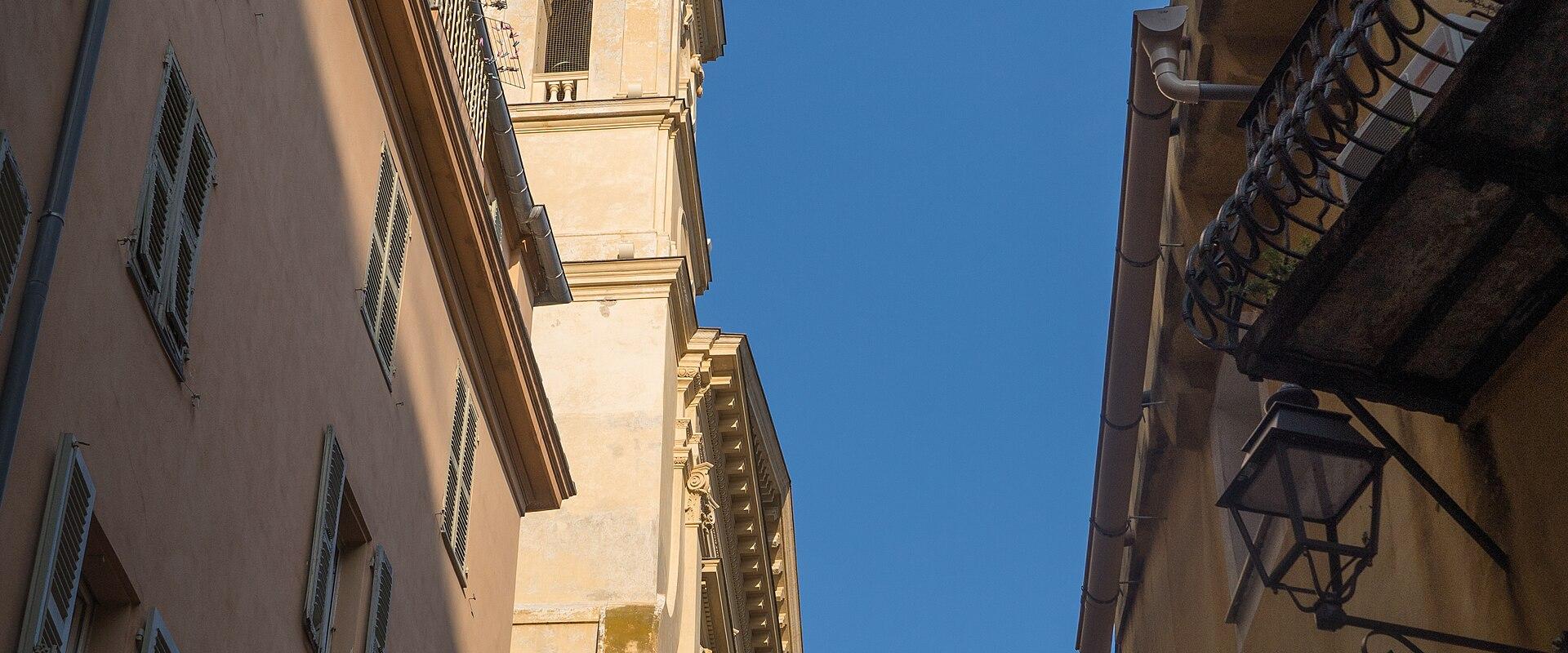
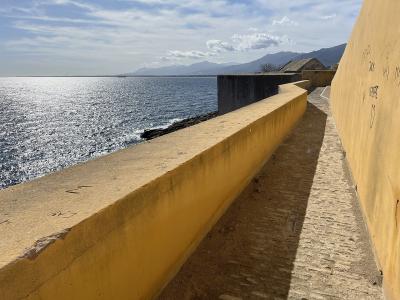
Bastia, located on the eastern coast of Corsica in the Haute-Corse department, is the island's second-largest city and a major port. Historically, Bastia was the capital of Corsica under Genoese rule from the 16th to the 18th century, a period that left an indelible mark on its architecture and culture. The city is divided into two distinct parts: the Terra Nova (New Town), which is the citadel on the heights, and the Terra Vecchia (Old Town) around the port at sea level. This vertical layout creates a unique urban landscape, with narrow, winding streets connecting the port to the historic upper town. The Genoese influence is evident in the stone buildings, narrow alleys and the imposing Citadel, which offers panoramic views of the Tyrrhenian Sea and the surrounding mountains.
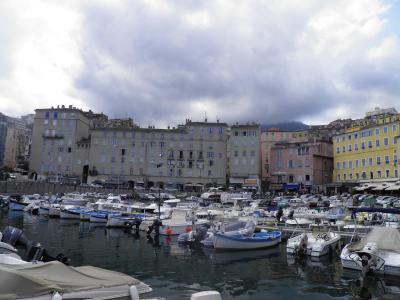
The main attractions in Bastia revolve around its rich history and maritime setting. The Citadel, or La Cittadella, is the most iconic landmark, featuring ramparts, towers and the Cathedral of Sainte-Marie, with the Palace of the Governors beside it; the Baroque church of Saint-Jean-Baptiste overlooks the old port. Walking through the Citadel provides a glimpse into the city's defensive past and offers vistas of the sea. Below, the old port, known as U Vechju Portu or the Vieux Port, is a bustling hub of activity, filled with fishing boats, yachts and waterfront restaurants, and the Port de Plaisance lies nearby. The Porticciu area, adjacent to the port, is a lively square where locals and visitors gather to enjoy the atmosphere. The Terra Vecchia is a maze of colorful houses and narrow streets, leading to the Place Saint-Nicolas, a central square surrounded by cafes and shops, and the Place Saint-Réparata is a smaller square in the upper town. The city also boasts several museums, including the Museum of Corsica, which showcases the island's history and traditions, in the Palace of the Governors.
Bastia is an excellent base for exploring northern Corsica. Day trips to Cap Corse, the northernmost peninsula, are popular, offering scenic drives, hiking trails and visits to charming villages like Nonza and Erbalunga; Nonza is known for its black pebble beach. Farther afield, Piana and the Calanques de Piana, a UNESCO World Heritage site, lie on the west coast, near Porto, and are reached from there by boat tours, providing views of red rock formations and turquoise waters. The Lido de la Marana, a long sandy beach on the southern side of the city, between the sea and a lagoon, is ideal for swimming and sunbathing. The city also offers various cultural activities, including art galleries, boutiques and restaurants serving Corsican and Mediterranean cuisine. Festivals and events throughout the year add to the vibrant atmosphere, attracting visitors from across Europe.
Getting to Bastia is convenient via air and sea. Bastia-Poretta Airport is located about 20 kilometers south of the city, with regular flights from Paris, Nice and other European cities. Ferries connect Bastia to Marseille, Toulon and other Italian ports, providing an alternative for those traveling by car, and the narrow-gauge railway links the city with Corte and Ajaccio. Within the city, the compact size of the old town makes it easy to explore on foot, while buses and taxis are available for longer distances. The best time to visit is from May to June and September to October, when the weather is warm and pleasant, and the crowds are smaller. July and August are hot and busy, ideal for beach activities but less suitable for sightseeing due to the heat and crowds. Spring and autumn offer mild temperatures, good for hiking and exploring the city's historic sites.
Best time to visit
May to June and September to October offer warm weather and fewer crowds for optimal exploration.
What to see in Bastia
Our picks first.
Bastia by interest
The same sights, grouped by what you came for.
Did you know?
Checked facts about Bastia, each with its source.
-
History
Italian Occupation in WWII
Bastia was the first city on the island of Corsica to be occupied by the Italian army following the success of Operation Torch.
Source: fr.wikipedia.org
Planning a visit to Bastia
Good to know
- Currency
- EUR
- Language
- French
Quick Facts
Book your stay
Questions people ask
More places in Corsica
Corsica
Corsica
Mediterranean island with dramatic mountains and pristine beaches
Corsica
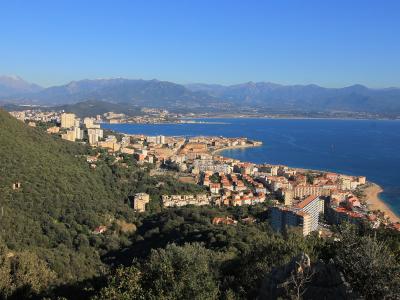
Ajaccio
Birthplace of Napoleon on Corsica's scenic western coast
Corsica
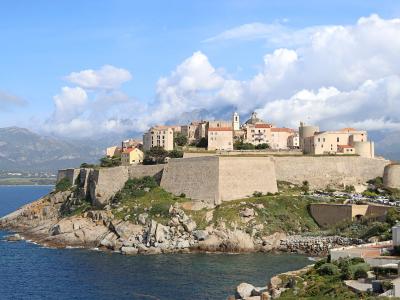
Calvi
Historic Genoese citadel and beach resort on northwest Corsica
Corsica
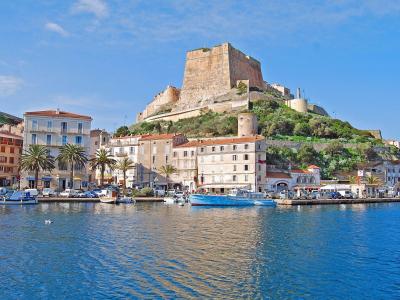
Bonifacio
Limestone cliff fortress town at the southern tip of Corsica