


Corsica
Mediterranean island with dramatic mountains and pristine beaches
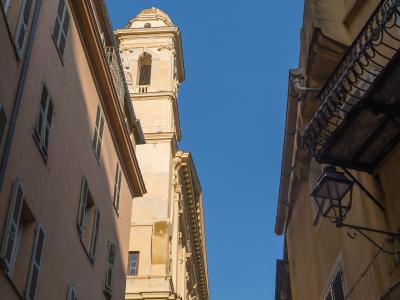
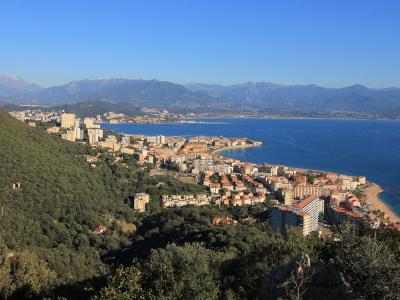
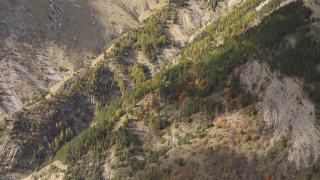
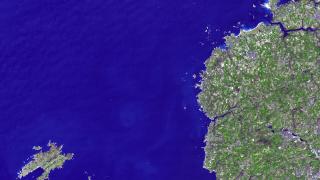
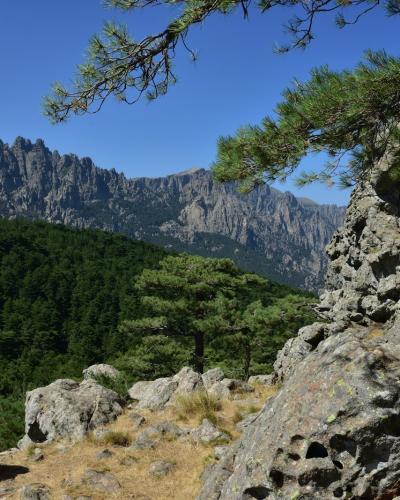
Corsica, located in the Mediterranean Sea southeast of mainland France, is a territorial collectivity with a distinct cultural identity. Historically, the island was ruled by the Republic of Genoa for centuries before becoming part of France in 1769. It is the birthplace of Napoleon Bonaparte, and his legacy is evident in Ajaccio, the capital, where his birthplace is now a museum. The island's history also includes periods of independence and strong nationalist movements, contributing to a unique Corsican identity that blends French administrative structures with local traditions, language, and cuisine. The landscape is dominated by the Monte Cinto massif, with peaks exceeding 2,700 meters, and a rugged coastline featuring coves, cliffs, and sandy beaches.
The main attractions in Corsica reflect its natural beauty and historical heritage. The Scandola Nature Reserve, a UNESCO World Heritage site, is renowned for its dramatic sea stacks and marine biodiversity, accessible by boat. Bonifacio, a town perched on limestone cliffs, offers stunning views and a historic citadel. The Calanques de Piana, another UNESCO site, feature striking red and white rock formations carved by the sea. Ajaccio, the capital, offers museums dedicated to Napoleon, a lively port, and beautiful beaches. Bastia, the former capital, has a vibrant old town and citadel. The Restonica Valley near Corte is a popular hiking destination with glacial lakes and waterfalls. The GR20, one of Europe's most challenging long-distance hiking trails, traverses the island's interior.
Corsica offers a wide range of activities for visitors. Hiking is a primary activity, with trails ranging from easy coastal walks to the demanding GR20. Water sports such as snorkeling, diving, and sailing are popular, particularly around the Lavezzi Islands and the Gulf of Porto. Beaches like Palombaggia and Santa Giulia are famous for their clear waters and fine sand. Cultural visits include exploring Genoese towers scattered along the coast, which served as defense against pirate attacks. The local cuisine features unique products like brocciu cheese, chestnut flour, and wild boar. Wine tasting is also available, with Corsican wines gaining international recognition.
Getting to Corsica is possible by air, with airports in Ajaccio, Bastia, and Figari offering flights from mainland France and other European cities. Ferries operate from Marseille, Nice, and Italy, providing a scenic alternative. Once on the island, a car is essential for exploring the diverse regions. The best time to visit Corsica is from May to June and September to October, when the weather is warm and pleasant, ideal for both beach activities and hiking. July and August are the hottest months and the busiest, with higher prices and crowds. Spring and autumn offer milder temperatures and fewer tourists, making them suitable for outdoor activities. Winter is mild but some services may be limited. Corsica combines natural beauty, historical depth, and cultural richness, making it a compelling destination for travelers seeking a unique Mediterranean experience.
Best Time to Visit
May to June and September to October offer warm weather and fewer crowds for optimal exploration.
Plan Your Visit to Corsica
Essential travel tips and information for your trip to Corsica.
Travel Tips
Currency
Euro (EUR) • Cards widely accepted
Language
French • English in tourist areas
WiFi
Free WiFi in cafes and hotels
Explore Corsica by Interest
Discover attractions and experiences in Corsica organized by your interests and travel preferences.


All attractions in Corsica
Sorted by our recommendation score



Quick Facts
Book your stay
More destinations in Corsica
Explore other amazing places in the Corsica region