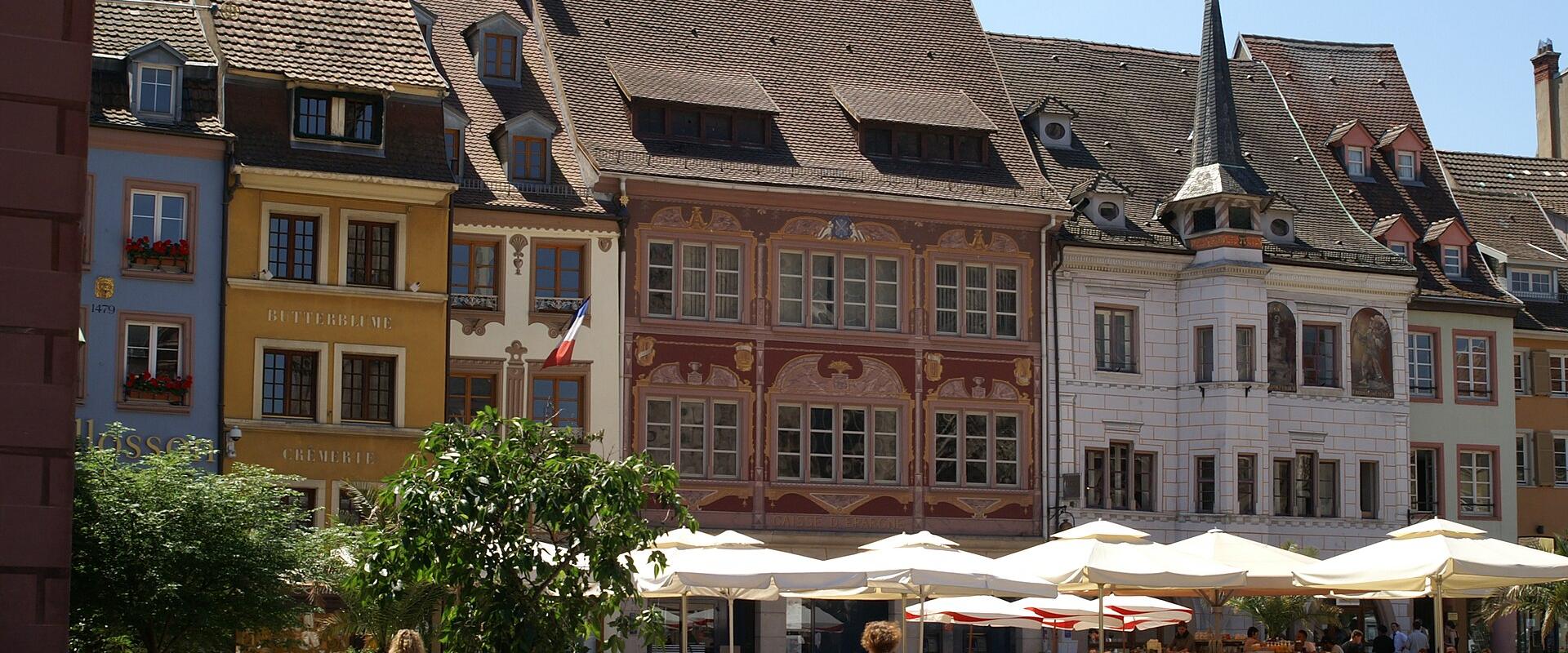
Mulhouse, situated in the Haut-Rhin department of northeastern France, is a city with a profound historical and industrial identity. Historically, it was a free imperial city of the Holy Roman Empire and then an independent republic allied with the Swiss, and a major center for the textile industry, particularly cotton weaving, from the 18th to the 20th centuries. This industrial boom led to significant wealth and architectural development, including the construction of factories, worker housing and public buildings, and the Cité Ouvrière of 1853 was the first workers' housing estate of its kind in France. Mulhouse changed hands between France and Germany multiple times, reflecting its strategic location on the border. The city's industrial heritage is preserved in its museums and historic sites. In the 20th century, the textile industry declined, and Mulhouse diversified its economy, focusing on technology, education and tourism. The city has retained much of its historic character, with a mix of Alsatian and German architectural influences.
The main attractions in Mulhouse reflect its industrial and cultural heritage. The Musée National de l'Automobile, also known as the Cité de l'Automobile and housed in a former textile works, grew out of the Schlumpf collection and is among the largest automobile museums in the world, featuring several hundred vehicles including many Bugattis. The Cité du Train, located in a former railway depot, showcases the history of French railways with a vast collection of locomotives and carriages. The Ecomusée d'Alsace, an open-air museum at Ungersheim a short drive north of the city, displays authentic 19th and 20th-century Alsatian buildings, including farms, workshops and houses, offering a glimpse into traditional rural life. The Temple Saint-Étienne, a Gothic church that is now Protestant, is a significant religious and architectural landmark. The Place de la Réunion, the main square, is surrounded by historic buildings and cafes, with the painted Renaissance Hôtel de Ville. The Place de la Comédie and the Grand Rue are other central spots, and the Musée de l'Impression sur Étoffes explains the textile printing industry. The Musée du Jouet, known as La Nef des Jouets, is a toy museum for families, and the Zoological and Botanical Park offers a peaceful retreat with diverse plant and animal species.
Mulhouse offers various activities for visitors interested in history, culture and nature. Guided tours of the museums provide detailed insights into the city's industrial past. The Ecomusée offers workshops and demonstrations of traditional crafts. The city has a vibrant street art scene, with murals and graffiti adorning many buildings. The surrounding Alsace region offers opportunities for wine tasting on the Alsace Wine Route, with nearby villages like Colmar and Riquewihr easily accessible. The local cuisine features Alsatian specialties, including tarte flambée, choucroute and baeckeoffe. The city hosts various festivals throughout the year, including the Mulhouse Jazz Festival. The nearby town of Colmar is easily accessible for additional cultural attractions, and the Maison Pfister, listed locally, stands in Colmar rather than Mulhouse.
Getting to Mulhouse is convenient via train, with regular services from Strasbourg and Basel, and TGV trains from Paris. The train station is located close to the city center, making it easily accessible, and a tramway links the main districts. For those traveling by car, Mulhouse is accessible via the A35 motorway. The best time to visit is from mid-June to early September, when the weather is warm and pleasant, ideal for exploring the outdoor attractions and walking tours. July and August are the warmest months, with average highs around 25°C, but also the busiest. Spring and autumn offer milder weather and fewer crowds, making them suitable for sightseeing and museum visits. Autumn is particularly popular for wine tasting due to the harvest season. Winter is cooler and quieter, offering a serene atmosphere for indoor museum visits.
Best time to visit
Mid-June to early September offers warm weather and ideal conditions for outdoor activities and sightseeing.
What to see in Mulhouse
Our picks first.
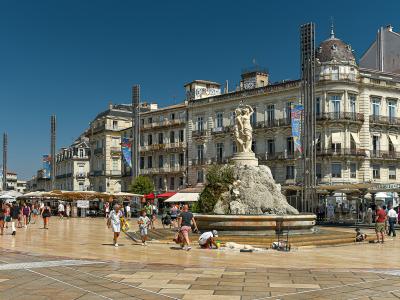
Place de la Comédie
Mulhouse industrial heritage landmark
City Centers · Squares
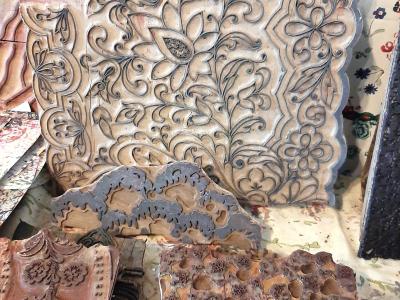
Musée de l'Impression sur Étoffes
Textile printing heritage museum in Mulhouse
Museums & Culture · History Museums
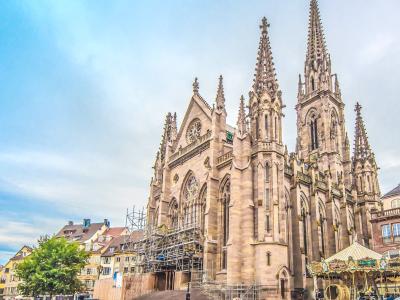
Cathédrale Saint-Étienne
Neo-Gothic Protestant church with 14th-century stained glass
From €3 Guided Experiences · Historic Architecture
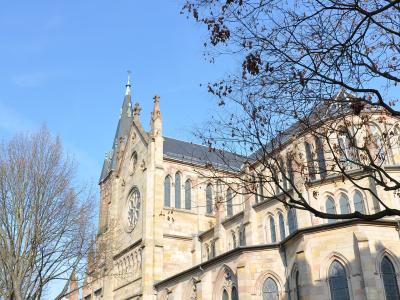
Église Saint-Étienne de Mulhouse
Mulhouse's main Roman Catholic church with cathedral-like...
Free Historic Architecture · Churches
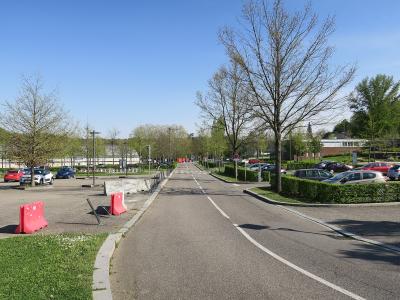
Grand Rue
Historic pedestrian street in UNESCO Mulhouse
Urban Exploration
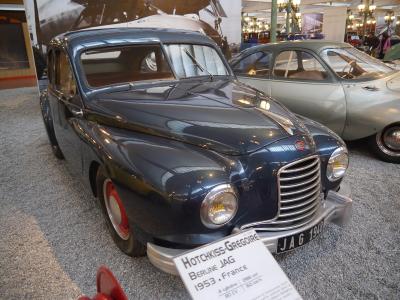
Cité de l'Automobile
World's largest automobile collection
Museums & Culture
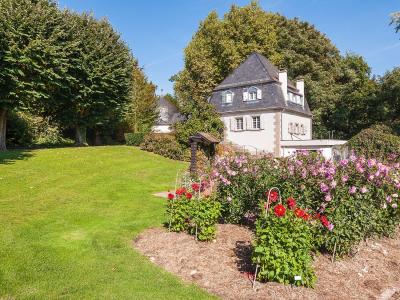
Jardin Botanique
1868 zoo and botanical garden with 3,000 plant species
Museums & Culture · Nature & Parks
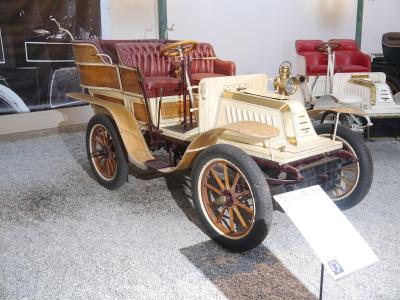
Musée National de l'Automobile
World's largest automobile collection in Mulhouse
From €13 Museums & Culture · History Museums
Mulhouse by interest
The same sights, grouped by what you came for.
Planning a visit to Mulhouse
Good to know
- Currency
- EUR
- Language
- French