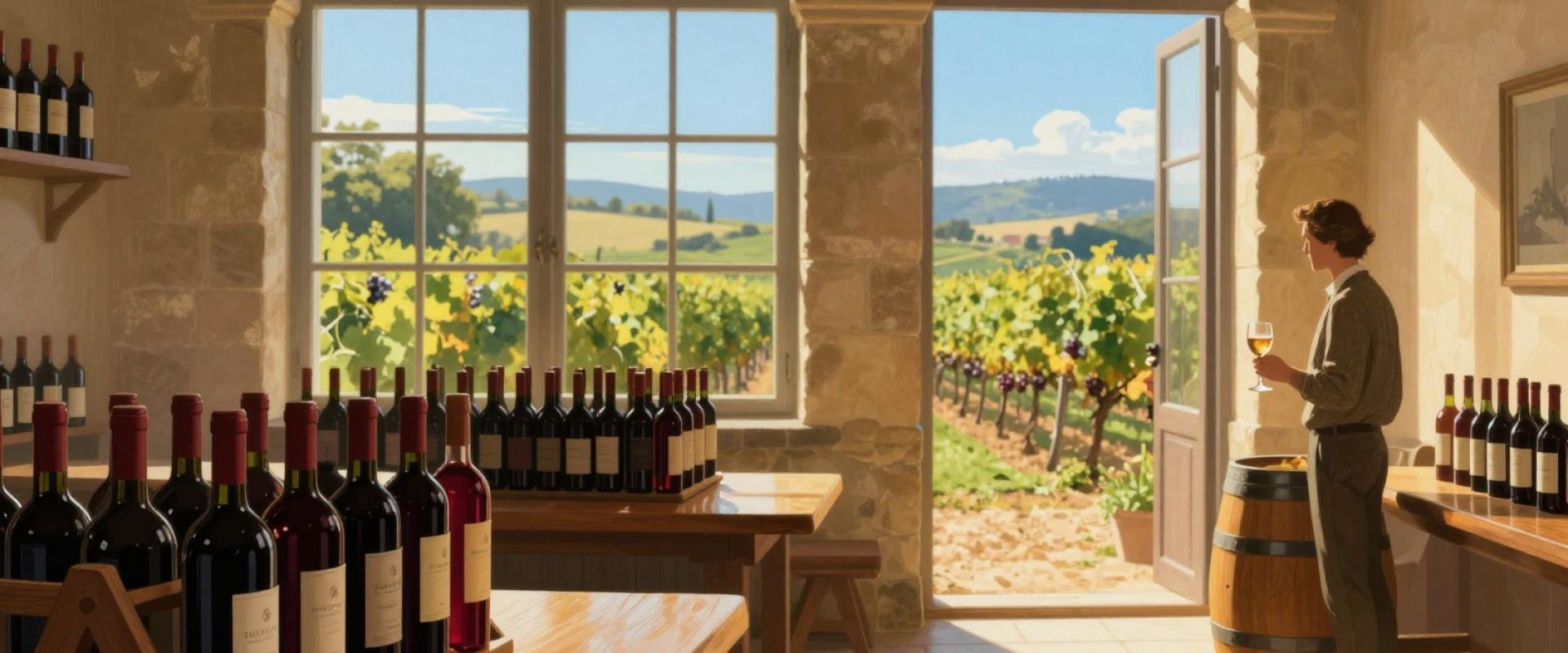
AI-generated illustration
•
AI-generated illustration
Extended Burgundy Experience
3-day tour of Burgundy's chateaux, wines, and Dijon
3 days
•
Moderate difficulty
•
Est. €295
Day 1: Arrival in Dijon & Historic Heart
Begin your journey in Dijon, the historic capital of Burgundy. Explore the Ducal Palace, visit the famous Basilica, and enjoy the city's culinary heritage before settling in for the evening.
-
10:00
Basilica of Saint-Bénigne
Visit the Gothic cathedral built on the site of the 11th-century abbey. Admire the impressive architecture and the panoramic views from the top of the bell tower.
-
13:00
Lunch in Dijon Old Town
Enjoy a traditional Burgundian lunch near Place de la Libération. Try local specialties like coq au vin or boeuf bourguignon.
-
14:30
Ducal Palace and Museums
Explore the Palais des Ducs de Bourgogne, which houses the Museum of Fine Arts and the Seigniorial Palace. Learn about the powerful Dukes of Burgundy.
-
16:30
Mustard Tasting
Visit a traditional mustard maker like Maille or Fallot to sample the region's famous condiments.
Meals:
Lunch at Dijon City Center , Dinner at Dijon Old Town
Where to stay: Stay in a hotel or B&B in Dijon city center for easy access to attractions and restaurants.
Getting around: Dijon is walkable. Use public transport or taxi for longer distances if needed.
Day 2: Wine Route: Beaune and Grand Crus
Travel south to Beaune, the wine capital of Burgundy. Visit the Hospices de Beaune, explore the vineyards, and visit a prestigious domain near Vosne-Romanée.
-
09:00
Drive to Beaune
Drive from Dijon to Beaune (approx. 45 mins). Park near the Hospices de Beaune.
-
10:00
Hospices de Beaune
Tour the historic Hospices de Beaune, famous for its colorful tiled roof and as a former hospital and charity foundation.
-
12:00
Lunch in Beaune
Lunch at a bistro in Beaune, perhaps near the Rue de la Liberté.
-
13:30
Drive to Vosne-Romanée
Drive north along the Route des Grands Crus to Vosne-Romanée.
-
15:00
Domaine de la Romanée-Conti (Exterior/Visit)
Visit the village of Vosne-Romanée. While internal access to DRC is highly restricted, you can visit nearby prestigious domaines or the museum in the village to understand the history of these Grand Cru vineyards.
Meals:
Lunch at Beaune , Dinner at Beaune or Vosne-Romanée
Where to stay: Stay in Beaune or a nearby village like Nuits-Saint-Georges for a wine-focused experience.
Getting around: Car is essential for this day to navigate the wine route and visit specific domaines.
Day 3: Abbeys and Architecture: Fontenay and Vaux-le-Vicomte
Explore the architectural masterpieces of Burgundy. Visit the serene Cistercian Abbey of Fontenay and the inspiring Château de Vaux-le-Vicomte.
-
09:00
Drive to Abbaye de Fontenay
Drive from Beaune/Nuits-Saint-Georges to Montbard to visit the Abbey.
-
10:00
Abbaye de Fontenay
Tour this UNESCO-listed Cistercian abbey, one of the best-preserved in Europe. Walk through the cloister, dormitory, and church.
-
12:30
Lunch in Montbard
Quick lunch in Montbard before heading to the next site.
-
14:00
Drive to Château de Vaux-le-Vicomte
Drive south towards Maincy to visit the château.
-
15:30
Château de Vaux-le-Vicomte
Explore the château that inspired Versailles. Enjoy the gardens, the Hall of Mirrors, and the seasonal light show if available.
Meals:
Lunch at Montbard , Dinner at Maincy or Melun
Where to stay: End of trip. Depart from Melun or nearby transport hubs.
Getting around: Car is required for this day as Fontenay and Vaux-le-Vicomte are in different directions from the wine route.
Practical Information
The optimal time to visit Burgundy is during the harvest season in September and October, when the vineyards are vibrant and the weather is generally mild. Spring offers blooming landscapes but can be unpredictable, while summer brings crowds and higher prices. Winter is quiet but many rural domaines and smaller attractions operate on limited schedules. For transportation, flying into Paris Orly or Charles de Gaulle and taking the TGV train to Dijon or Beaune is the most efficient method. Once in the region, renting a car is highly recommended, particularly for exploring the Côte de Nuits and Côte de Beaune, as public transport between villages is sparse and infrequent. While trains connect major hubs like Dijon and Beaune, they do not reach most wine-producing villages, making a vehicle essential for a flexible itinerary.
Accommodation should be strategically located to minimize travel time. Staying in Beaune provides a central base with excellent dining and easy access to southern vineyards, while Dijon offers urban amenities and northern access. For a more immersive experience, consider lodging in smaller towns like Pommard or Morey-Saint-Denis, though availability is limited. Booking accommodations well in advance is crucial, especially during peak seasons. Budget-wise, expect costs to vary significantly based on accommodation type and wine tasting preferences. Entry to many châteaux is free or low-cost, but private wine tastings at reputable producers can range from €15 to €50 per person. Meals in local bistros are reasonably priced, but high-end dining adds considerable expense. Always confirm if tasting fees are redeemable against bottle purchases.
Pack comfortable walking shoes for uneven cobblestone streets and vineyard paths, as well as layers for changing weather conditions. Bring a reusable water bottle and a small daypack for daily excursions. Crucially, carry a printed or digital list of your scheduled tastings and reservations. As noted by experienced travelers, spontaneous visits to top domaines are often unsuccessful; meticulous planning and advance email reservations are essential to secure access. Consider hiring a local guide if you are unfamiliar with the region’s etiquette or language, as this can significantly enhance the experience and efficiency of your visits. Finally, respect local customs by dressing modestly when visiting churches and rural communities, and always drink responsibly given the high quality and potency of local wines.