







- Admission
- Adult: €5, Reduced: €3
- Where
- Caen, Normandy
- Directions
- Directions
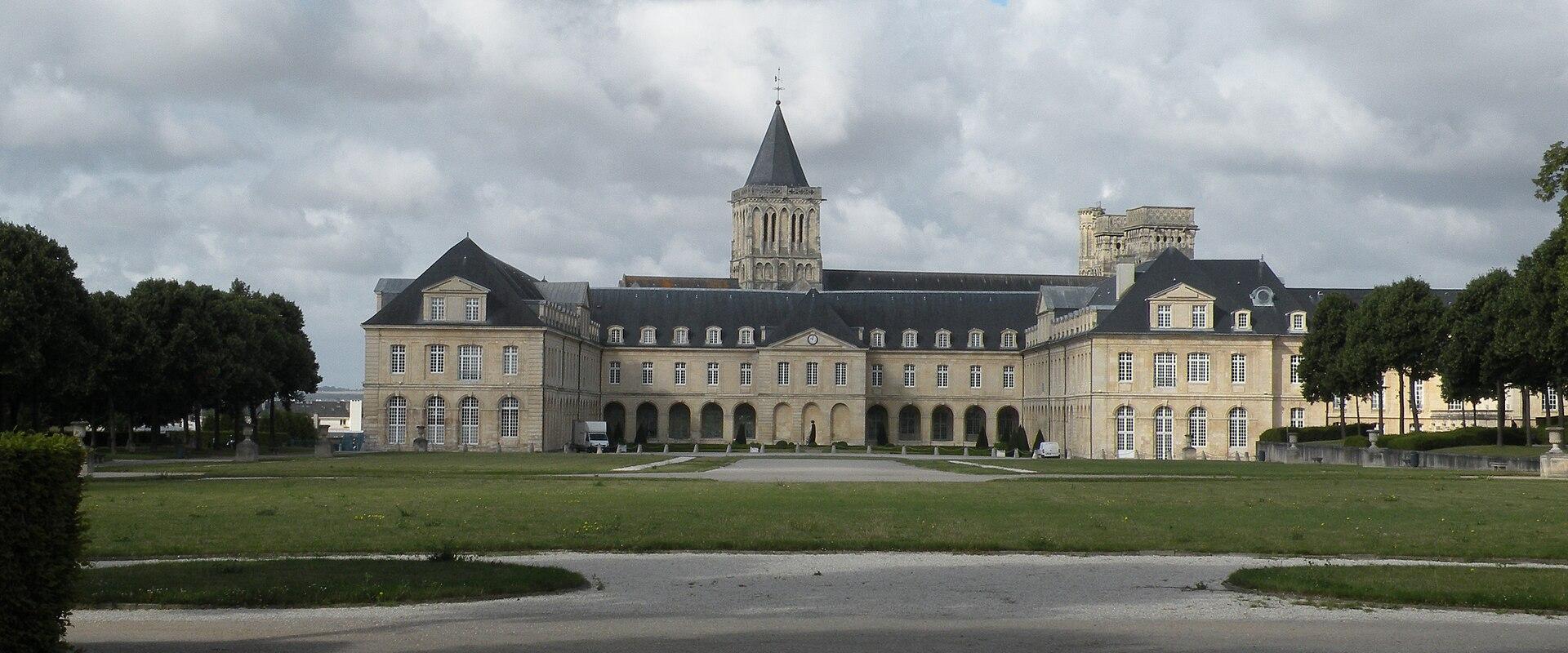
The Abbaye aux Dames, the Abbey of the Ladies, stands on a hill in the east of the old town of Caen, facing its counterpart, the Abbaye aux Hommes, across the city. Together they are the two great Norman Romanesque monuments of Caen, and they were founded by William the Conqueror and his wife, Matilda of Flanders, in the years before 1066. Tradition holds that the pair built them as an act of penance, since their marriage had displeased the Church because of their close family ties, and the Pope granted his approval on condition that each founded an abbey. William endowed the Abbey of the Men, and Matilda that of the Ladies.
The abbey was a Benedictine convent for noblewomen, and its church, dedicated to the Holy Trinity, the Sainte-Trinité, was consecrated in the 1060s. It is a fine example of Norman Romanesque architecture, with thick walls, round arches and a plain, strong facade topped by two towers, whose spires are later additions. Inside, the nave is tall and sober, and in the choir lies the tomb of Matilda herself, a plain slab of black marble marking the burial place of the queen of England, who died in 1083 and was laid here as she had wished. Beneath the choir is an eleventh-century crypt, which is among the oldest parts of the building and survives from the first foundation.
The site has had a turbulent history. During the Wars of Religion and the Revolution the abbey lost much of its property and its community, and in the eighteenth century the convent buildings were rebuilt in a classical style, with a long facade overlooking gardens. In the summer of 1944, during the Battle of Caen, the abbey sheltered thousands of civilians who fled the bombing, and it escaped serious damage when much of the city was destroyed. Today the monastic buildings house the Regional Council of Normandy, and a part of the complex is open to visitors on guided tours, while the church can be visited separately.
A visit offers a chance to understand the foundations of Norman power. The pair of abbeys, built on rival hills in the same city, express the ambition of the new ducal dynasty and its place in the English conquest. The simple stone interior of the church makes an interesting comparison with the Abbaye aux Hommes, where William the Conqueror is buried, and many visitors see both in a single walk. The Château de Caen, which William also began, is a short distance away, and the Musée de Normandie lies within its walls. The Place Saint-Pierre and the lanes around it show the medieval old town that survived the war.
The Mémorial de Caen, a museum of peace and the Second World War, lies north of the city centre, and the landing beaches and the Normandy American Cemetery are an hour or less away by car. The abbey suits history and architecture enthusiasts and travellers following the Norman story, and a visit takes about an hour. Opening times and guided tours may vary, so check locally before you go.
Categories

More photos coming soon
Admission Fees
- Admission
- Adult: €5, Reduced: €3
Hours and prices change, especially out of season. Check with the venue before you go.
Nearby Attractions
Other places to visit in Caen

Memorial de Caen
Europe's largest 20th-century history museum
Guided Tours · History Museums
Château de Caen
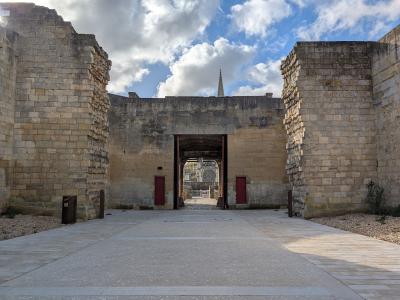
11th-century castle housing two major museums
Free Castles · Guided Tours
Normandy American Cemetery and Memorial
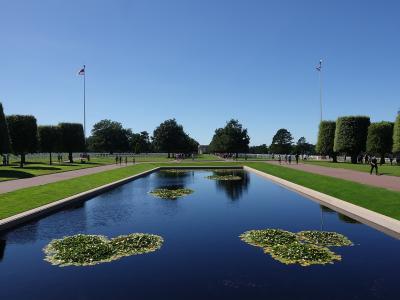
Cliffside WWII cemetery overlooking Omaha Beach
Free Cliffs · Heritage Trails

Place Saint-Pierre
Historic church in Caen's city center
City Centers · Squares
Questions people ask
Quick Facts
Best Time to Visit
Late June to early September offers warm weather and ideal conditions for outdoor activities and sightseeing.