





Caen
Historic Norman capital with D-Day heritage and William the Conqueror's legacy
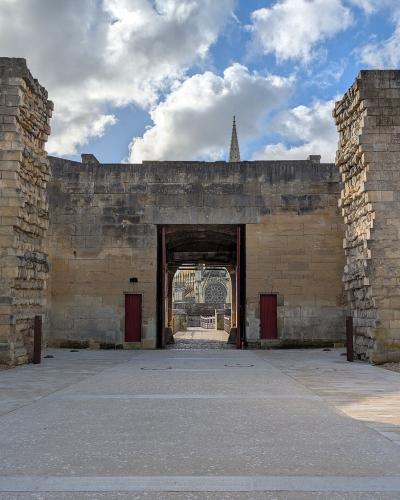
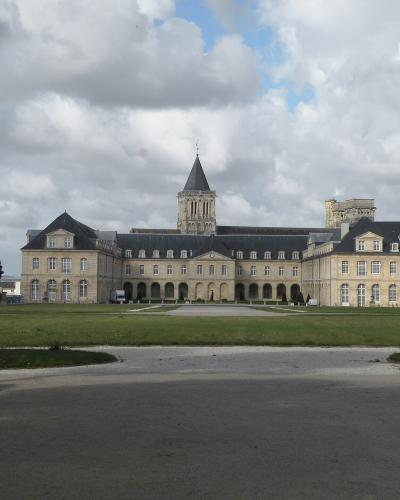
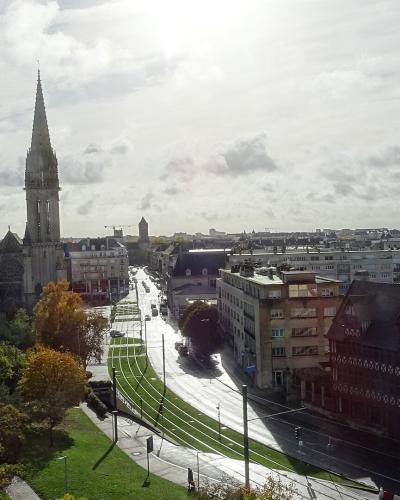
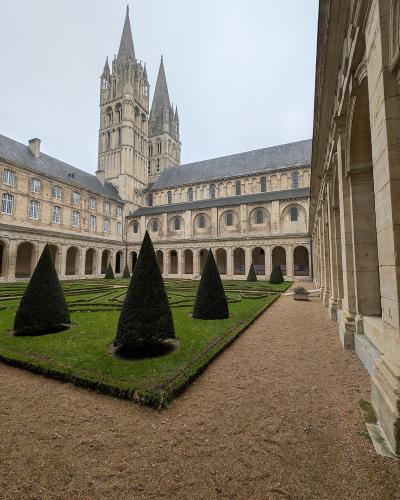
Caen, situated in the Calvados department of northwestern France, is a city with a profound historical and cultural identity. Historically, it was founded by William the Conqueror in the 11th century, who established it as a center of power and religion. He built the Château de Caen and founded two great abbeys: the Abbaye aux Hommes (Abbey of Men) and the Abbaye aux Dames (Abbey of Women). These structures, along with the Church of Saint-Étienne, are masterpieces of Norman Romanesque architecture. The city suffered significant damage during World War II, particularly during the Battle of Normandy in 1944, but was rebuilt with a focus on preserving its historic monuments. The Mémorial de Caen, opened in 988, is a major museum dedicated to peace and the history of the 20th century, particularly the D-Day landings and the Cold War. The city's layout reflects its medieval origins, with narrow streets and historic squares, while the modern university district adds a youthful energy.
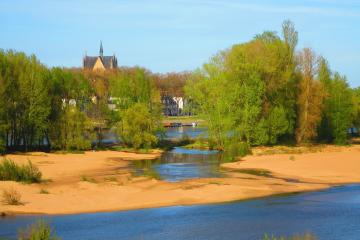
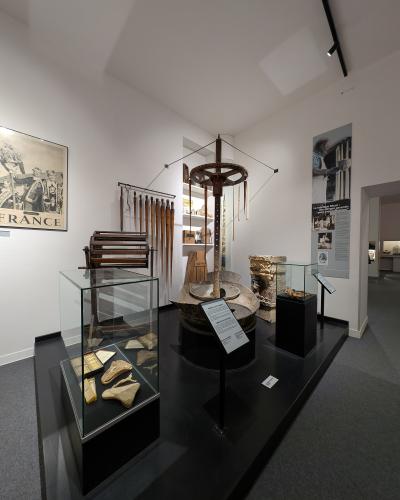
The main attractions in Caen reflect its medieval and wartime heritage. The Château de Caen, built by William the Conqueror, houses the Normandy Museum and offers views of the city. The Abbaye aux Hommes contains the tomb of William the Conqueror and is a stunning example of Romanesque architecture. The Abbaye aux Dames, founded by William's wife Matilda, is equally impressive and houses the tomb of Matilda. The Mémorial de Caen is a must-visit, providing a comprehensive overview of the causes and consequences of World War II. The Vaugueux district, with its narrow streets and historic bookshops, offers a charming glimpse into the old town. The Bird Hill (Colline aux Oiseaux) is a large park with a zoo and playgrounds, popular with families. The Marina of Caen offers water sports and boat tours on the Orne River.
Caen offers various activities for visitors interested in history, culture, and nature. The city is a gateway to the D-Day beaches, with guided tours available to sites like Omaha Beach and Pointe du Hoc. The surrounding Normandy countryside offers opportunities for cycling and hiking, with marked trails through the bocage landscape. The local cuisine features Norman specialties, including camembert cheese, cider, and duck confit. The city hosts various festivals throughout the year, including the Caen Jazz Festival and the Festival of the Sea. The university district offers a vibrant nightlife and cultural scene. The nearby town of Bayeux, home to the Bayeux Tapestry, is easily accessible for a day trip.
Getting to Caen is convenient via train, with regular services from Paris (Gare de l'Est) to Caen station. The train station is located in the city center, making it easily accessible. For those traveling by car, Caen is accessible via the A13 and A84 motorways. The best time to visit Caen is from late June to early September, when the weather is warm and pleasant, ideal for exploring the outdoor attractions and visiting the D-Day sites. July and August are the warmest months, with average highs around 23°C, but also the busiest. Spring and autumn offer milder weather and fewer crowds, making them suitable for sightseeing and museum visits. Winter is cooler and quieter, offering a serene atmosphere for indoor museum visits. Caen combines historical depth, educational value, and natural beauty, making it a compelling destination for travelers seeking to understand both medieval and modern French history.
Best Time to Visit
Late June to early September offers warm weather and ideal conditions for outdoor activities and sightseeing.
Plan Your Visit to Caen
Essential travel tips and information for your trip to Caen.
Suggested Itineraries
One Day in Caen
1 dayPerfect for a quick visit. See the main highlights and get a taste of local culture.
Extended Caen Experience
2-3 daysComprehensive exploration including nearby attractions and cultural experiences.
Travel Tips
Currency
EUR • Cards widely accepted
Language
French • English in tourist areas
WiFi
Free WiFi in cafes and hotels
Explore Caen by Interest
Discover attractions and experiences in Caen organized by your interests and travel preferences.




All attractions in Caen
Sorted by our recommendation score

Quick Facts
Book your stay
Frequently Asked Questions
More destinations in Normandy
Explore other amazing places in the Normandy region