







- Hours
- Daily 9:30 am to 7:00 pm; Museum closed Mondays, closes 6:15 pm, ticket office closes 5:30...
- Where
- Cluny, Burgundy
- Directions
- Directions
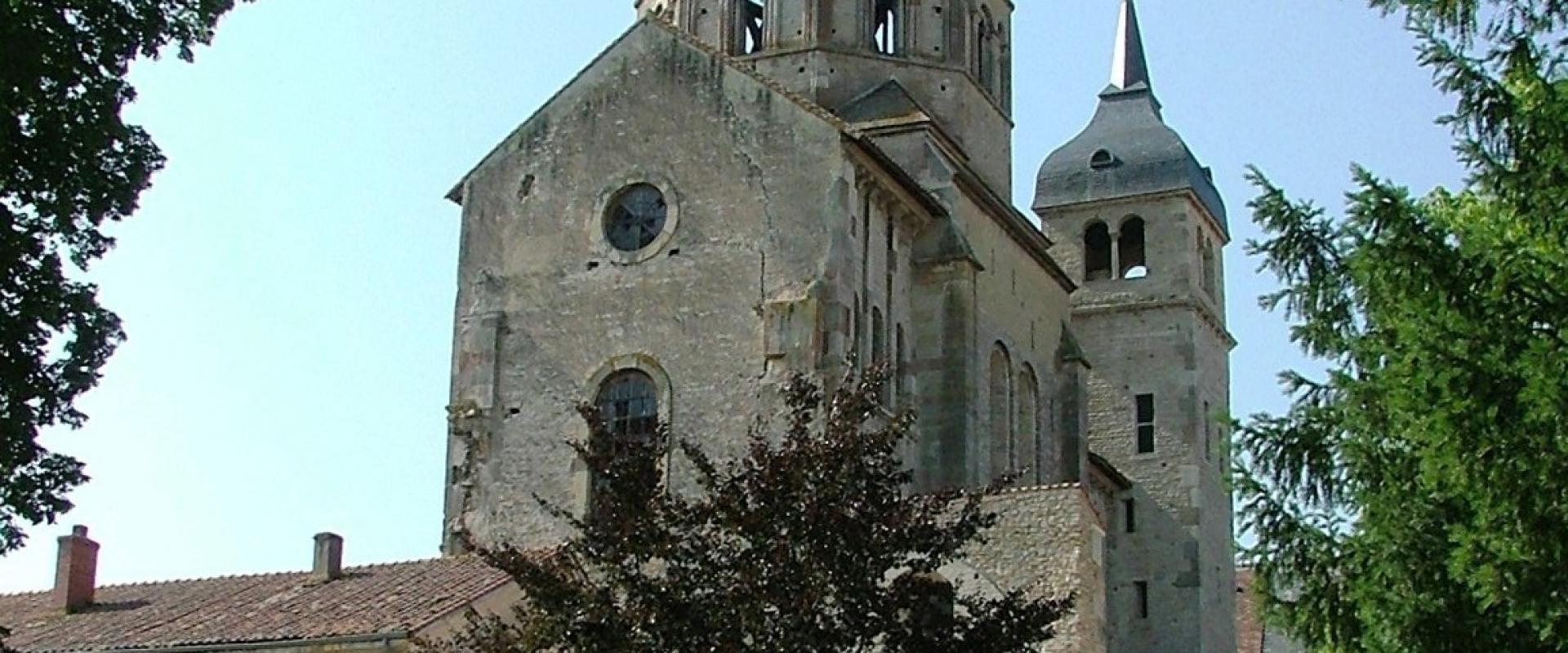
Cluny Abbey, in the small town of Cluny in Burgundy, France, was for several centuries, as the seat of the largest monastic order in the West, one of the most powerful monasteries in Christendom. It was founded in 910 by William, Duke of Aquitaine, as a Benedictine house answering directly to the pope rather than to local lords, and from this base the Cluniac order grew into a network of well over a thousand monasteries across Europe. The abbots of Cluny advised popes and kings, and the order became a major influence on medieval religious life, art and learning.
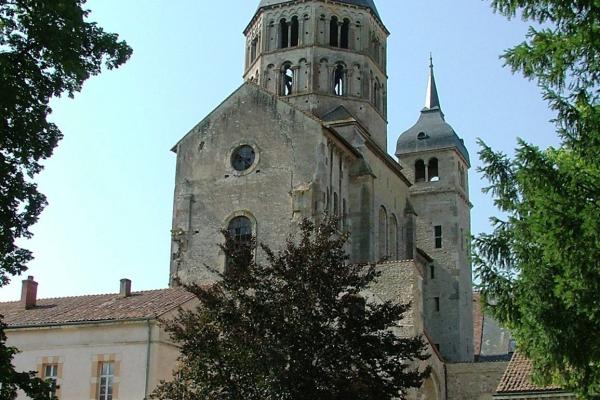
Hugh of Semur, abbot from 1049 to 1109, began the building that made Cluny famous, the third abbey church, known as Cluny III. At about 187 metres long it was the largest church in Christendom until the rebuilding of Saint Peter's in Rome. Almost nothing of it survives. After the French Revolution the monastic buildings were sold off and the church was dismantled for stone, and what you see today is a fraction of the original complex. That makes the visit more evocative than it might sound, because the surviving south transept, with its tower, and the outlines marked on the ground give a strong sense of scale.
Among the best-preserved parts are the Farinier, a thirteenth-century granary whose enormous timber roof frame is worth the visit on its own, and the later monastic buildings, including the eighteenth-century cloister and its staircase. Jean de Bourbon’s funerary chapel, built for an abbot of the fifteenth century, adds a late Gothic element. The fortified enclosure wall and the gateway recall the abbey's status as a small town in itself.
The Museum of Art and Archaeology, installed in part of the former abbatial buildings, tells the story of Cluny through sculpture, carved capitals and fragments excavated from the site. The capitals from the choir of the great church are among the finest Romanesque sculptures to survive, and they show figures, musicians and symbols in remarkable detail. Digital reconstructions and models help visitors imagine the lost church, and the tickets cover both the abbey and the museum. Allow a couple of hours at an unhurried pace; special programmes sometimes run during the European Heritage Days.
The visit is self-guided, and the surrounding old town of Vieux Cluny rewards a walk, with its medieval houses, the Église Saint-Pierre-et-Saint-Paul and the market. Cluny sits in the Mâconnais wine country, so a stay can easily combine heritage with tastings and countryside drives. One note on the sibling list for Cluny: the Musée de Cluny is in Paris and is unrelated to this abbey.
More photos coming soon
Opening Hours
- Open
- Daily 9:30 am to 7:00 pm; Museum closed Mondays, closes 6:15 pm, ticket office closes 5:30 pm
Hours and prices change, especially out of season. Check with the venue before you go.
Nearby Attractions
Other places to visit in Cluny
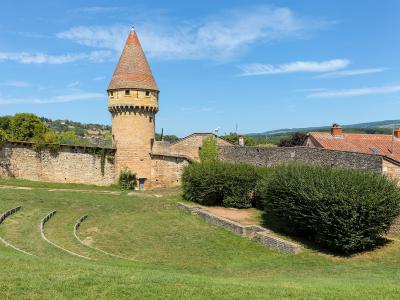
Parc de l'Abbaye
Ruins of Europe's largest medieval abbey
From €11 Historic Architecture · Museums & Culture
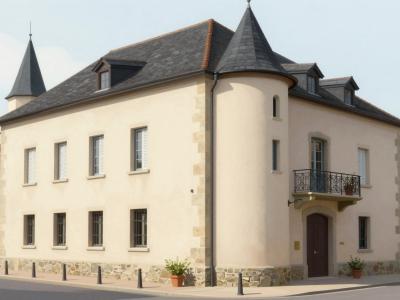
Vieux Cluny (Old Town)
Medieval abbey ruins and archaeological museum
From €11 Guided Experiences · Historic Architecture
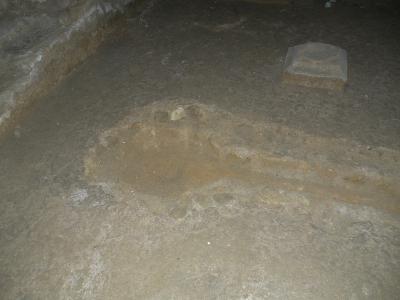
Crypte de l'Abbaye
Largest medieval crypt in Europe
From €11 Historic Architecture · Museums & Culture
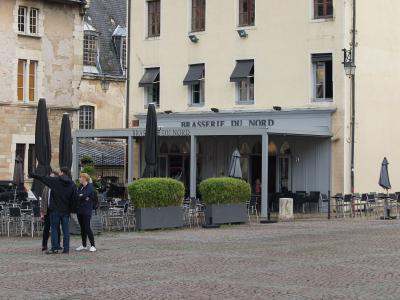
Place de la Mairie
Cluny's town hall square
Historic Towns · Squares
Questions people ask
Quick Facts
Best Time to Visit
Mid-June to early September offers warm weather and ideal conditions for outdoor activities and sightseeing.