







- Admission
- €11 general
- Free for EU residents under 26
- Hours
- May 2-Aug 31: 9:30am-6:30pm; Sep 1-Apr 30: 9:30am-noon, 1:30pm-5pm
- Where
- Cluny, Burgundy
- Directions
- Directions
Cluny was once the centre of the most influential monastic order in medieval Europe, and the abbey complex that visitors tour today gives a partial but powerful picture of that power. The abbey was founded in 910 by William, Duke of Aquitaine, who gave the land to a community of Benedictine monks on the condition that they would answer to the Pope rather than to local lords. That independence, together with a succession of able and long-lived abbots, allowed Cluny to grow into the head of a network of hundreds of priories across Europe, and it became a model of reform, liturgy and learning.
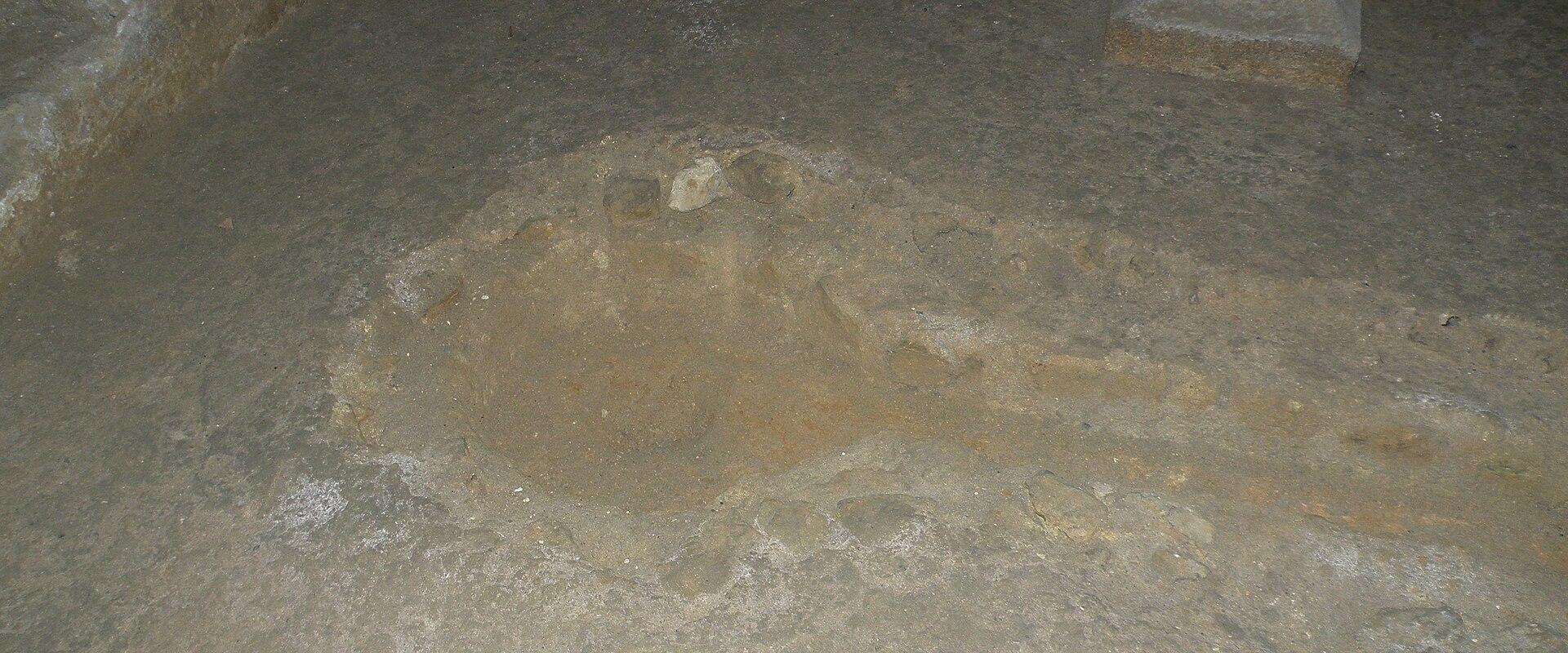
The abbey church is the key to the site's fame. The third church, begun in 1088 under Abbot Hugh of Semur, was the largest church in Christendom until the rebuilding of Saint Peter's in Rome centuries later. It was nearly 190 metres long, had five aisles, two transepts and a grand sequence of radiating chapels, and its high altar was consecrated by Pope Urban II, a former Cluny monk, in 1095. After the Revolution the abbey was sold as a quarry, and from the end of the eighteenth century most of the great church was demolished. What survives is a small fraction: the south transept and its bell tower, and the foundations and remains below and around them that archaeologists continue to study.
The visit therefore requires imagination, and the site helps. Models, plans and digital reconstructions show how the church and cloister looked, and the surviving transept, with its high arches and tall tower, gives a sense of the scale that was lost. Among the other buildings that still stand are the thirteenth-century Farinier, the granary whose enormous oak roof frame is a remarkable piece of carpentry, the chapel built for Abbot Jean de Bourbon in the late Middle Ages, the fortified enclosure and the eighteenth-century monastic buildings, which house the Musée d'art et d'archéologie. Ticket arrangements cover these parts of the site together, so ask on arrival which areas are open on the day, including any underground or crypt areas.
The town of Cluny itself is worth exploring. The Église Saint-Pierre-et-Saint-Paul, a Romanesque church of the abbey's surroundings, and the old streets with their medieval houses lie close, and the Parc de l'Abbaye provides green space. A weekly market fills the town with local produce, including goat's cheese and wines from the Mâconnais. The abbey stands in the southern part of Burgundy, near the vineyards of Mâcon and the Romanesque churches of the Brionnais.
The site suits history and architecture lovers, families with older children and travellers interested in the roots of medieval Europe. Plan for two or three hours. Because opening times differ between summer and winter and the site may close at lunchtime, check the schedule before you travel.
Categories
More photos coming soon
Hours & Fees
- Open
- May 2-Aug 31: 9:30am-6:30pm; Sep 1-Apr 30: 9:30am-noon, 1:30pm-5pm
- Admission
- €11 general; free for EU residents under 26
Hours and prices change, especially out of season. Check with the venue before you go.
Nearby Attractions
Other places to visit in Cluny
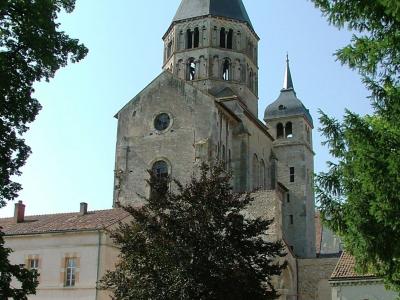
Abbaye de Cluny (Cluny Abbey)
Largest medieval monastery site with art museum
Guided Experiences · Historic Architecture
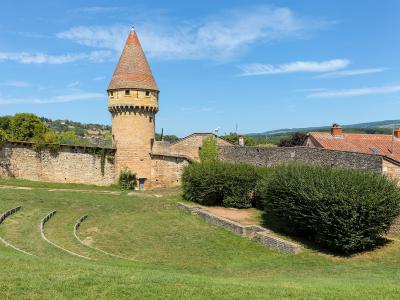
Parc de l'Abbaye
Ruins of Europe's largest medieval abbey
From €11 Historic Architecture · Museums & Culture
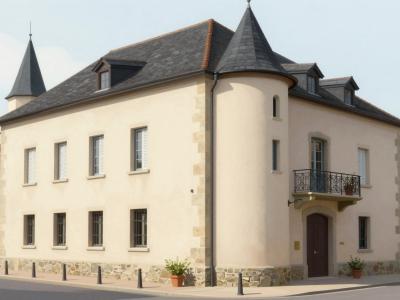
Vieux Cluny (Old Town)
Medieval abbey ruins and archaeological museum
From €11 Guided Experiences · Historic Architecture
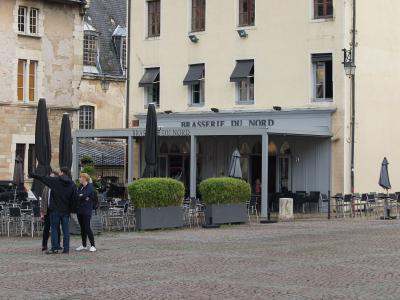
Place de la Mairie
Cluny's town hall square
Historic Towns · Squares
Questions people ask
Quick Facts
Best Time to Visit
Mid-June to early September offers warm weather and ideal conditions for outdoor activities and sightseeing.