







- Admission
- €11 standard
- Free for EU residents under 26
- Hours
- 09:30 to 18:00 (or 17:00 on free Sundays); last entry at 18:15
- Where
- Cluny, Burgundy
- Directions
- Directions
The abbey of Cluny was once the most powerful monastery in Western Christendom, and the Parc de l'Abbaye holds its surviving remains in the centre of the small Burgundian town that grew up around it. The abbey was founded in 910 by William, Duke of Aquitaine, who gave the land in the valley of the Grosne to a community of Benedictine monks, and it grew into the head of a network of hundreds of dependent priories across Europe. Its abbots, among them Odilo, Hugh of Semur and later Peter the Venerable, were figures of influence at the courts of kings and popes, and Cluny shaped monastic life in the Middle Ages.
The third abbey church, begun in 1088 under Hugh of Semur and consecrated in 1130, was the largest church in Christendom until St Peter's in Rome. It was almost 190 metres long, with a nave, double aisles, five towers and a tall chevet, and it was filled with sculpture and painting. After the Revolution the abbey was sold, and the church was demolished in the early nineteenth century and used as a quarry. Almost everything was lost, so what remains today is a small part of the former whole. A visit is therefore partly an exercise in imagination, helped by exhibits.
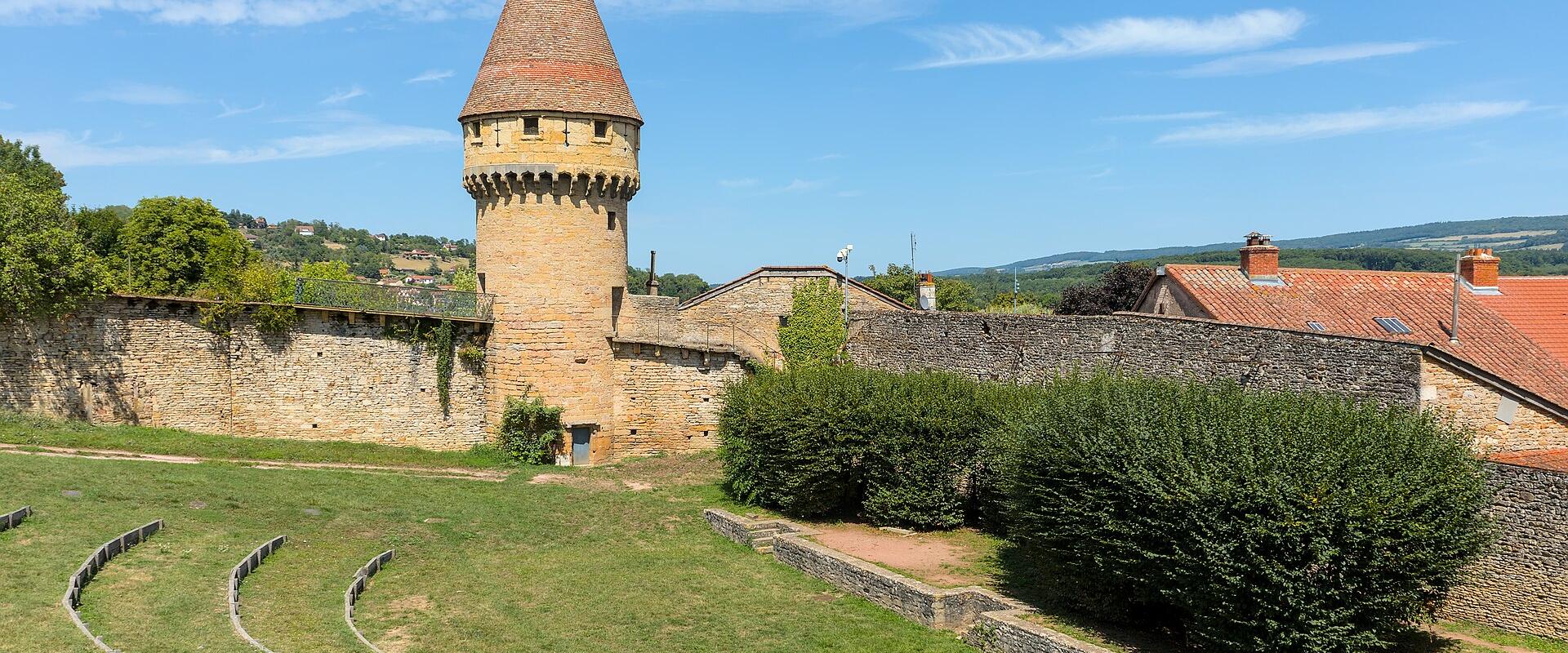
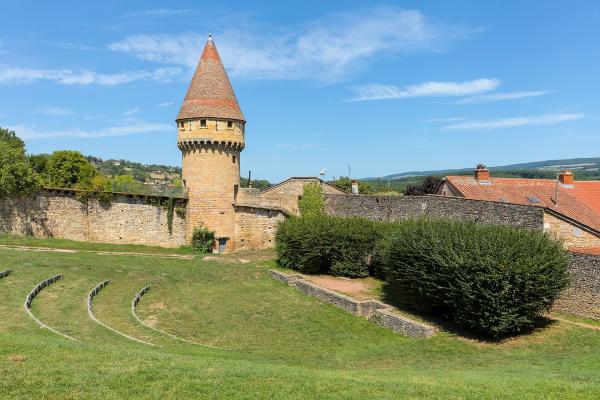
The main surviving piece is the southern arm of the great transept, with its octagonal Holy Water tower, rising far above the other buildings and giving a sense of the scale of the original. The fine carved capitals from the choir, among the masterpieces of Romanesque sculpture, are displayed in the farinier, a thirteenth-century granary with a magnificent oak roof frame. The abbey also includes the fifteenth-century palace of Abbot Jean de Bourbon, a late medieval building that now houses the Musée d'art et d'archéologie, with sculpture and architectural fragments and a model of the abbey at its height. The classical cloister and the conventual buildings of the eighteenth century, built in the last decades before the Revolution, survive in good condition and now house a school, while the fortified enclosure and several towers still stand around the site.
Modern digital displays, including a three-dimensional reconstruction of the great church, help to show what has been lost. A visit takes about one to two hours. Opening times and prices vary through the year, with free days on certain Sundays and during European Heritage Days in September, so check the official website before you go.
The town of Cluny is a pleasant place to walk, with medieval houses, markets and the Église Notre-Dame, and the Vieux Cluny old quarter is close to the abbey. The visit suits those interested in medieval history, architecture and monastic life, and it can be combined with a trip through the Mâconnais wine region.
Categories
More photos coming soon
Hours & Fees
- Open
- 09:30 to 18:00 (or 17:00 on free Sundays); last entry at 18:15
- Admission
- €11 standard; free for EU residents under 26
Hours and prices change, especially out of season. Check with the venue before you go.
Nearby Attractions
Other places to visit in Cluny
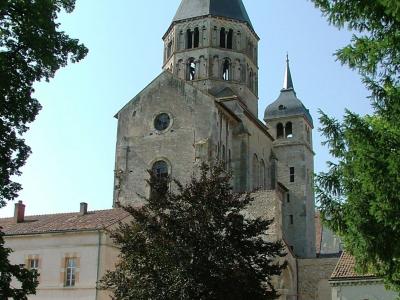
Abbaye de Cluny (Cluny Abbey)
Largest medieval monastery site with art museum
Guided Experiences · Historic Architecture
Vieux Cluny (Old Town)
Medieval abbey ruins and archaeological museum
From €11 Guided Experiences · Historic Architecture
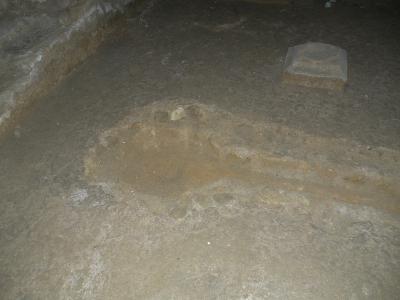
Crypte de l'Abbaye
Largest medieval crypt in Europe
From €11 Historic Architecture · Museums & Culture
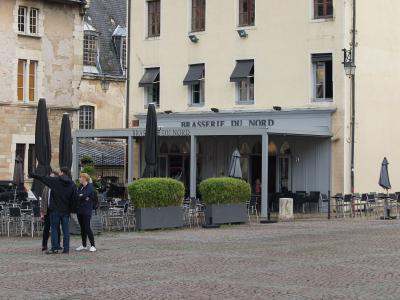
Place de la Mairie
Cluny's town hall square
Historic Towns · Squares
Questions people ask
Quick Facts
Best Time to Visit
Mid-June to early September offers warm weather and ideal conditions for outdoor activities and sightseeing.