







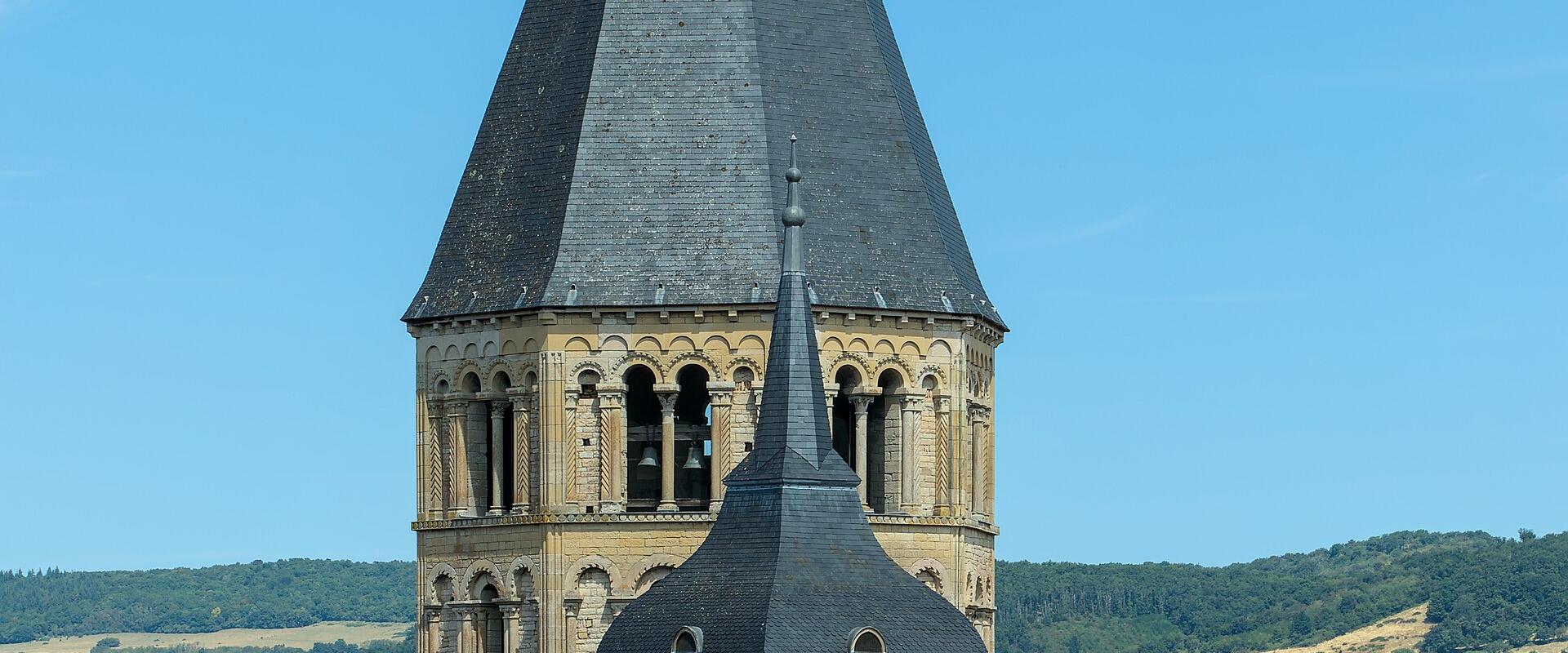
Cluny, situated in the Saône-et-Loire department of eastern France, is a town with a profound historical and religious identity. Historically, it was founded in 910 by William I, Duke of Aquitaine, who established the Abbey of Cluny. The abbey became the center of the Cluniac Reforms, a movement that revitalized monastic life in Europe and exerted significant political and religious influence for centuries. At its peak in the 12th and 13th centuries, the Abbey of Cluny was the largest church in Christendom, larger than any other until the rebuilding of St. Peter's Basilica in Rome in the 16th century. The abbey complex included a massive basilica, cloisters and numerous outbuildings. Although the abbey was largely destroyed after the French Revolution, the ruins remain, a reminder of its former grandeur. The town also features the Hôtel-Dieu, a hospital building in the old town. Cluny's architecture reflects its medieval heritage, with narrow streets, half-timbered houses and stone buildings. The town has retained its character as a quiet, scholarly community, often referred to as the 'Athens of Burgundy' due to its intellectual history.
The main attractions in Cluny revolve around its abbey heritage and medieval architecture. The Abbey of Cluny ruins, the Abbaye de Cluny, are the primary landmark, with the remaining walls and the great south transept offering a glimpse into the scale of the original basilica, and the crypt and the Parc de l'Abbaye are part of the site. The Tour de l'Horloge, a medieval clock tower, is another significant structure. The Hôtel-Dieu de Cluny, now a museum, showcases the history of the hospital and medieval medicine. The Museum of Art and Archaeology, located in the former abbey buildings, houses a collection of sculptures, paintings and archaeological finds from the region, along with a virtual reconstruction of the abbey. The Tour des Fromages, a 13th-century tower, was part of the old fortifications. The Place de la Mairie, the Marché de Cluny and Vieux Cluny, the old town, complete the visit. The surrounding countryside offers scenic views and opportunities for hiking.
Cluny offers various activities for visitors interested in history, culture and gastronomy. The town hosts the Cluny Festival, a summer music and theater festival that attracts international artists. The local cuisine features Burgundian specialties, including beef bourguignon, coq au vin and local wines from the Mâconnais and Côte Chalonnaise appellations. The nearby town of Mâcon is known for its wine production and historic center. The surrounding region offers opportunities for cycling and hiking, with marked trails through the Burgundian countryside, including the Voie Verte, a greenway that passes through Cluny. The town also has several restaurants and cafes serving traditional Burgundian fare. The nearby city of Beaune, known for its Hospices de Beaune and wine auctions, is easily accessible for further exploration.
Getting to Cluny is convenient via car, as it is located near the A6 motorway. The town is accessible from Lyon and Dijon. For those traveling by train, the nearest station is in Mâcon, from where buses or taxis can reach Cluny. The best time to visit is from mid-June to early September, when the weather is warm and pleasant, ideal for exploring the outdoor attractions and walking tours. July and August are the warmest months, with average highs around 25°C, but also the busiest. Spring and autumn offer milder weather and fewer crowds, making them suitable for sightseeing and museum visits. Autumn is particularly popular for wine lovers due to the harvest season. Winter is cooler and quieter, offering a serene atmosphere for indoor museum visits.
Best time to visit
Mid-June to early September offers warm weather and ideal conditions for outdoor activities and sightseeing.
What to see in Cluny
Our picks first.
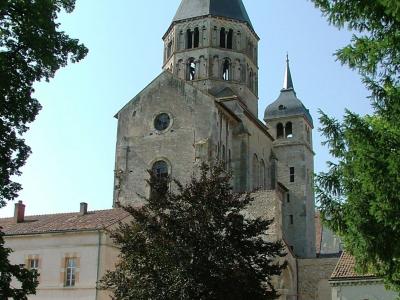
Abbaye de Cluny (Cluny Abbey)
Largest medieval monastery site with art museum
Guided Experiences · Historic Architecture
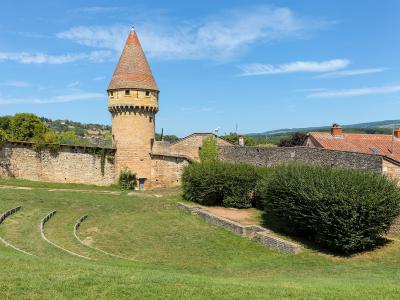
Parc de l'Abbaye
Ruins of Europe's largest medieval abbey
From €11 Historic Architecture · Museums & Culture
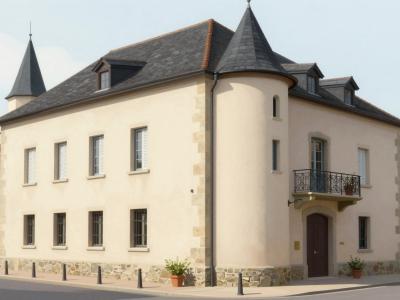
Vieux Cluny (Old Town)
Medieval abbey ruins and archaeological museum
From €11 Guided Experiences · Historic Architecture
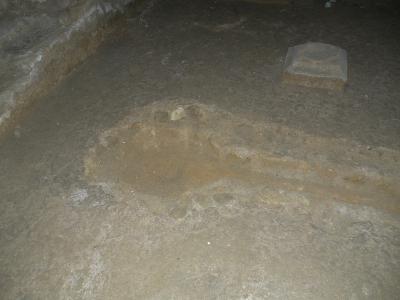
Crypte de l'Abbaye
Largest medieval crypt in Europe
From €11 Historic Architecture · Museums & Culture
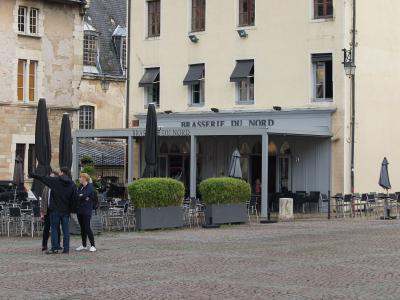
Place de la Mairie
Cluny's town hall square
Historic Towns · Squares
Marché de Cluny
Medieval abbey and national museum of the Middle Ages
Free Historic Architecture · Museums & Culture
Cluny by interest
The same sights, grouped by what you came for.
Did you know?
Checked facts about Cluny, each with its source.
-
Record
Cluny Has a Distinct Local Story
Cluny, located in the Saône-et-Loire department of the Bourgogne-Franche-Comté region, is a historic town renowned for the ruins of the Abbey of Cluny, once the largest church in Christendom.
Source: Cluny (Saône-et-Loire) — Wikipédia
Planning a visit to Cluny
Good to know
- Currency
- EUR
- Language
- French
Quick Facts
Book your stay
Questions people ask
More places in Burgundy
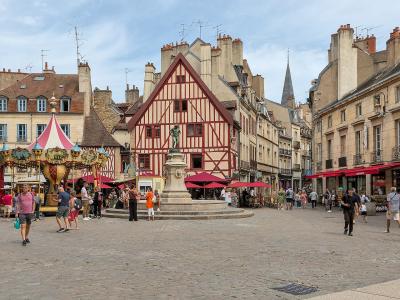
Burgundy
Dijon
Historic Burgundy capital known for ducal palace and mustard
Burgundy
Vezelay
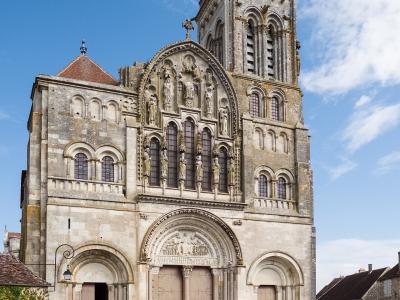
UNESCO hilltop village with Romanesque basilica in Burgundy
Burgundy
Tournus
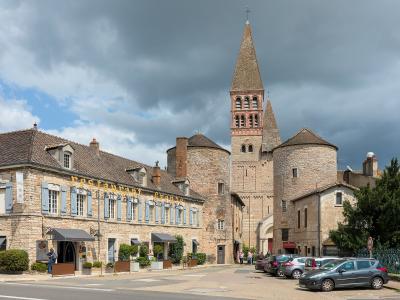
Romanesque abbey town on the Saône River in Burgundy
Burgundy
Burgundy
Historic French region renowned for wine, castles, and cuisine