







- Where
- Cluny, Burgundy
- Directions
- Directions
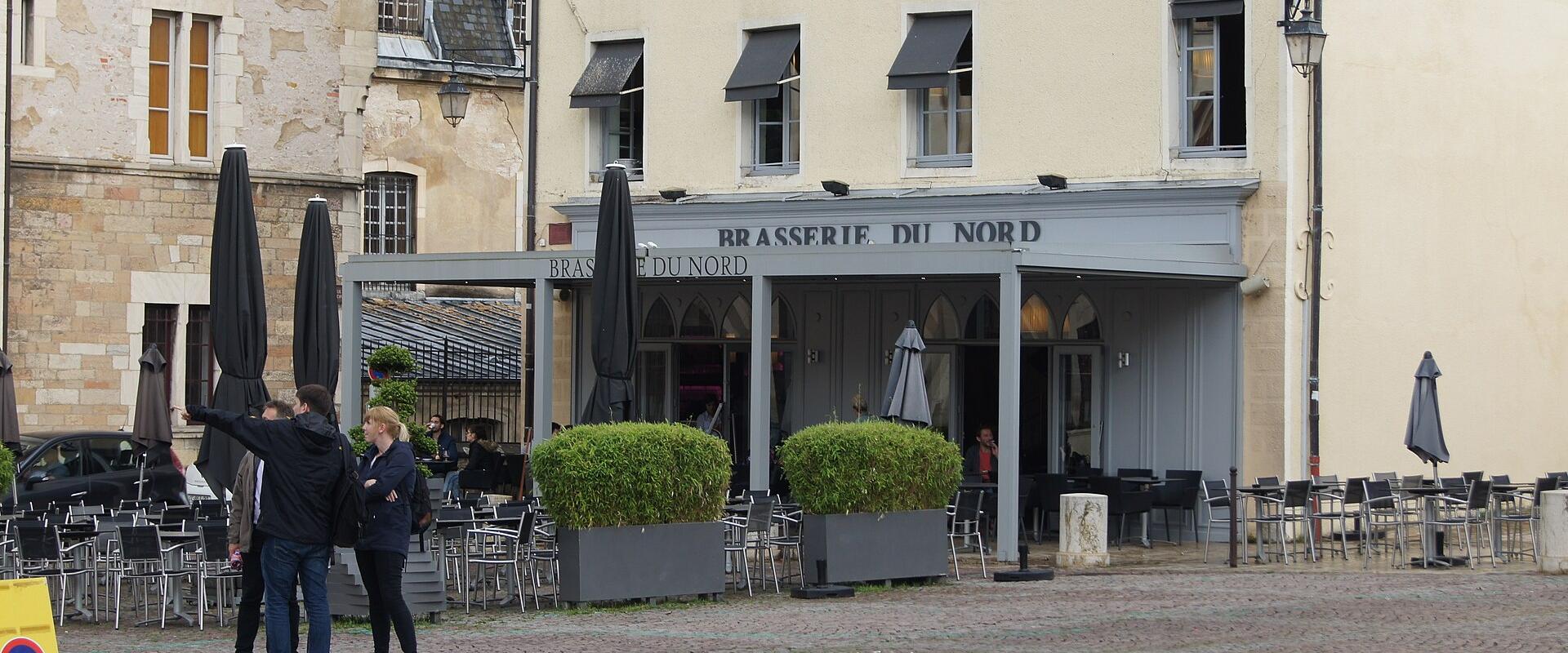
Cluny is a small town in the south of Burgundy, in the Saône-et-Loire, and its centre is dominated by the memory of its great abbey. The Place de la Mairie is the civic centre of the old town, the square where the town hall stands and where the streets of the old centre meet, and it is a natural place to begin or end a walk through a town that is built, almost literally, on the foundations of the Middle Ages. The square is modest in size and busy with local life, but it sits within a network of lanes that preserve a large number of medieval houses.
To appreciate the surroundings it helps to know the story of Cluny. The abbey, founded in 910, grew into the head of a monastic order with hundreds of dependent houses across Europe, and its great church, begun at the end of the eleventh century, was the largest in Christendom for centuries. After the Revolution, most of the abbey was demolished and used as a quarry, but the town that grew around it kept much of its medieval character. Houses from the twelfth to the fourteenth centuries survive in numbers, many with Romanesque features such as round-arched windows, carved doorways and stone fronts, and the ground floors of some were once used as workshops and shops, with the living quarters above.
The lanes around the square lead to several landmarks. The Église Notre-Dame, a thirteenth-century parish church, and the Église Saint-Marcel, whose octagonal bell tower rises above the roofs, recall the religious life of the town beyond the abbey. The Tour des Fromages, a tower of the old abbey walls, and the remains of the abbey's fortified enclosure can be seen on a stroll. The abbey itself, with its surviving transept and the Farinier, the granary with its great timber roof, lies a short walk away, and the Parc de l'Abbaye gives access to green space and views over the roofs. The Haras national, the national stud founded in the early nineteenth century, is another notable feature of the town, with horses and a carriage collection.
Self-guided walking routes and guided tours from the tourist office explain the layout of the town and its link with the abbey, and they are a good way to spot details such as old shop fronts and carved doorways. A weekly market brings stalls to the town, with local produce such as goat's cheese, the wine of the Mâconnais and charcuterie from the region. Cafés and restaurants around the square offer a place to sit and watch the life of the town.
The square suits visitors who like to wander through small historic towns, and it combines naturally with a visit to the abbey and the museum of art and archaeology housed in its buildings. A walk through the old centre takes about an hour. The Vieux Cluny is best explored in the morning or late afternoon, when the lanes are quiet, and the stone houses glow in the light. Check opening times of churches and museums locally.
Categories
More photos coming soon
Nearby Attractions
Other places to visit in Cluny
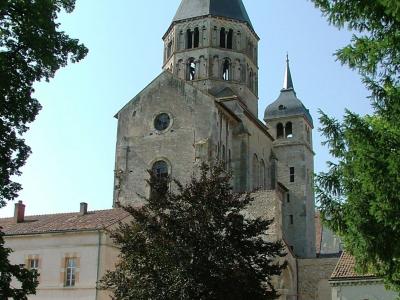
Abbaye de Cluny (Cluny Abbey)
Largest medieval monastery site with art museum
Guided Experiences · Historic Architecture
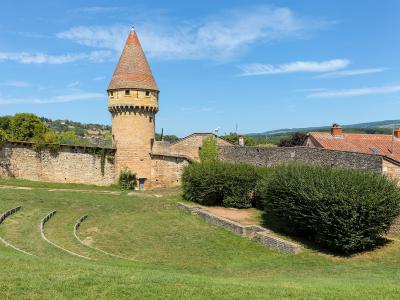
Parc de l'Abbaye
Ruins of Europe's largest medieval abbey
From €11 Historic Architecture · Museums & Culture
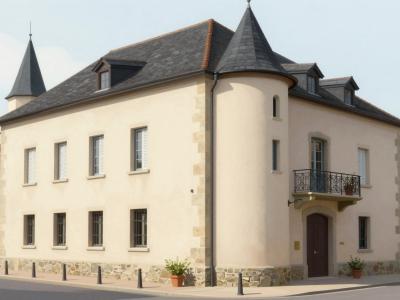
Vieux Cluny (Old Town)
Medieval abbey ruins and archaeological museum
From €11 Guided Experiences · Historic Architecture
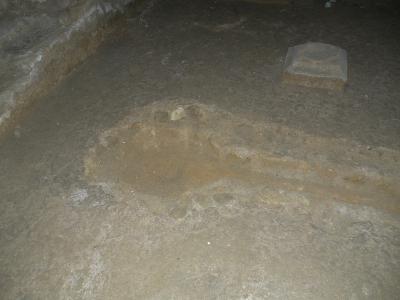
Crypte de l'Abbaye
Largest medieval crypt in Europe
From €11 Historic Architecture · Museums & Culture
Questions people ask
Quick Facts
Best Time to Visit
Mid-June to early September offers warm weather and ideal conditions for outdoor activities and sightseeing.