







- Where
- Corsica, Corsica
- Directions
- Directions
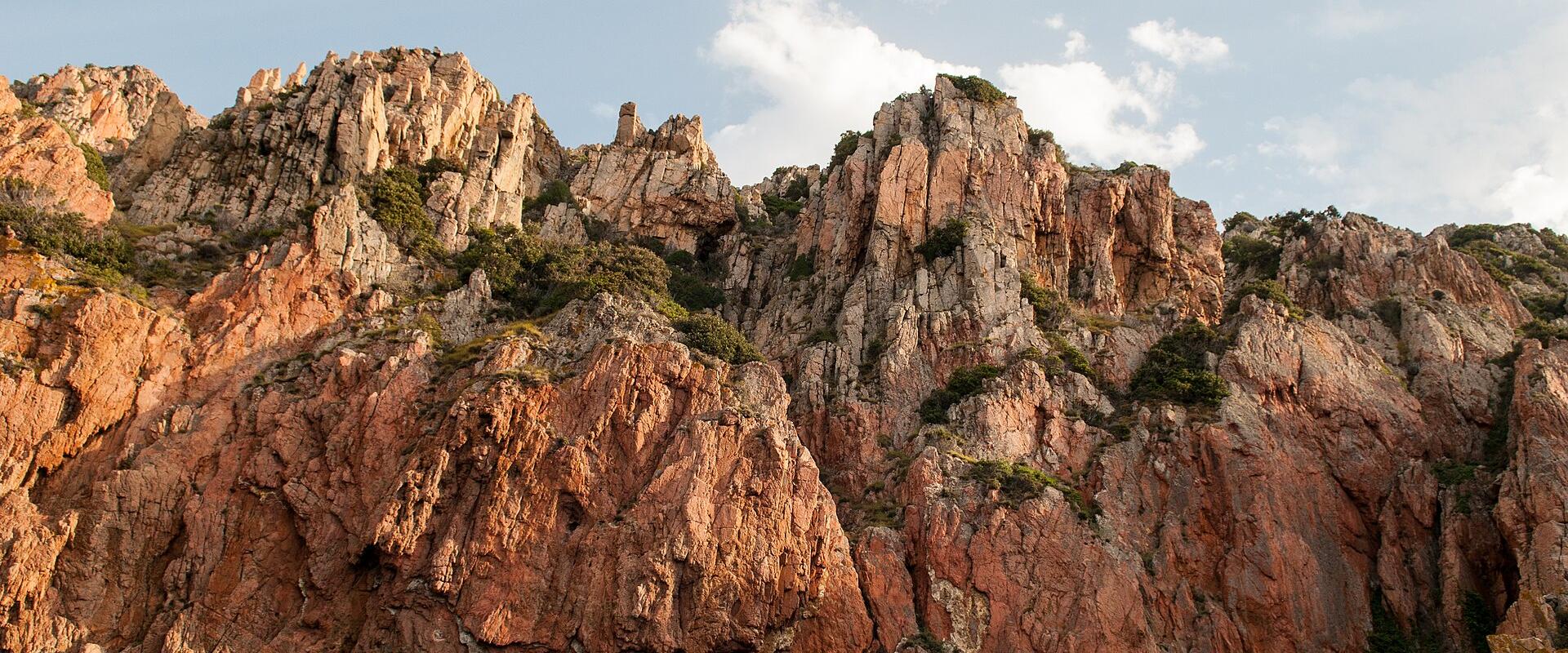
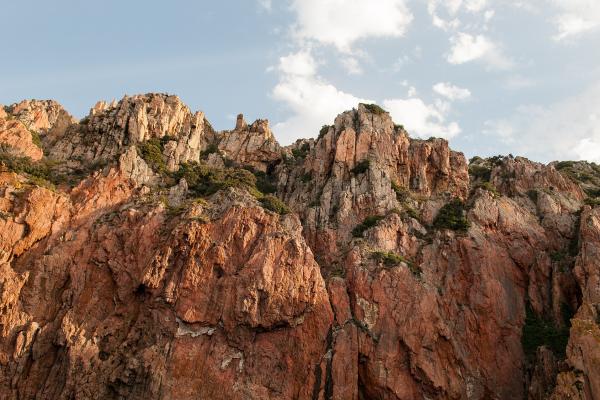
The Calanques de Piana are a stretch of deep red granite cliffs on Corsica's west coast, in the Corse-du-Sud, above the Gulf of Porto. The nearest base is the village of Piana itself, with Porto, the small resort at the head of the gulf, only a short drive away. The area belongs to the UNESCO World Heritage property named Gulf of Porto: Calanques of Piana, Gulf of Girolata, Scandola Reserve, listed in 1983, so it is part of the same protected coast as the Scandola Nature Reserve to the north.
The rock is granite, sculpted by wind and salt spray into pillars, arches, needles and hollowed boulders, a form of weathering that geologists call tafoni. At sunrise and late afternoon the stone burns orange and red against the deep blue of the sea and the green maquis scrub clinging to the slopes. The most famous way to see it is by road, along the D81, a narrow cliff route with hairpin bends and viewpoints where the rocks tower directly over the car. Driving slowly and using the pull-outs makes a big difference, since there is not much room.
On foot there are marked paths from the road that descend into the rocks, including a short, popular walk to a rock formation known as the Château Fort, which resembles a ruined citadel. Trails differ in length and difficulty, so choose according to your fitness, and carry water and sun protection, because there is little shade. Another approach is from the sea: boat trips leave from Porto and pass beneath the cliffs, which gives a sense of their true height and reveals inlets and caves that cannot be seen from above. Longer excursions from Porto and from Calvi, farther north, continue to Girolata and Scandola.
Piana, set high above the sea, is classified among the most beautiful villages of France, and its terraces look across the gulf toward the red cliffs, which is a good place to end the day. Porto has a Genoese tower and small beaches.
The light matters a great deal here: midday sun flattens the colours, while the hours around sunrise and sunset bring out the deepest reds, so plan your stops accordingly and bring a camera with a wide lens. Spring and early autumn are usually more comfortable than the height of summer, when the rock soaks up heat.
It suits drivers, walkers, photographers and boat-trip fans. Summer traffic on the D81 can be heavy, so start early, and take special care in wind or storms.
Categories
More photos coming soon
Nearby Attractions
Other places to visit in Corsica
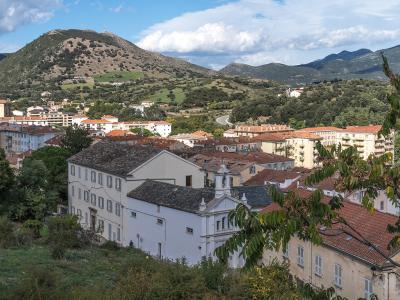
Corte Old Town
Former Corsican capital with an inland Genoese citadel
Guided Experiences · Historic Architecture
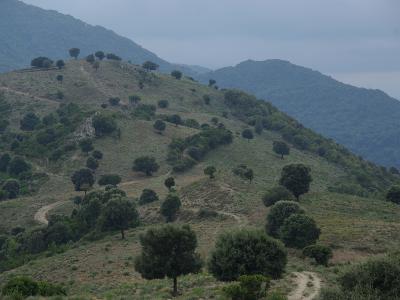
Parc Naturel Régional de Corse
Corsica's vast protected wilderness with UNESCO Gulf of P...
Free Coastal & Maritime · Nature & Parks
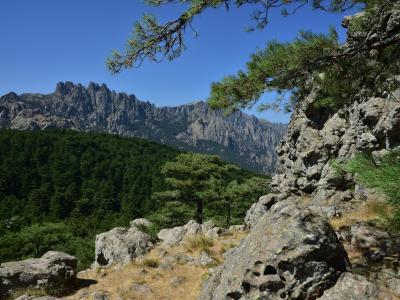
Gorges du Tavignano
14-km walk along the Tavignano River in Corsica
Free Nature & Parks · Geological Sites
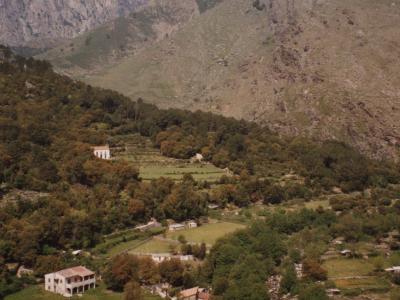
Citadelle de Corte
Corsica's only inland citadel, housing the Musée de la Corse
Fortresses · Heritage Trails
Questions people ask
Quick Facts
Best Time to Visit
May to June and September to October offer warm weather and fewer crowds for optimal exploration.