







Parc Naturel Régional de Corse
Corsica's vast protected wilderness with UNESCO Gulf of P...
- Admission
- Free admission
- Hours
- Monday through Friday, 9 am–12 pm
- Where
- Corsica, Corsica
- Directions
- Directions
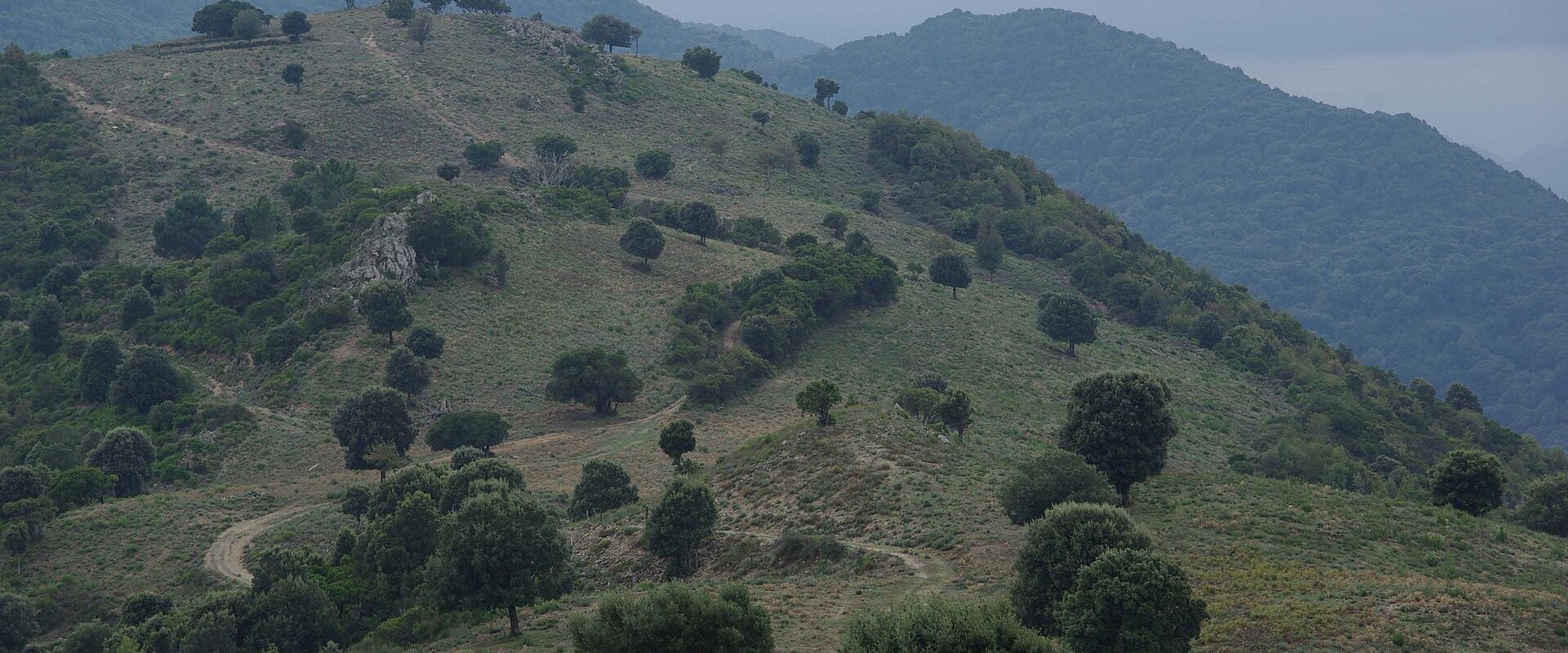
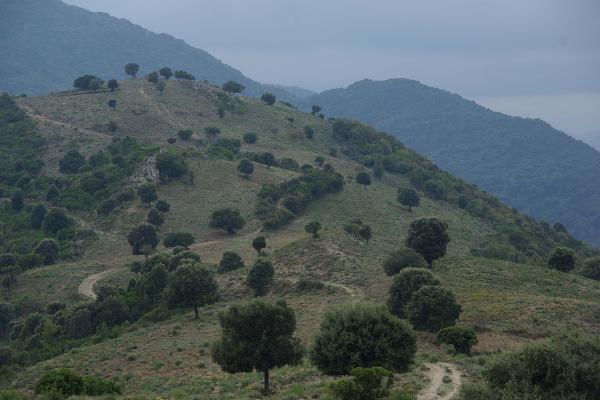
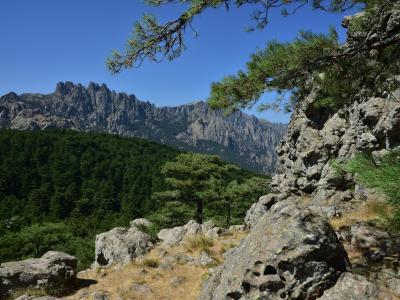
The Parc Naturel Régional de Corse is the largest protected area on the island, created in 1972 and covering well over a third of Corsica. It runs through the mountainous interior and reaches the coast in several places, spanning Haute-Corse and Corse-du-Sud. The terrain is dramatic: granite peaks, deep valleys, glacial lakes, forests of Corsican pine and chestnut, and maquis scrub that perfumes the air in summer. It is less a single destination than a framework that links the island's best-known wild landscapes.
Hiking is the main activity. Marked trails total well over a thousand kilometres, and the GR20, the long-distance route that crosses the island from north to south along the mountain spine, is the most famous. It is a demanding trek, usually walked in around two weeks, and considered one of the hardest in Europe, but the park also offers day walks and shorter routes that suit less experienced hikers. Monte Cinto, the highest peak on the island at over 2,700 metres, lies in the park, as do the Needles of Bavella, a jagged range of granite spires in the south that are popular for walking and climbing. Weather in the mountains can change quickly, so pack layers and check conditions.
The park also reaches the sea. The Gulf of Porto, with its red granite cliffs, and the Scandola Nature Reserve form a UNESCO World Heritage Site, inscribed in 1983 for their landscape and marine biodiversity, and they are typically explored by boat from Porto or Girolata. Nearby, the Calanques de Piana, rust-coloured rock formations rising from the sea, are one of the island's iconic sights and are included in the same coastal landscape. Boat trips run in season, and the reserve has restrictions to protect its wildlife, so follow local guidance.
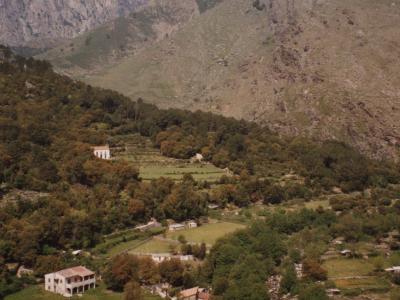
Corte, in the middle of the island, is a good base for exploring. The old university town on its rocky outcrop was the capital of the independent Corsican Republic under Pasquale Paoli in the eighteenth century, and its Citadelle de Corte dominates the skyline. From here the Gorges du Tavignano and other valley walks lead into the park. An information centre for the park is based in Corte, and it is a useful stop for maps, advice and trail conditions before you set out.
The park protects species such as the Corsican mouflon, the Corsican nuthatch and the bearded vulture, and a stretch of rivers and natural pools makes bathing in summer a pleasure. Many mountain villages inside the park are known for chestnut products, honey and cured meats, which you can buy at local shops. Late spring and early autumn are good times to visit, when it is warm enough for walking and the main trails are less crowded than in July and August. The park suits keen hikers, nature lovers and travellers who want to see the island away from its beaches.
Categories
More photos coming soon
Hours & Fees
- Open
- Monday through Friday, 9 am–12 pm
- Admission
- Free admission
Hours and prices change, especially out of season. Check with the venue before you go.
Nearby Attractions
Other places to visit in Corsica
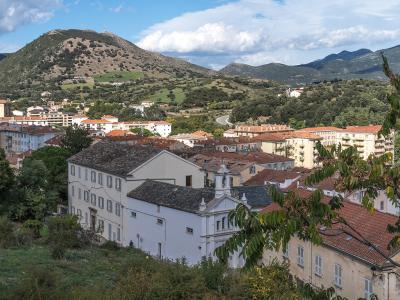
Corte Old Town
Former Corsican capital with an inland Genoese citadel
Guided Experiences · Historic Architecture
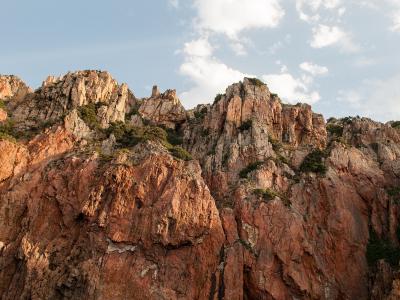
Calanques de Piana
UNESCO site with red granite in Corsica
Cliffs · Geological Sites
Gorges du Tavignano
14-km walk along the Tavignano River in Corsica
Free Nature & Parks · Geological Sites
Citadelle de Corte
Corsica's only inland citadel, housing the Musée de la Corse
Fortresses · Heritage Trails
Questions people ask
Quick Facts
Best Time to Visit
May to June and September to October offer warm weather and fewer crowds for optimal exploration.