







- Admission
- Free admission
- Hours
- Daily 9:00 AM – 5:00 PM (one source notes 6:00 PM)
- Where
- Vienne, Rhône-Alpes
- Directions
- Directions
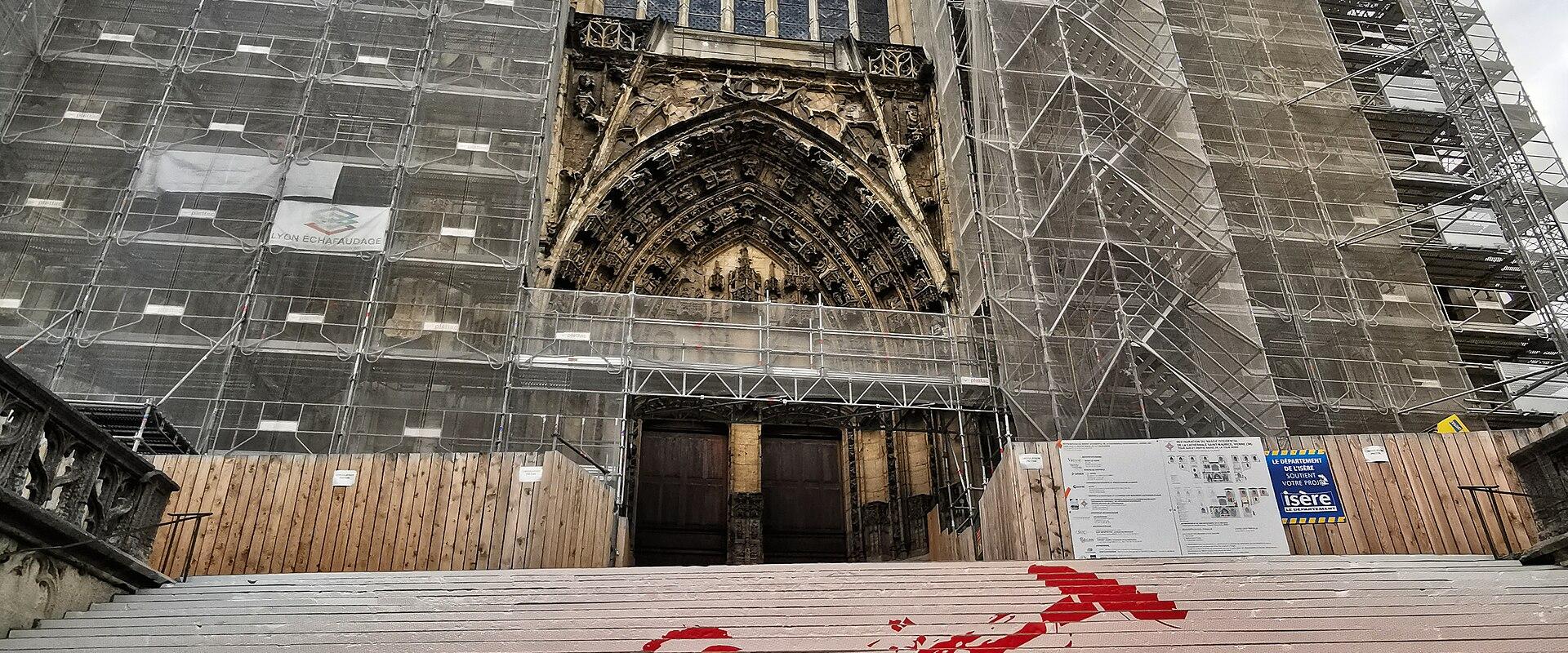
Vienne is a Rhône town an hour or so south of Lyon with one of the most important Roman remains in France, and its cathedral is the main medieval counterpart to them. The Cathédrale Saint-Maurice stands near the river in the old town and is a long, lofty church whose construction stretched over some four centuries. Building began in the twelfth century in the Romanesque style and continued in the Gothic style into the sixteenth century, so the building shows a gradual change of taste from its eastern end to its great western front.
The building is named after Saint Maurice, the commander of a Roman legion who was martyred in the Alps, according to tradition, for refusing to fight against fellow Christians. His cult spread across Burgundy and the Rhône valley, and Vienne became an important religious centre. The town was also a political one: in the ninth century it was the capital of a kingdom that included parts of Burgundy and Provence, and under the Carolingian and Burgundian rulers who held it, the church received important patronage. In 1311 and 1312 the Council of Vienne met here, under Pope Clement V, and its decisions included the suppression of the Order of the Knights Templar.
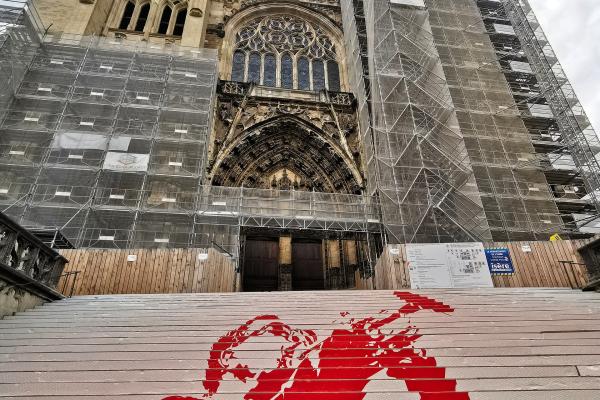
The west front is the first thing to see. Its three portals are decorated in flamboyant Gothic style from the late fifteenth and early sixteenth centuries, and the carved figures that fill them suffered during the Wars of Religion in the 1560s when Huguenot troops attacked images in the church. A long programme of restoration in the nineteenth century repaired much of the damage to the structure. Inside, the nave is unusually tall and long, with Romanesque piers and Gothic vaulting, and it has no transept. Visitors will notice the clear, unified space, along with sculpted capitals, tombs and chapels.
The cathedral is part of a rich historic centre. The Roman Theatre, built in the first century and large enough to seat thousands of spectators, is among the biggest in Gaul and hosts the Jazz à Vienne festival each summer. The Temple of Augustus and Livia, a remarkably well-preserved Roman temple, stands in the middle of town, and the Musée Gallo-Romain on the other side of the river at Saint-Romain-en-Gal shows mosaics and objects from the Roman city. The Musée de la Collégiale Notre-Dame and the Pont de Vienne are other nearby stops. Vineyards of the northern Rhône, including Côte-Rôtie and Condrieu, rise on the slopes close to the town.
Entry to the cathedral is free, and the church is open during the day, although visiting hours can change and services may restrict access. A visit takes around half an hour, longer for those who enjoy architectural detail. It suits history and architecture enthusiasts, travellers following the Rhône valley between Lyon and the south, and anyone wanting a calm, shaded space in the old town. Combine it with a walk around the old streets and a lunch beside the river to round off a day in Vienne.
Categories
More photos coming soon
Hours & Fees
- Open
- Daily 9:00 AM – 5:00 PM (one source notes 6:00 PM)
- Admission
- Free admission
Hours and prices change, especially out of season. Check with the venue before you go.
Nearby Attractions
Other places to visit in Vienne
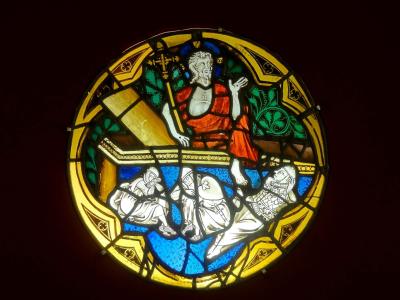
Musée de la Collégiale Notre-Dame
Gothic collegiate church in Villeneuve-lès-Avignon
Historic Architecture · Museums & Culture
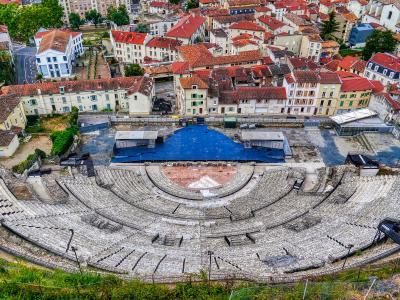
Roman Theatre of Vienne
1st-century theatre, capacity 13,000
Architectural Landmarks · History Museums
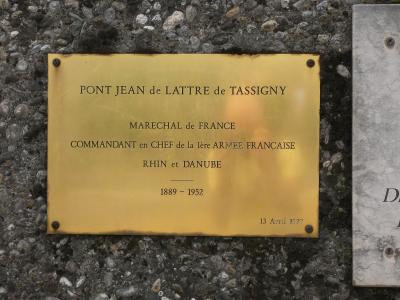
Pont de Vienne
Stone bridge in Vienne, Auvergne-Rhône-Alpes
Historic Architecture
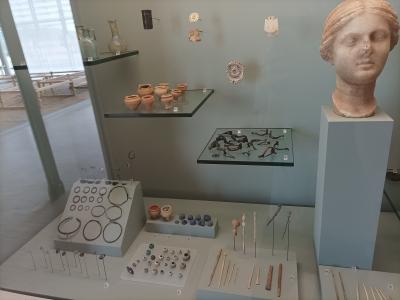
Musée Gallo-Romain
Gallo-Roman site with mosaics and baths
Guided Experiences · Historic Architecture
Questions people ask
Quick Facts
Best Time to Visit
Early July to mid-August offers warm weather and ideal conditions for outdoor activities and sightseeing.