
Vienne
Ancient Roman city on the Rhône with well-preserved temples and theater
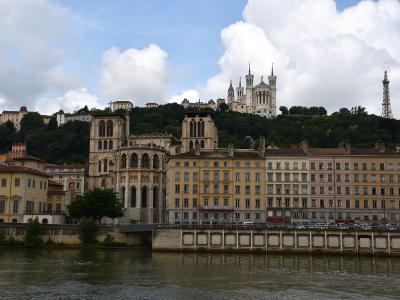
Vienne, situated in the Isère department of southeastern France, is a city with a profound historical and archaeological identity. Historically, it was founded by the Allobroges tribe and became a significant Roman colony under Emperor Augustus, known as Colonia Julia Viennensis. It served as the capital of the province of Gallia Narbonensis and later as a major ecclesiastical center. The city's Roman heritage is exceptionally well-preserved, with monuments that rival those in Arles and Nîmes. During the Middle Ages, Vienne was the seat of an archbishopric and a key stop on the pilgrimage route to Santiago de Compostela. The city also played a role in the Council of Vienne in the 14th century, which had significant implications for the Knights Templar. The city suffered damage during the French Wars of Religion and World War II but has retained much of its historic character.
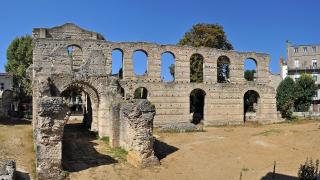
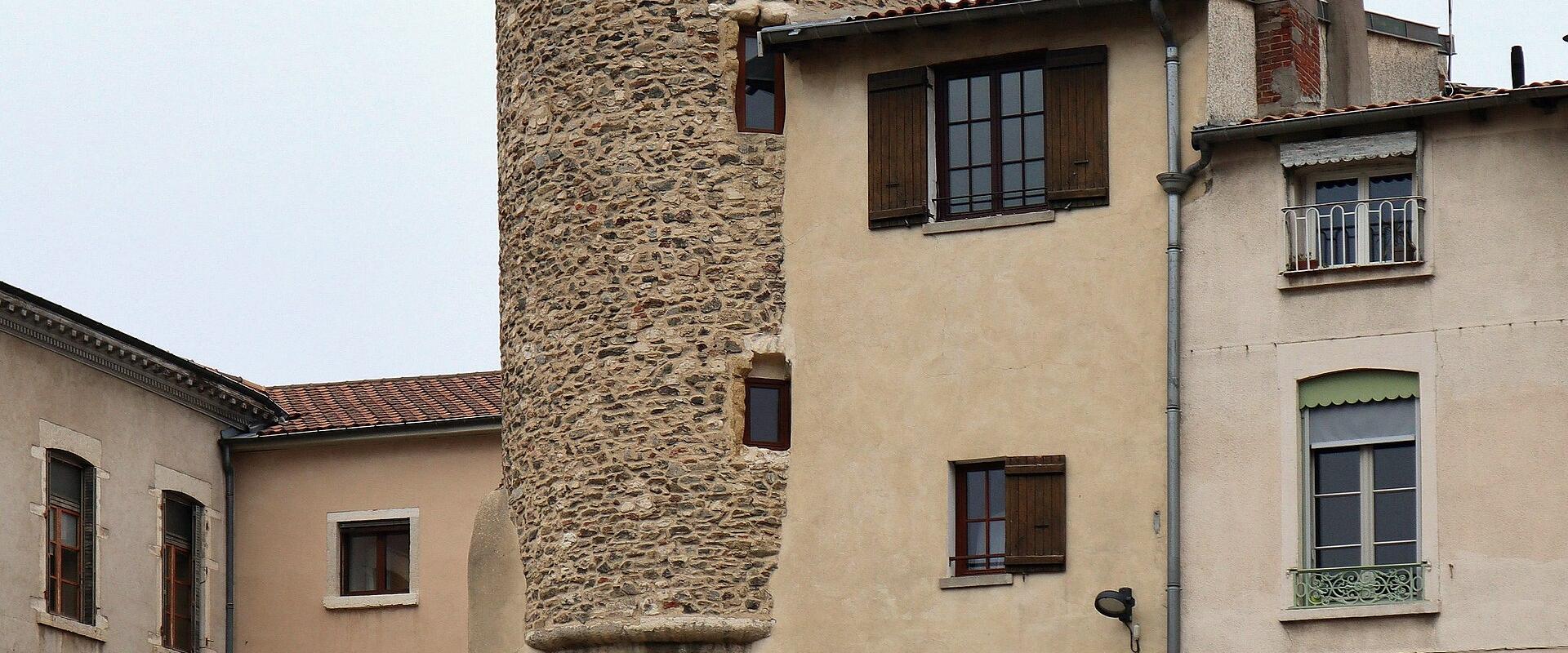
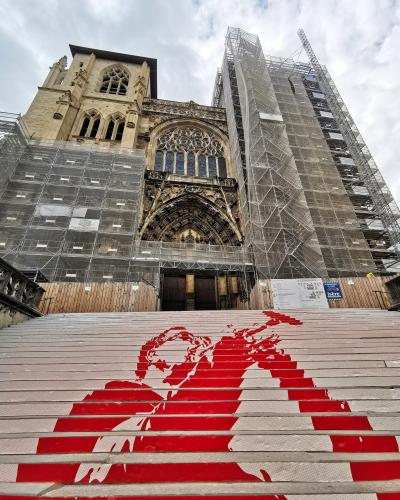
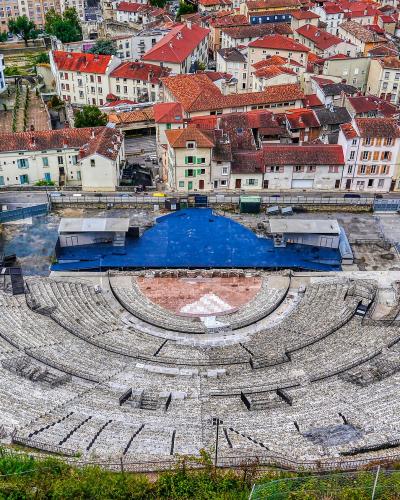
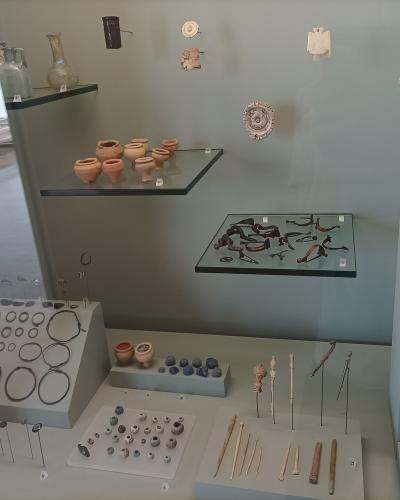
The main attractions in Vienne reflect its Roman and religious heritage. The Temple of Augustus and Livia is one of the best-preserved Roman temples in France, featuring Corinthian columns and a pediment. The Roman Theater, built in the 1st century AD, is still used for performances today and offers a glimpse into ancient entertainment. The Amphitheater, or Arènes, is another significant Roman structure, though less preserved than the theater. The Vienne Cathedral, a Gothic structure, houses a famous astronomical clock and a museum of religious art. The Musée Gallo-Romain, located in the old town, displays artifacts found in the city, including statues and inscriptions. The Tour de Valois, a medieval tower, offers panoramic views of the Rhône River and the surrounding landscape.
Vienne offers various activities for visitors interested in history, culture, and nature. Walking tours through the old town allow visitors to appreciate the architectural details and the layout of the ancient city. The Rhône River offers scenic walks and opportunities for canoeing. The city hosts various festivals throughout the year, including the Vienne Festival, which features music and theater. The local cuisine features Rhône Valley specialties, including fish from the river and local wines from the Côtes du Rhône appellation. The nearby town of Lyon is easily accessible for additional cultural attractions. The surrounding countryside offers hiking and cycling trails.
Getting to Vienne is convenient via train, with regular services from Lyon to Vienne station. The train station is located in the city center, making it easily accessible. For those traveling by car, Vienne is accessible via the A49 and A6 motorways. The best time to visit Vienne is from early July to mid-August, when the weather is warm and pleasant, ideal for exploring the outdoor attractions and walking tours. July and August are the warmest months, with average highs around 28°C, but also the busiest. Spring and autumn offer milder weather and fewer crowds, making them suitable for sightseeing and museum visits. Winter is cooler and quieter, offering a serene atmosphere for indoor museum visits. Vienne combines historical depth, artistic richness, and natural beauty, making it a compelling destination for travelers seeking an authentic Gallo-Roman experience.
Best Time to Visit
Early July to mid-August offers warm weather and ideal conditions for outdoor activities and sightseeing.
Did you know?
Interesting, verified facts about Vienne
Roman Temple Dedicated to Augustus
HistoryThe Temple of Augustus and Livia was built on the forum of the ancient city between 20 and 10 BC for the cult of Emperor Octavian Augustus and Rome.
Source: external sourceBirthplace of Cyclist Valentin Ferron
Notable PersonVienne, Isère is the birthplace of French cyclist Valentin Ferron, among other notable figures including Bernard Vallet and Benjamin Boyet.
Source: external sourcePlan Your Visit to Vienne
Essential travel tips and information for your trip to Vienne.
Suggested Itineraries
One Day in Vienne
1 dayPerfect for a quick visit. See the main highlights and get a taste of local culture.
Extended Vienne Experience
2-3 daysComprehensive exploration including nearby attractions and cultural experiences.
Travel Tips
Currency
EUR • Cards widely accepted
Language
French • English in tourist areas
WiFi
Free WiFi in cafes and hotels
Explore Vienne by Interest
Discover attractions and experiences in Vienne organized by your interests and travel preferences.
All attractions in Vienne
Sorted by our recommendation score
Quick Facts
Book your stay
Frequently Asked Questions
More destinations in Rhône-Alpes
Explore other amazing places in the Rhône-Alpes region