







- Where
- Vienne, Rhône-Alpes
- Directions
- Directions
The Musée Gallo-Romain stands on the right bank of the Rhône, in the commune of Saint-Romain-en-Gal, directly opposite the town of Vienne, and it is built on top of a Roman district that was part of the ancient city of Vienna. It is sometimes placed on the site of Lugdunum, which is the Roman name of Lyon, further north, but this museum is on the site of Vienna, a major Roman colony in the Rhône valley, which was famous for its wine and its wealth. The museum, opened in 1996, is a large modern building in glass and metal that stands beside the archaeological site, and a covered walkway links the exhibition halls to the ruins.
The site is one of the most important in France for the study of Roman everyday life. Excavations that began in the 1960s uncovered an entire residential and commercial district on the bank of the river, of about seven hectares, with streets, houses, shops, warehouses, baths and workshops of the first to the third centuries. The remains include the foundations of luxurious town houses with courtyards and gardens, heated floors, and paved streets, and the visitor can walk through the ruins on raised paths and see how the Romans lived and worked. Among the houses are several named for their mosaics, such as the House of the Ocean Gods, whose floors were decorated with scenes of marine deities, and the House of the Five Mosaics. Bathing was an important part of Roman life, and the remains of private and public baths show the system of hot and cold rooms and the heating by hypocausts.
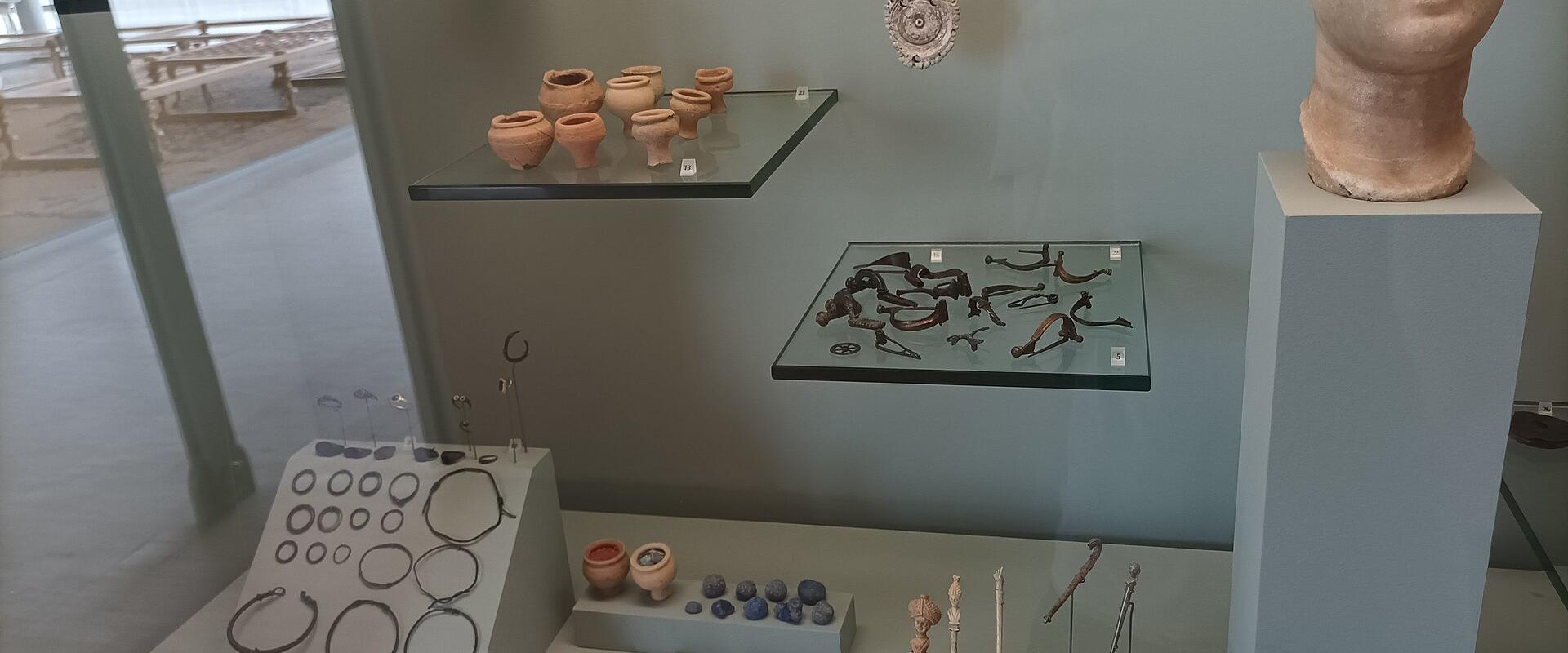
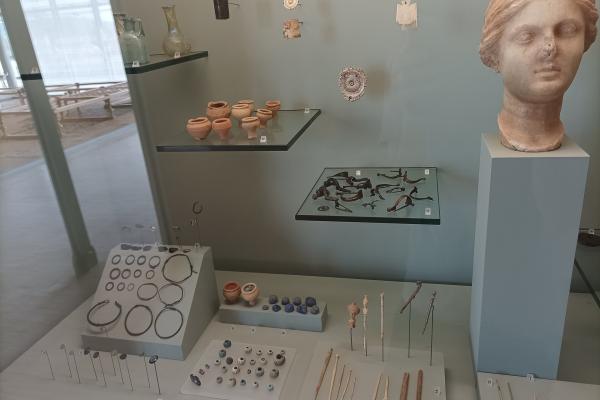
The museum itself displays the objects found in the excavations, among them mosaics, wall paintings, sculptures, glass, pottery, jewellery, tools and the equipment of trades. Mosaics are a particular strength, and a dedicated workshop is devoted to the restoration of mosaics, where visitors can watch specialists at work. A reconstructed garden shows the plants that Romans grew, and exhibits explain the importance of wine, olive oil, fish sauce and other goods that were traded along the Rhône. The Romans planted vines in the area around Vienna, and the slopes of the Côte-Rôtie, on the right bank, are still producing wine. The museum is designed for accessibility, with ramps and lifts, and it has displays that suit children.
The museum is open from Tuesday to Sunday, with longer hours in summer, from about the end of June to the end of August, and a closure on Mondays and some holidays. Admission is charged, with reduced rates for children, students and others, so check the details before you go. A visit takes around two hours.
A footbridge and a short walk lead to the centre of Vienne, on the opposite bank, where the Roman theatre, the Temple of Augustus and Livia and the Cathedral of Saint-Maurice stand. The museum of the Collégiale Notre-Dame is also in the town. The museum suits history lovers, families and anyone who is curious about Roman daily life.
More photos coming soon
Nearby Attractions
Other places to visit in Vienne
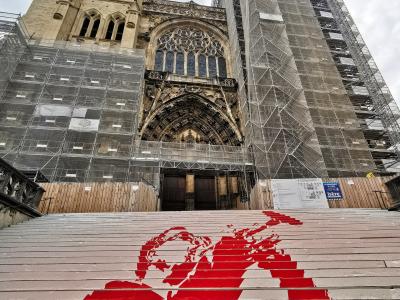
Cathedral of Saint-Maurice
12th-16th century Romanesque-Gothic cathedral
Free Architectural Landmarks · Churches
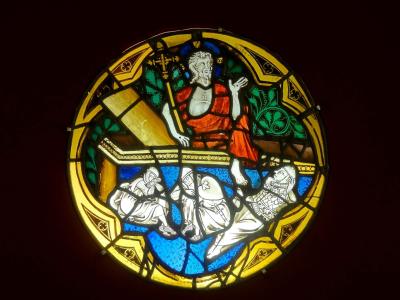
Musée de la Collégiale Notre-Dame
Gothic collegiate church in Villeneuve-lès-Avignon
Historic Architecture · Museums & Culture
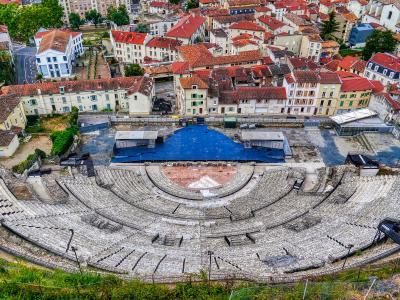
Roman Theatre of Vienne
1st-century theatre, capacity 13,000
Architectural Landmarks · History Museums
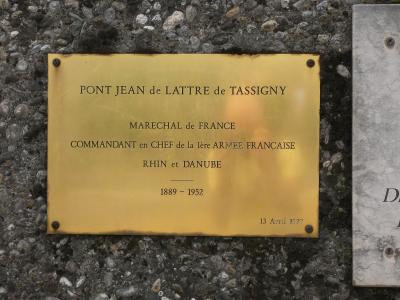
Pont de Vienne
Stone bridge in Vienne, Auvergne-Rhône-Alpes
Historic Architecture
Questions people ask
Quick Facts
Best Time to Visit
Early July to mid-August offers warm weather and ideal conditions for outdoor activities and sightseeing.