







- Where
- Vienne, Rhône-Alpes
- Directions
- Directions
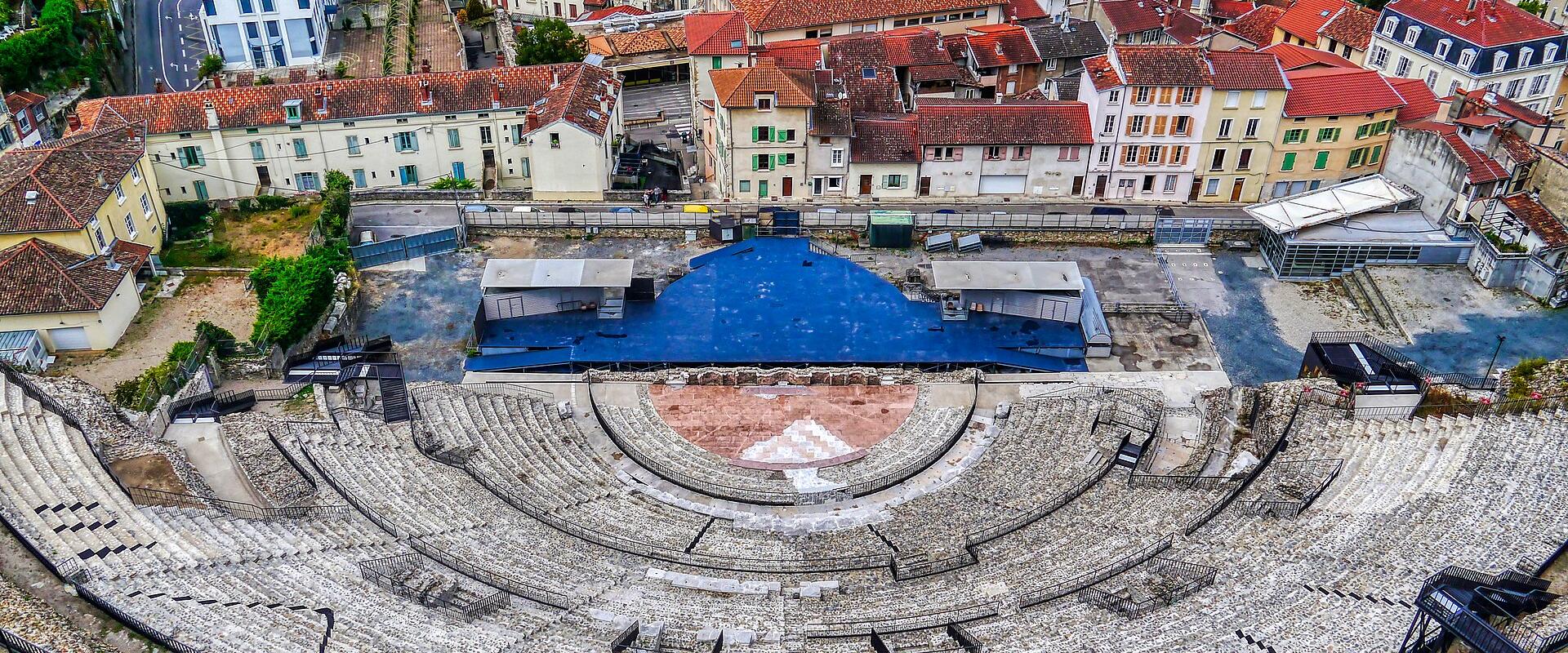
The Roman theatre of Vienne is one of the largest ancient theatres in France, built in the first century AD on the slope of the Pipet hill, in the town of Vienne on the Rhône, about thirty kilometres south of Lyon. It dates from the reign of the emperor Claudius, around 40 to 50 AD, and when it was new it could hold about thirteen thousand spectators, which made it the second largest theatre in Roman Gaul after the one at Autun. The size of the theatre shows how important Vienne was in antiquity, a prosperous colony on the road to the Mediterranean, with a large population, a forum and public buildings.
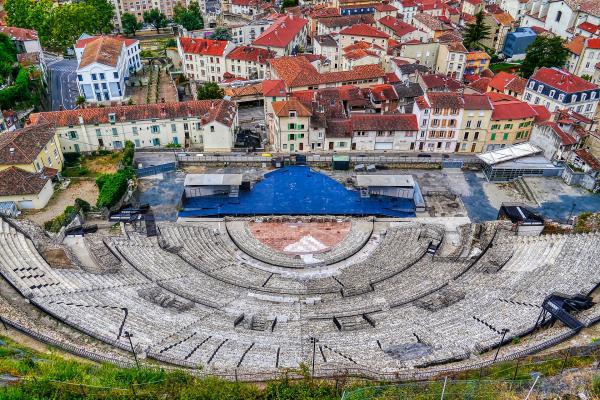
The theatre uses the natural slope. The semicircular seating area, the cavea, rises in tiers up the hillside, divided into sections by stairways, with the lower rows for the privileged citizens and the upper rows for the ordinary public. At the bottom lie the orchestra, a semicircle where dignitaries sat, and the stage, which was backed by an elaborate wall that has largely disappeared. Walking up the tiers gives an idea of the scale, and from the top the view over the town and the Rhône valley is excellent. Nearby are the remains of a smaller theatre, the Odeon, built in the second century for music and recitals, which can also be visited.
The site was buried and forgotten for centuries. Excavations began in the 1920s and continued over several decades, and the restoration, which rebuilt parts of the seating, gave the monument the form that we see now. Since then it has been used again for performances. The most famous event is the Jazz à Vienne festival, held every summer since 1981, when international musicians play before thousands of fans in the ancient setting. The theatre also hosts concerts of other kinds, opera and dance, and its open-air acoustics, a quality that the Romans designed carefully, are praised by performers.
The monument is open to visitors during the day, with seasonal hours and some closures on public holidays, and information is available in several languages. Entry is charged. When performances are in preparation, parts of the site may be closed. A visit takes about an hour.
Vienne is rich in Roman remains. In the town you can see the Temple of Augustus and Livia, the Pyramid of the Circus and the Musée Gallo-Romain across the river, as well as the Cathedral of Saint-Maurice and the Musée de la Collégiale Notre-Dame. The theatre suits history lovers, music fans and families who enjoy open-air ruins.
Categories
More photos coming soon
Nearby Attractions
Other places to visit in Vienne
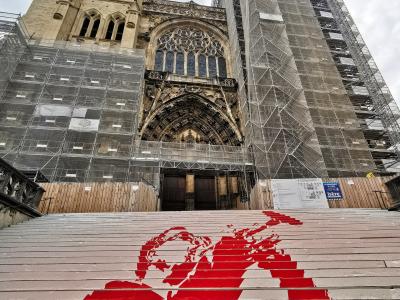
Cathedral of Saint-Maurice
12th-16th century Romanesque-Gothic cathedral
Free Architectural Landmarks · Churches
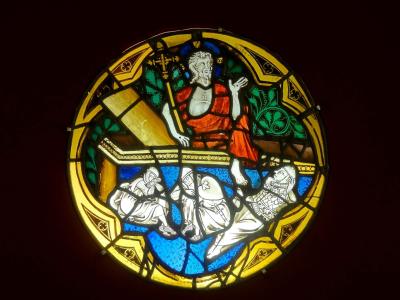
Musée de la Collégiale Notre-Dame
Gothic collegiate church in Villeneuve-lès-Avignon
Historic Architecture · Museums & Culture
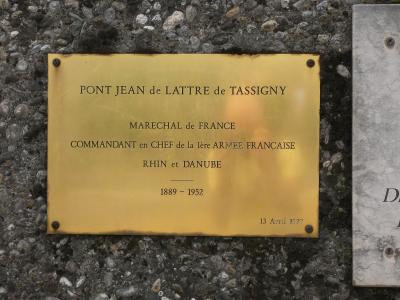
Pont de Vienne
Stone bridge in Vienne, Auvergne-Rhône-Alpes
Historic Architecture
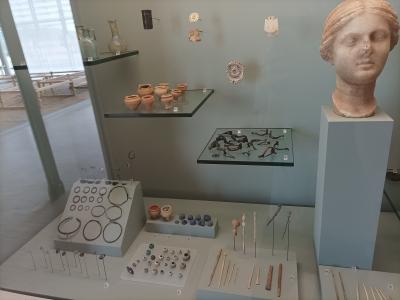
Musée Gallo-Romain
Gallo-Roman site with mosaics and baths
Guided Experiences · Historic Architecture
Questions people ask
Quick Facts
Best Time to Visit
Early July to mid-August offers warm weather and ideal conditions for outdoor activities and sightseeing.