







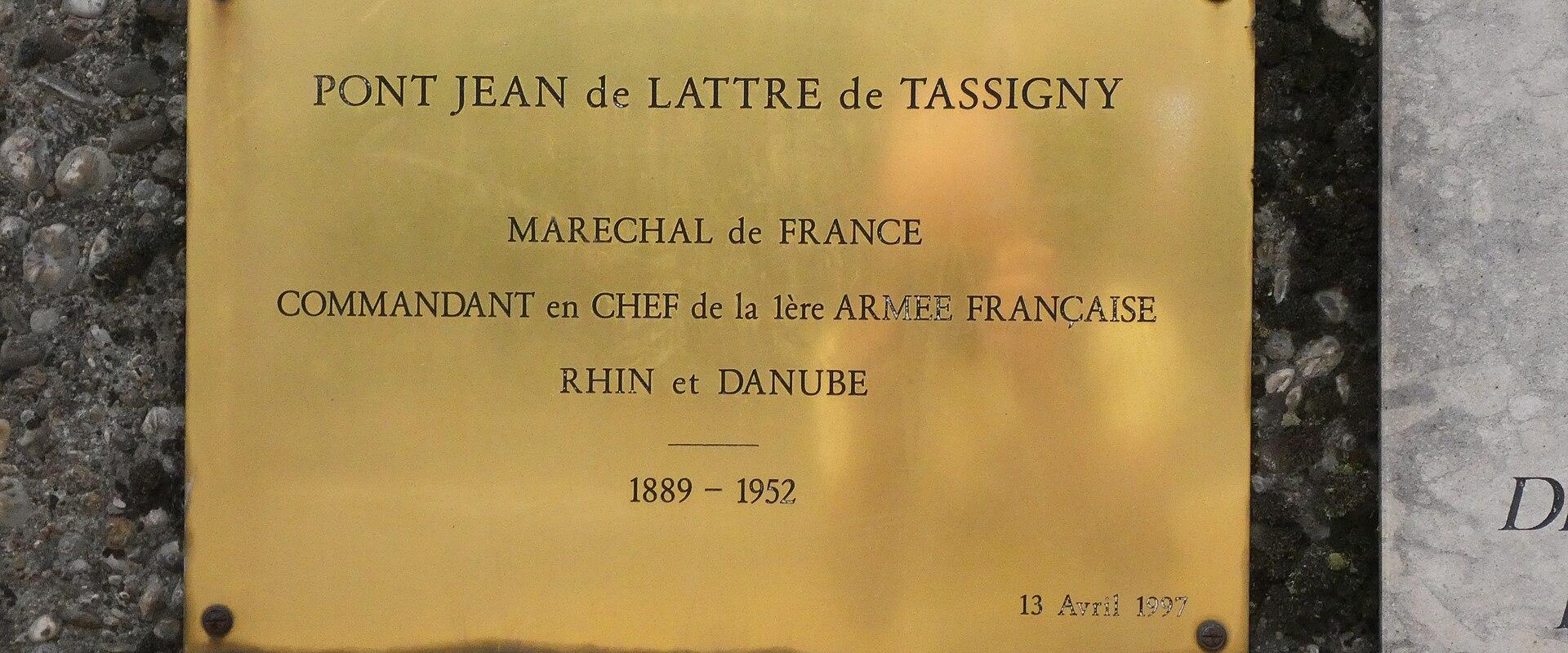
- Where
- Vienne, Rhône-Alpes
- Directions
- Directions
Vienne is a town in the Isère, on the left bank of the Rhône about thirty kilometres south of Lyon, and the river is the key to its history. The town, once the Roman Vienna, grew up where the Rhône valley narrows between steep hills, on the main road from Italy to the north, and its bridges connect it with the opposite bank, where the suburbs of Sainte-Colombe and Saint-Romain-en-Gal lie. Vienne stands on the Rhône, not the Isère river, and belongs to the region of Auvergne-Rhône-Alpes. Few details of this particular bridge are documented, so what follows describes the setting that a walk across it offers.
Crossing the river is the best way to appreciate how the town lies along the water. From the middle of a bridge, you look along the quays, where plane trees and old houses line the bank, and up to the hillsides that rise behind the town, crowned by the chapel of Notre-Dame de la Pipe. The Rhône is wide and fast here, and in earlier centuries it carried the traffic of the valley, with boats towed upstream by teams of horses. Vienne was a major Roman city, a colony of Julius Caesar and later of Augustus, and a Roman bridge once crossed the river here, though nothing visible survives.
The Roman heritage is the main reason to visit the town. The Temple of Augustus and Livia, a very well preserved Roman temple of the first century with a row of Corinthian columns, stands in the centre. The Roman theatre, cut into the hillside, is one of the largest in Gaul, with room for thousands of spectators, and every July it hosts the Jazz à Vienne festival, when musicians from around the world perform under the stars. The Pyramide du Cirque, a tall obelisk that marked the centre of the Roman racetrack, rises beside a road on the south side of the town. On the right bank, the Musée Gallo-Romain at Saint-Romain-en-Gal is built on the site of a Roman district and shows mosaics, wall paintings and the remains of houses and workshops.
The Cathedral of Saint-Maurice, a large Gothic church built between the twelfth and sixteenth centuries, has a long nave, a rich west front with carved portals and a series of tall pillars, and it is one of the most impressive churches of the region. The Musée de la Collégiale Notre-Dame, a church of the old town, tells part of the story of the early Church. The town is also known for its restaurants, as the chef Fernand Point made Vienne one of the capitals of French gastronomy in the twentieth century.
Walking across the bridge is free and takes only a few minutes, and the quays are good for a stroll in the evening. The town suits history lovers, music fans in July and anyone exploring the Rhône valley.
Categories
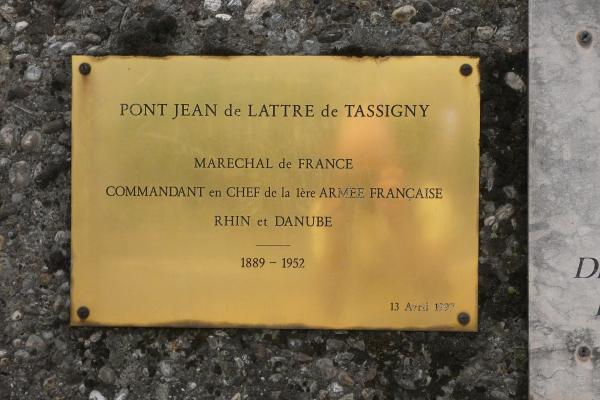
More photos coming soon
Nearby Attractions
Other places to visit in Vienne
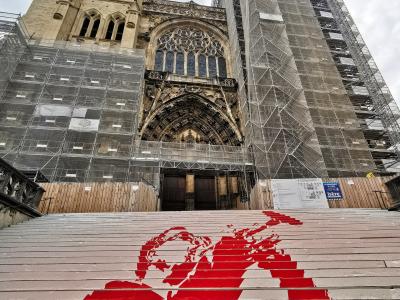
Cathedral of Saint-Maurice
12th-16th century Romanesque-Gothic cathedral
Free Architectural Landmarks · Churches
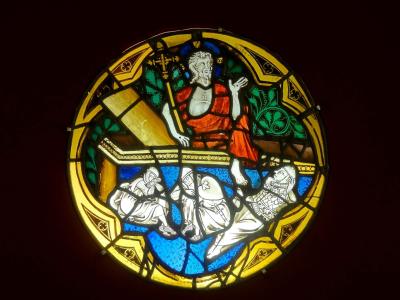
Musée de la Collégiale Notre-Dame
Gothic collegiate church in Villeneuve-lès-Avignon
Historic Architecture · Museums & Culture
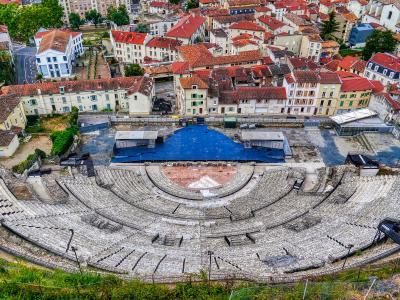
Roman Theatre of Vienne
1st-century theatre, capacity 13,000
Architectural Landmarks · History Museums
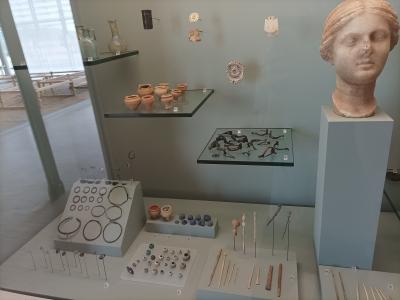
Musée Gallo-Romain
Gallo-Roman site with mosaics and baths
Guided Experiences · Historic Architecture
Questions people ask
Quick Facts
Best Time to Visit
Early July to mid-August offers warm weather and ideal conditions for outdoor activities and sightseeing.