







- Admission
- €17 standard, €15 reduced. Gardens free.
- Hours
- Daily 9:00 AM - 6:00 PM; Closed Tuesdays
- Where
- Fontainebleau, Île-de-France
- Directions
- Directions
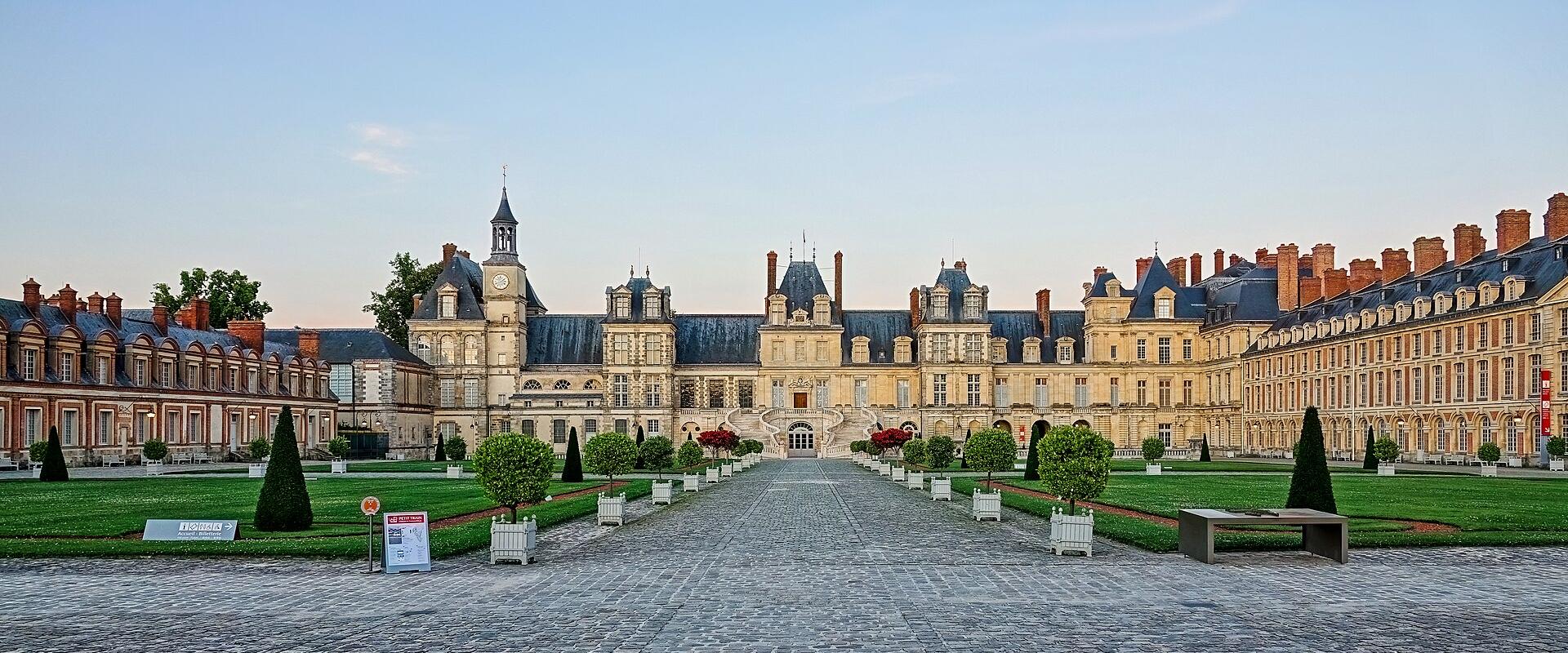
The Château de Fontainebleau is a royal and imperial palace set in a large park on the edge of the Forêt de Fontainebleau, about an hour south of Paris in France. Unlike Versailles, which was built to a single plan, Fontainebleau grew over seven centuries, with each ruler adding to it. Nearly every French sovereign from the Middle Ages to Napoleon III lived here, and its mix of styles shows that long inheritance. The palace is a UNESCO World Heritage site.
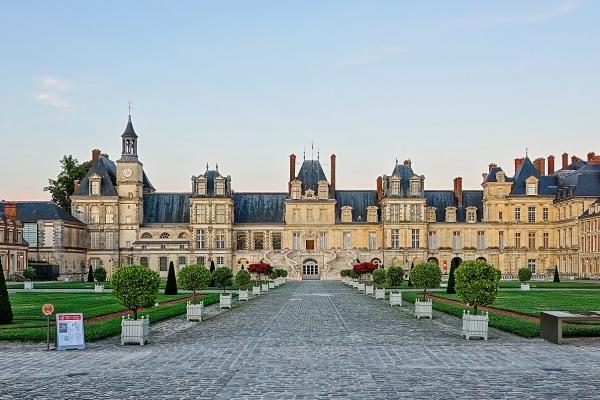
The decisive period was the reign of François I in the sixteenth century. He brought Italian artists, among them Rosso Fiorentino and Primaticcio, to decorate the interiors in a new manner of stucco, painted panels and rich ornament that became known as the School of Fontainebleau. The Galerie François Ier is the best surviving example. Henri II added the ballroom with its coffered ceiling, and later kings, notably Henri IV and Louis XIII, built more wings and the famous horseshoe staircase in the main courtyard, the Cour du Cheval Blanc.
That courtyard is also linked to Napoleon I, who spent much time at Fontainebleau and refurnished it after the Revolution. In April 1814 he took leave of his guard here before leaving for exile on Elba, and for that reason the courtyard is also called the Cour des Adieux. The Napoleon I Museum, included in the visit, displays the emperor's personal objects, uniforms and gifts. The Grands Appartements show the state rooms, the chapel and the throne room, as well as rooms used by the imperial family.
Outside, the gardens deserve as much time as the interior. The Grand Parterre is attributed to the great landscape designer Le Nôtre, a long carp pond lies on one side, and the Jardin de Diane and the Jardin Anglais offer calmer, more intimate settings. The park and its canal are open to walkers and cyclists, and the forest beyond is a popular area for hiking and rock climbing.
The palace is closed on Tuesdays, and opening times differ between seasons, so check before travelling. Allow at least two hours for the interiors, and extra time for the gardens. Guided and audio visits give context to the layers of history, and visitors interested in French art, Renaissance decoration and imperial history will find it far less crowded than Versailles. The town of Fontainebleau, with its market and cafes, is a short walk from the gates.
Categories
More photos coming soon
Hours & Fees
- Open
- Daily 9:00 AM - 6:00 PM; Closed Tuesdays
- Admission
- €17 standard, €15 reduced. Gardens free.
Hours and prices change, especially out of season. Check with the venue before you go.
Nearby Attractions
Other places to visit in Fontainebleau
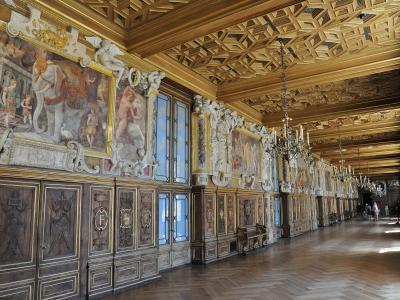
Galerie François Ier
16th-century gallery with Italian Renaissance frescoes
Historic Architecture · Museums & Culture
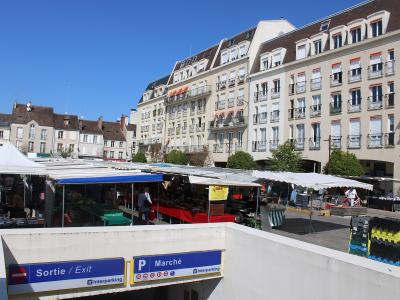
Marché de Fontainebleau
Weekly open-air market in historic Fontainebleau
Free Urban Exploration
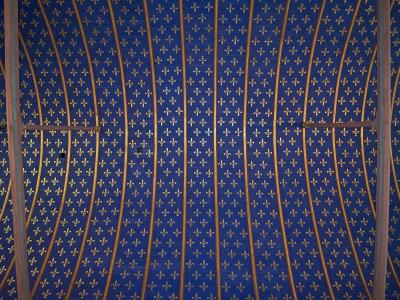
Salle des États
UNESCO palace room for Napoleon's abdication
Art Museums · History Museums
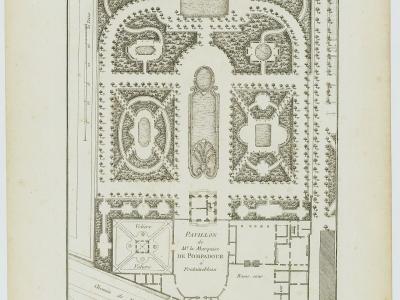
Jardin du Roi
Royal gardens with lakes and fountains
Castles · Gardens
Questions people ask
Quick Facts
Best Time to Visit
April to June and September to October offer mild weather and fewer crowds for optimal exploration.