







- Where
- Fontainebleau, Île-de-France
- Directions
- Directions
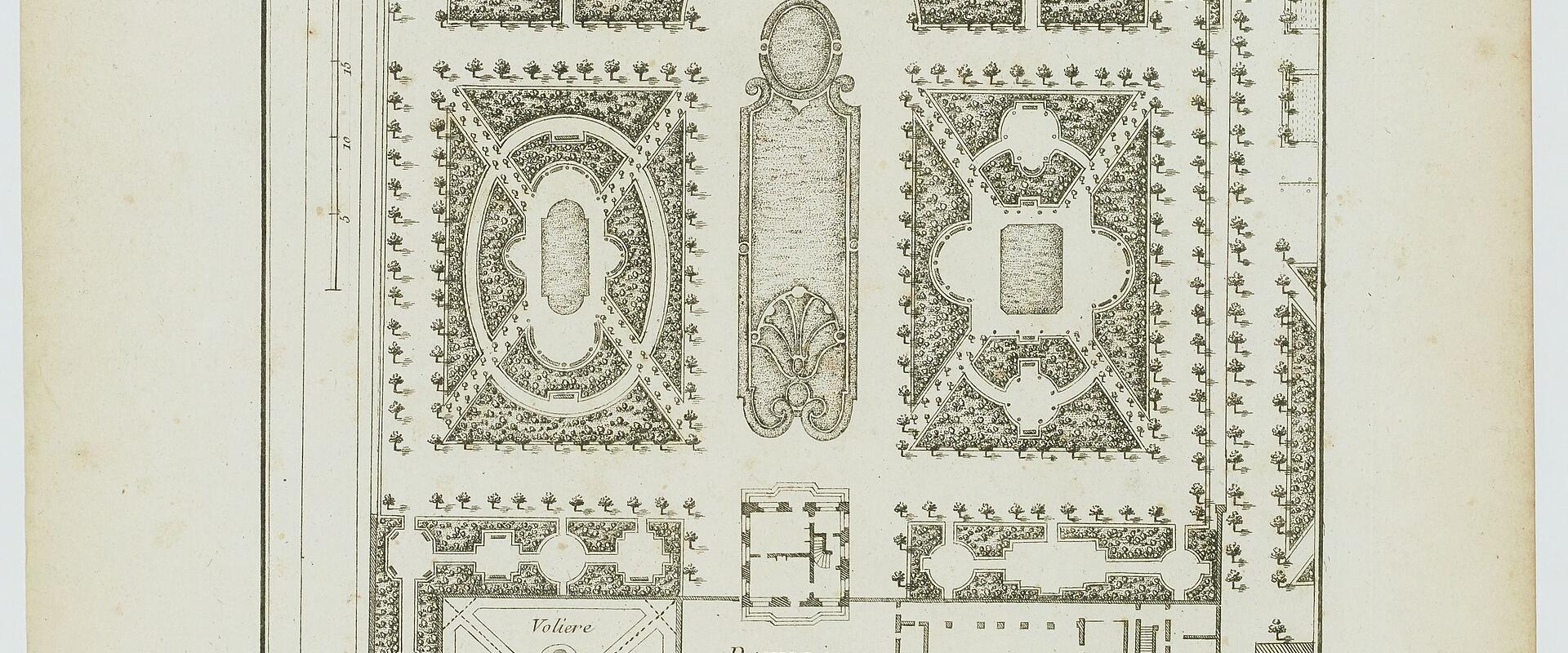
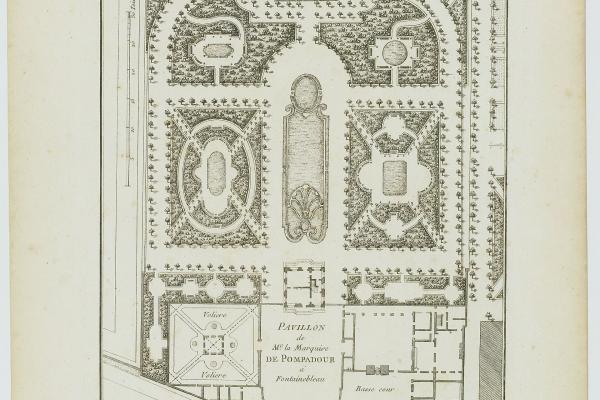
The gardens of the Château de Fontainebleau are among the oldest and most varied in France, and the Jardin du Roi, the King's Garden, is one of the spaces in which royal taste can be seen at work. The name is often used for the Garden of Diana, which was laid out for Henri IV in the 1590s on the north-west side of the château, and for the formal gardens beside the palace. Whichever name is used, the garden belongs to the park of the château, and it is open to the public free of charge during the day.
The gardens of Fontainebleau passed through many hands, and each ruler left a mark. Francis I created a first garden in the sixteenth century, with the Italian taste that he brought to the palace. Henri IV reworked the grounds around 1600, and for the Garden of Diana a bronze fountain of Diana the huntress was designed, from which the garden takes its name. A copy now stands on the site, since the original is in the Louvre. He also commissioned a great canal, about 1,200 metres long, which stretches across the park and reflects the sky. Under Louis XIV, the garden designer André Le Nôtre rearranged the Grand Parterre, a vast space of lawns, hedges and paths that is among the largest formal gardens in Europe. In the early nineteenth century, Napoleon had the English garden created, with winding paths, a lake and old trees, in contrast to the formal geometry.
The result is a mixture of symmetric order and natural landscape. Fountains and ponds bring movement and sound, and the lawns are bordered by neat hedges and tall trees. The carp pond beside the château, with its pavilion, is a favourite place to watch the fish, which are said to be descendants of the royal carp. Visitors can walk from the formal gardens to the quiet paths of the English garden in a few minutes, and the setting changes with the seasons, from spring flowers to autumn leaves.
The park is open daily during daylight hours, and a stroll takes one to three hours. The château itself is open every day except Tuesday and certain holidays, with seasonal hours, and tickets are charged for the interiors.
The gardens suit walkers, families and anyone who wants a quieter experience than the busy rooms of the palace. The nearby Forêt de Fontainebleau, with its sandstone rocks, the Cour du Cheval Blanc and the Galerie François Ier are within walking distance, and the Château de Vaux-le-Vicomte is a short drive away.
More photos coming soon
Nearby Attractions
Other places to visit in Fontainebleau
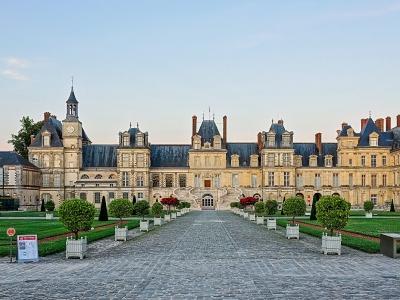
Château de Fontainebleau
Historic royal palace with extensive park
From €15 Castles · Gardens
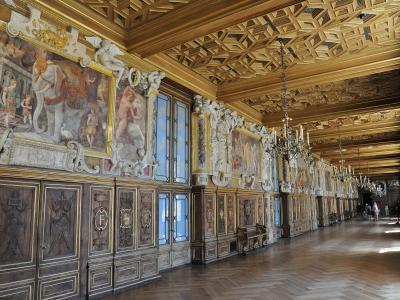
Galerie François Ier
16th-century gallery with Italian Renaissance frescoes
Historic Architecture · Museums & Culture
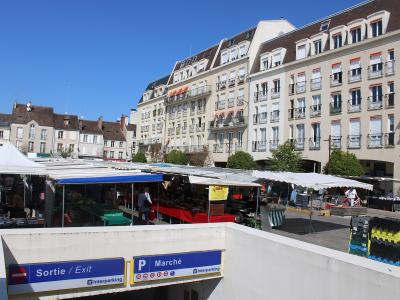
Marché de Fontainebleau
Weekly open-air market in historic Fontainebleau
Free Urban Exploration
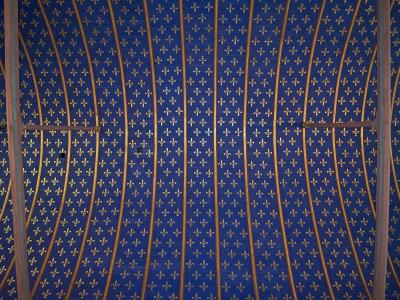
Salle des États
UNESCO palace room for Napoleon's abdication
Art Museums · History Museums
Questions people ask
Quick Facts
Best Time to Visit
April to June and September to October offer mild weather and fewer crowds for optimal exploration.