







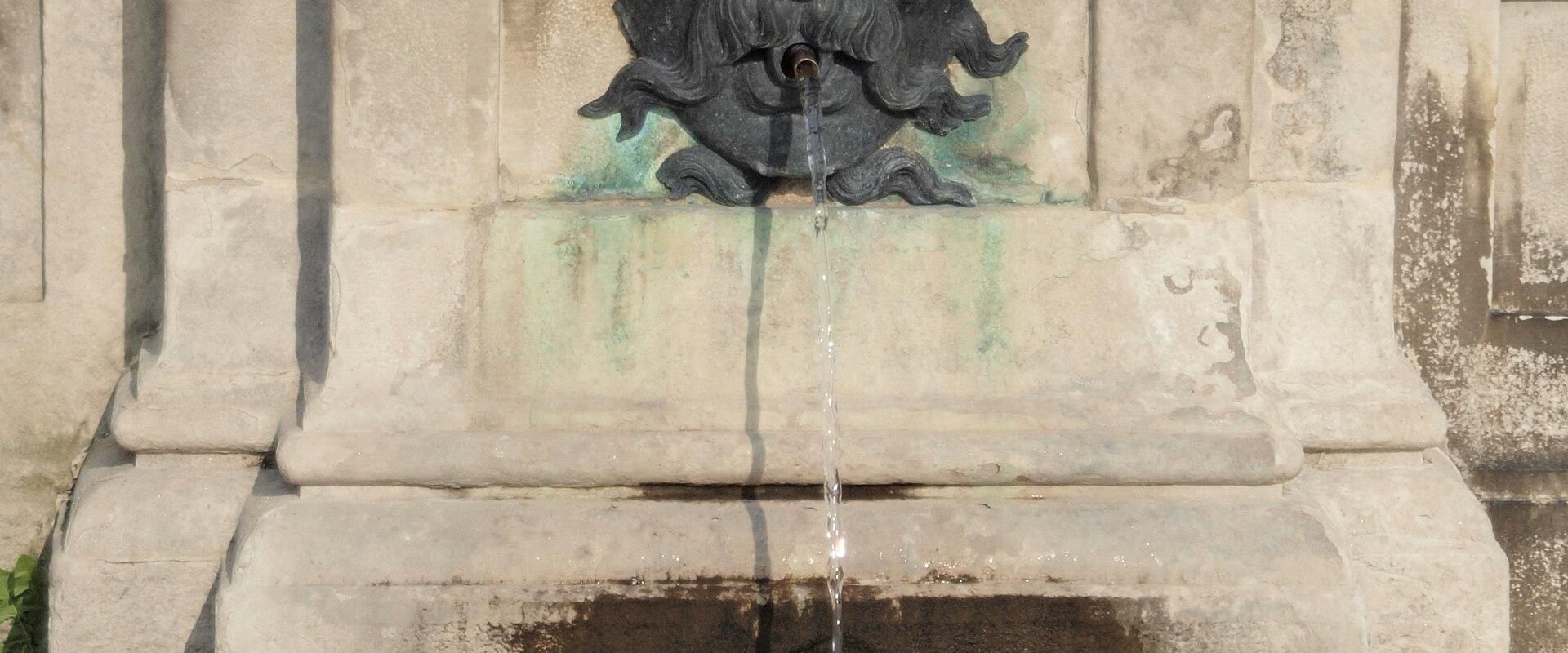
Cour du Cheval Blanc
Renaissance courtyard featuring the Horseshoe Staircase
- Where
- Fontainebleau, Île-de-France
- Directions
- Directions
The Cour du Cheval Blanc, the White Horse Courtyard, is the largest courtyard of the Château de Fontainebleau and the one that visitors see first, on the side of the palace that faces the town. It is also known as the Cour des Adieux, the courtyard of farewells, because of a famous scene that took place here on 20 April 1814. Napoleon, who had been forced to abdicate after the defeat of his armies, came down the great staircase and bade farewell to the soldiers of the Old Guard before leaving for exile on the island of Elba. The emperor embraced the general commanding the guard and kissed the flag, and many of the soldiers wept. The scene was painted and engraved many times and is among the best known of the Napoleonic story.
The courtyard itself was created in the sixteenth century. François I, who began the transformation of the old castle into a Renaissance palace in 1528, had an old convent of Trinitarian monks demolished to make room for it, and the new court was lined with wings built on his orders, which were completed around 1540. It is an unusually large, open space of irregular shape, and the buildings around it are plain and low, built of rubble and plaster with dressings of brick and stone, since the local sandstone was unsuitable for fine carving. As a result, the exterior looks modest, even austere, compared with the richly decorated rooms inside, which were painted by Italian artists such as Rosso Fiorentino and Francesco Primaticcio.
Several features stand out. At the south-west corner stands the Porte Dorée, the Golden Gate, a loggia rebuilt for François I and decorated with frescoes, whose design was inspired by the ducal palace of Urbino. The Salle de Bal, the ballroom, was begun under François I and completed under Henri II, and it is in the wing that runs along the garden, with a magnificent painted ceiling. On the east side, the Louis XV wing, added in the eighteenth century, closes the court and gives it a more regular shape. The most famous element is the horseshoe staircase, the Escalier du Fer-à-Cheval, which was built in the 1630s by the architect Jean Androuet du Cerceau for Louis XIII. Its two curving flights of steps rise from the courtyard to the main entrance of the palace, and the shape makes it one of the most photographed staircases in France. The name of the court is said to refer to a plaster cast of a famous equestrian statue that stood here in the seventeenth century.
The courtyard is free to enter and open to everyone, and it forms the start of the palace tour. The château itself has opening hours and tickets, and it is closed on Tuesdays. The best light for photographs is in the afternoon. The Forêt de Fontainebleau, the Jardin du Roi and the Galerie François Ier are among the places to visit nearby. The courtyard suits history lovers and photographers.
Categories
More photos coming soon
Nearby Attractions
Other places to visit in Fontainebleau
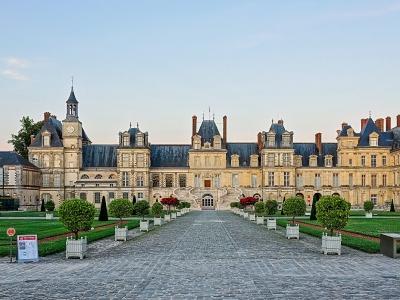
Château de Fontainebleau
Historic royal palace with extensive park
From €15 Castles · Gardens
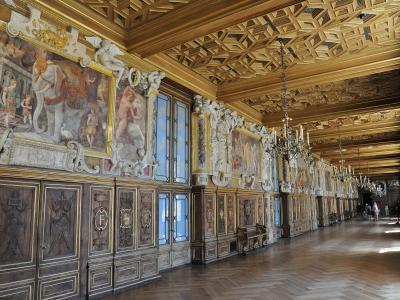
Galerie François Ier
16th-century gallery with Italian Renaissance frescoes
Historic Architecture · Museums & Culture
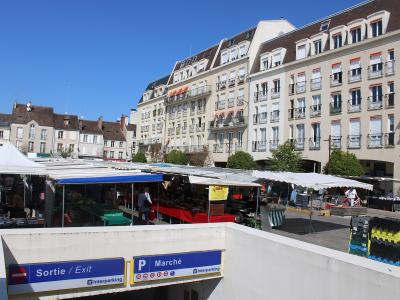
Marché de Fontainebleau
Weekly open-air market in historic Fontainebleau
Free Urban Exploration
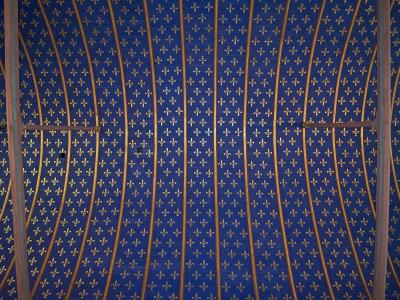
Salle des États
UNESCO palace room for Napoleon's abdication
Art Museums · History Museums
Questions people ask
Quick Facts
Best Time to Visit
April to June and September to October offer mild weather and fewer crowds for optimal exploration.