







- Admission
- Free admission
- Hours
- Mon-Thu 2:30 PM-5:00 PM; Daily 9:00 AM-12:00 PM and 2:00 PM-5:30 PM
- Where
- Dijon, Burgundy
- Directions
- Directions
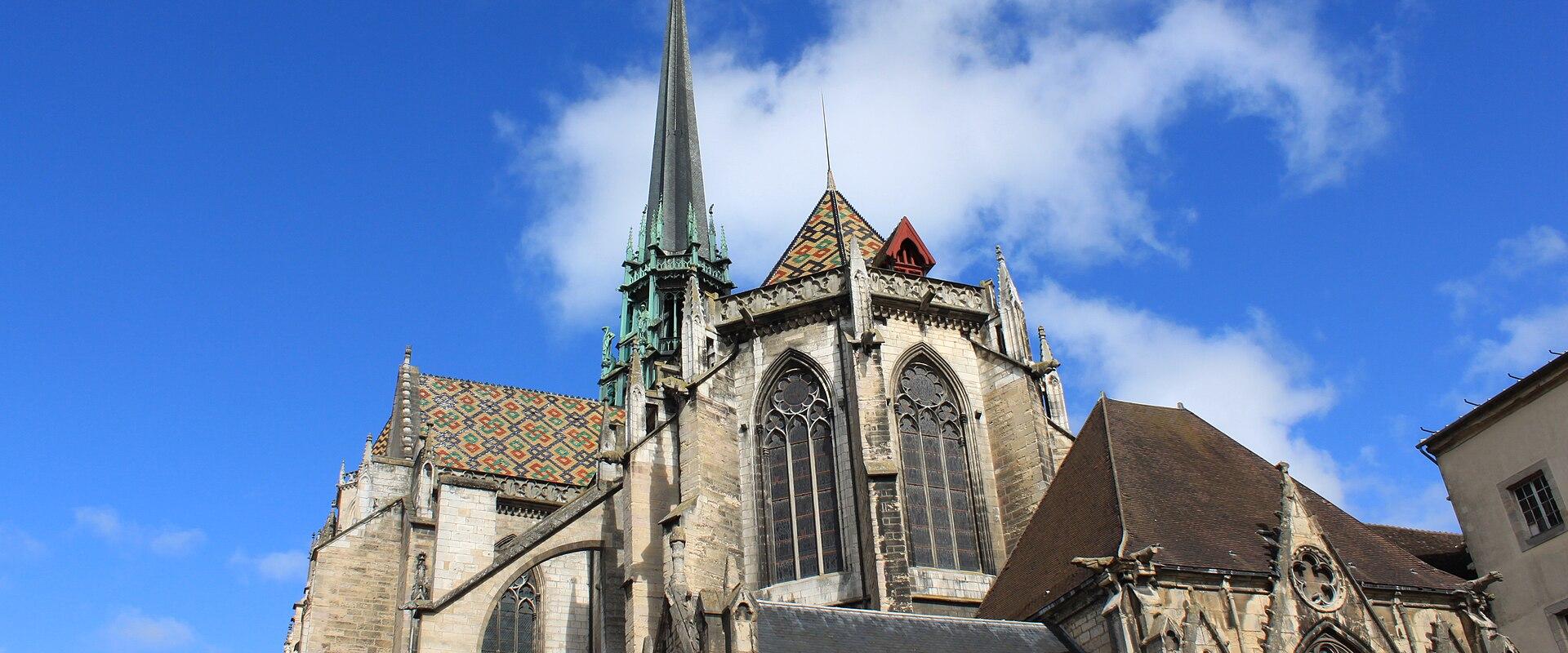
Dijon's Saint-Bénigne is a church where the visitor can read the history of a city in layers, from a saint's tomb to a Romanesque abbey to the Gothic building that stands today. The building lies a little west of the dukes' palace, in the quarter that grew around the abbey, and it is the cathedral of Dijon, which became the seat of an archdiocese in 2002.
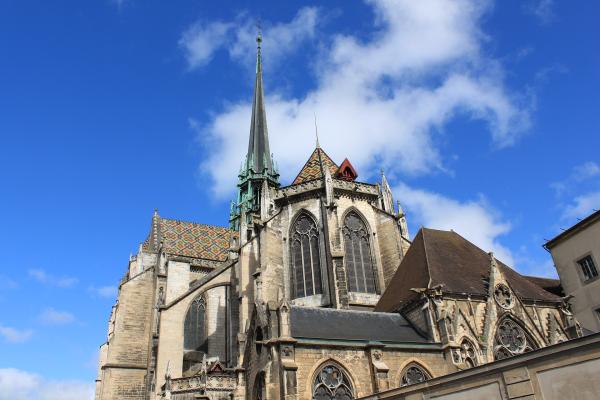
The present church was built in the late thirteenth and early fourteenth centuries, after the previous abbey church had been badly damaged. It is a plain, powerful example of Burgundian Gothic, with a broad nave and no great ornament on the walls, so that the eye is drawn to the proportions of the space and to the daylight. The west front has two towers and a portal whose sculptures were damaged in the Revolution, and the tall spire above the crossing is a nineteenth-century addition. The roof, with its steep pitch and coloured tiles, is the kind of Burgundian roof that visitors see in Dijon's old town and at the Hospices de Beaune.
The organ is one of the cathedral's treasures. Built in the middle of the eighteenth century by the German organ builder Karl Joseph Riepp, it is a rare surviving example of a large instrument from that period and occupies a handsome case in the nave. Recitals are held at certain times, and hearing it is an unforgettable experience for music lovers. The stained glass is more recent than the building and filters the light into soft colours, particularly in the morning and late afternoon, and the cathedral is calm even when the town outside is busy.
The real surprise lies below. Beneath the east end of the church, the crypt holds remains of earlier buildings, including part of the Romanesque rotunda built around the year 1000 by Abbot William of Volpiano and an even older sanctuary that housed the tomb of Saint Bénigne. The columns and vaults here give a sense of how different the building was in the age of the abbey, and the atmosphere is dark and quiet. Visiting hours for the crypt may be separate from those of the church, so ask on the day.
Next to the cathedral, the Musée Archéologique occupies the abbey's old dormitory and chapter house, and its collections extend back to prehistory. The Place Saint-Bénigne and the streets around it are lively with cafés. From here, the Palais des Ducs de Bourgogne, the Rue de la Liberté, the Musée des Beaux-Arts and the Jardin de l'Arquebuse are all within a short walk. The church suits history and music enthusiasts as well as anyone who enjoys a quiet interior, and entry is free. Opening times vary, and services take priority.
Categories
More photos coming soon
Hours & Fees
- Open
- Mon-Thu 2:30 PM-5:00 PM; Daily 9:00 AM-12:00 PM and 2:00 PM-5:30 PM
- Admission
- Free admission
Hours and prices change, especially out of season. Check with the venue before you go.
Nearby Attractions
Other places to visit in Dijon
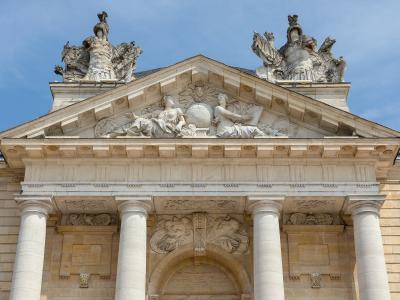
Palais des Ducs de Bourgogne et des États de Bourgogne
14th-century ducal palace housing Dijon's City Hall
History Museums · Palaces
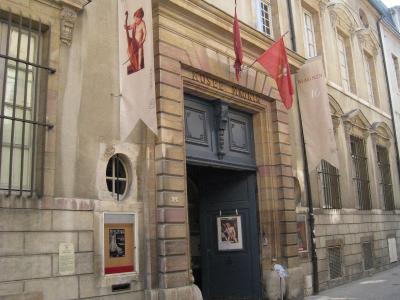
Musée Magnin
17th-century Dijon mansion housing 16th–19th century art
Free Museums & Culture
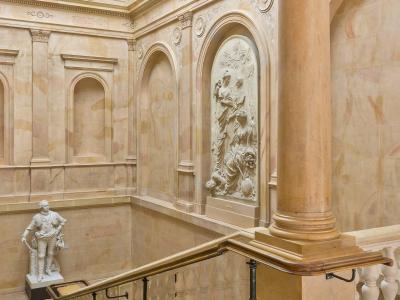
Musée des Beaux-Arts de Dijon
France's oldest museum in the historic Palace of the Duke...
Free Historic Architecture · Museums & Culture
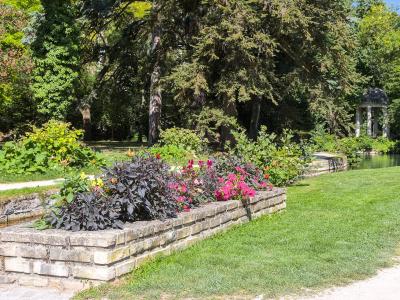
Jardin de l'Arquebuse
Botanical garden and natural history museum
Free Museums & Culture · Nature & Parks
Questions people ask
Quick Facts
Best Time to Visit
Mid-June to early September offers warm weather and ideal conditions for outdoor activities and wine tasting.