







Musée des Beaux-Arts de Dijon
France's oldest museum in the historic Palace of the Duke...
- Admission
- Free admission
- Hours
- May 2019 onwards (post-renovation)
- Where
- Dijon, Burgundy
- Directions
- Directions
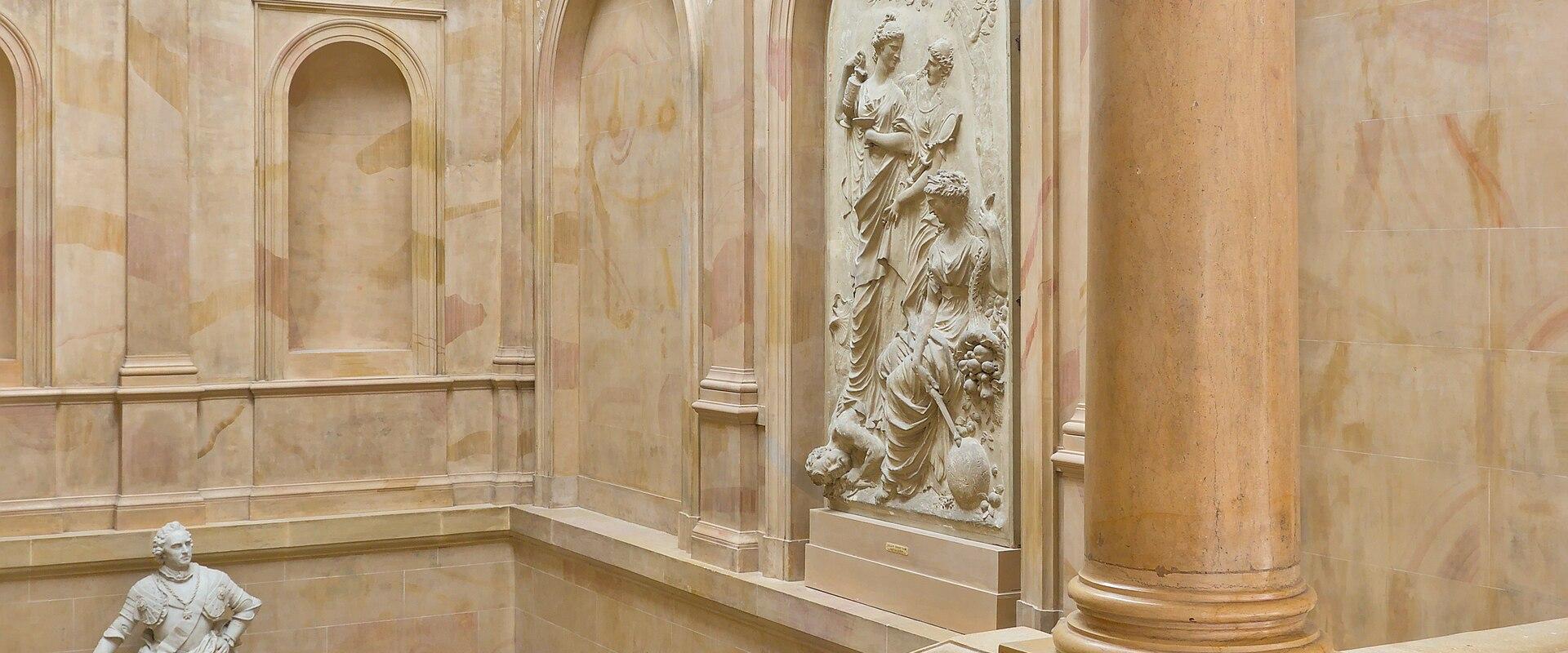
The Musée des Beaux-Arts de Dijon is one of the oldest museums in France and one of the most rewarding in Burgundy. It is housed in the Palais des Ducs et des États de Bourgogne, the monumental complex that dominates the centre of Dijon, and the building is part of the experience. The palace began as the residence of the Valois dukes of Burgundy in the fourteenth and fifteenth centuries, a period when Burgundy was among the richest and most powerful states in Europe, and was rebuilt in the seventeenth and eighteenth centuries as a seat of the provincial estates. Its semicircular square, the Place de la Libération, lies in front of it, and the Tour Philippe le Bon, the tall tower, offers a view over the city's roofs.
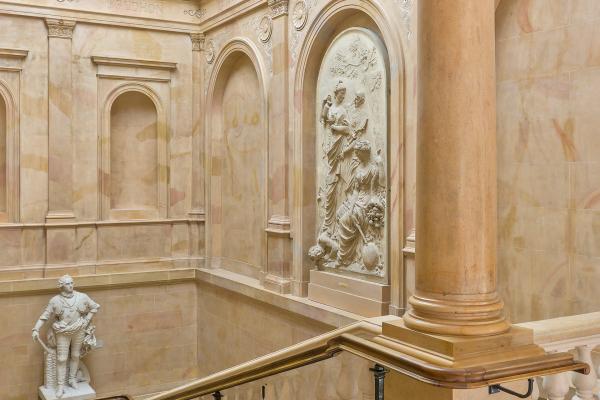
The museum was founded in the eighteenth century, in 1783, as an institution linked to the local academy and a drawing school, and it grew with confiscations during the Revolution and with later gifts. After a lengthy renovation, it reopened in 2019 with redesigned galleries, new lighting and a clearer layout. The collections are encyclopaedic, covering Egyptian antiquities and works of the Middle Ages, the Renaissance and later centuries up to modern art, with a particular depth in the art of Burgundy and the Netherlands.
The most memorable rooms are those that belong to the dukes. The Salle des Gardes holds the tombs of Philip the Bold and John the Fearless, two of the great Valois dukes, which were carved by some of the finest sculptors of their time and moved here from the Chartreuse de Champmol, a monastery on the edge of the city. The figures of mourners, in hooded robes, around the base of the tombs are among the most admired works of medieval sculpture in Europe, and they alone justify a visit. The nearby ducal kitchens, a vast vaulted space with six enormous fireplaces, show how the court was fed.
The Renaissance Hall and the rooms devoted to European painting offer a broad journey from medieval altarpieces through to nineteenth- and twentieth-century works, and the redesign allows the collections to be seen in context. Admission to the permanent collections is free, which makes it easy to drop in for a short visit or to return to your favourite rooms. Some rules apply in the galleries, such as limits on certain items, so follow the staff's guidance.
The museum is a short walk from the Église Notre-Dame, the Cathedral of Saint-Bénigne and the Rue de la Liberté, and the Jardin de l'Arquebuse is a pleasant green space a little farther away. Dijon is also known for mustard, gingerbread and Burgundy wines, which makes it easy to pair a museum visit with a meal. The museum suits art and history lovers, families with older children and anyone who wants to understand why Burgundy was once a power in Europe. Allow at least two hours.
Categories
More photos coming soon
Hours & Fees
- Open
- May 2019 onwards (post-renovation)
- Admission
- Free admission
Hours and prices change, especially out of season. Check with the venue before you go.
Nearby Attractions
Other places to visit in Dijon
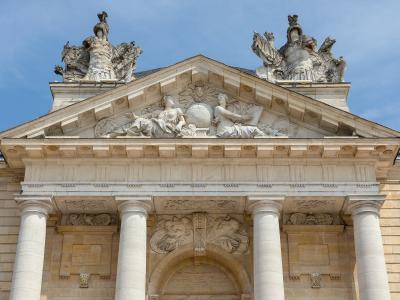
Palais des Ducs de Bourgogne et des États de Bourgogne
14th-century ducal palace housing Dijon's City Hall
History Museums · Palaces
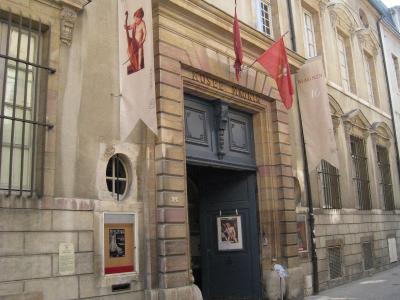
Musée Magnin
17th-century Dijon mansion housing 16th–19th century art
Free Museums & Culture
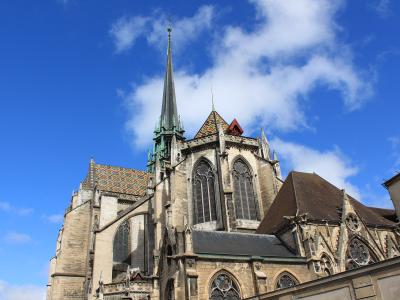
Église Saint-Bénigne
Gothic cathedral with mystical stained glass
Free Architectural Landmarks · Churches
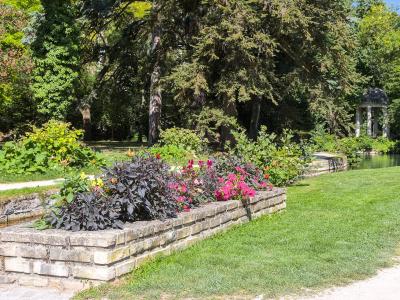
Jardin de l'Arquebuse
Botanical garden and natural history museum
Free Museums & Culture · Nature & Parks
Questions people ask
Quick Facts
Best Time to Visit
Mid-June to early September offers warm weather and ideal conditions for outdoor activities and wine tasting.