







- Admission
- Free admission
- Hours
- Daily 7:30 AM to 9:00 PM
- Where
- Dijon, Burgundy
- Directions
- Directions
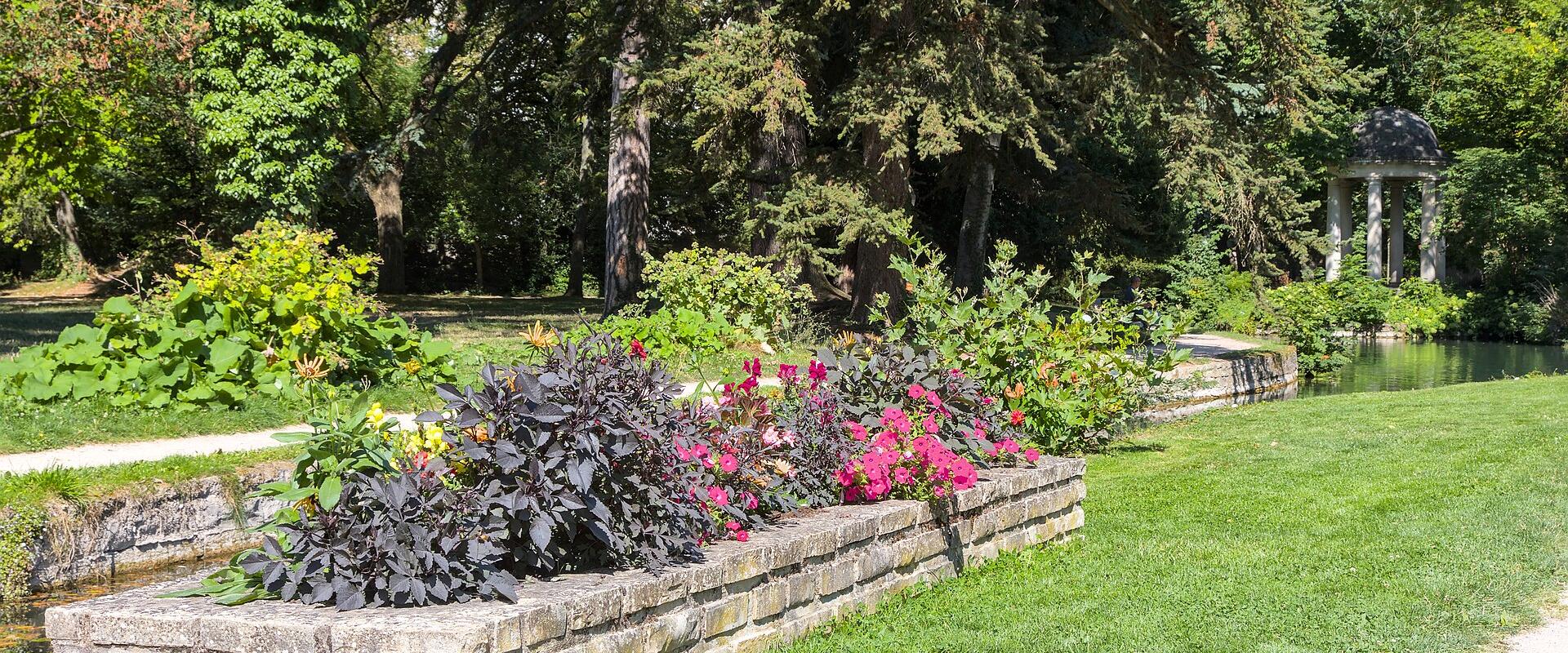
The Jardin de l'Arquebuse is the botanical garden of Dijon, and it lies on the edge of the city centre, close to the railway station, in grounds that carry an unusual name. The arquebuse was an early firearm, and the garden occupies land that once belonged to the company of arquebusiers, a militia of the town whose members trained in shooting and held contests. When the company left, the site was converted to a garden, and in 1833 the botanical garden was moved here from an older site, so the garden has a history of nearly two centuries as a place of study and leisure.
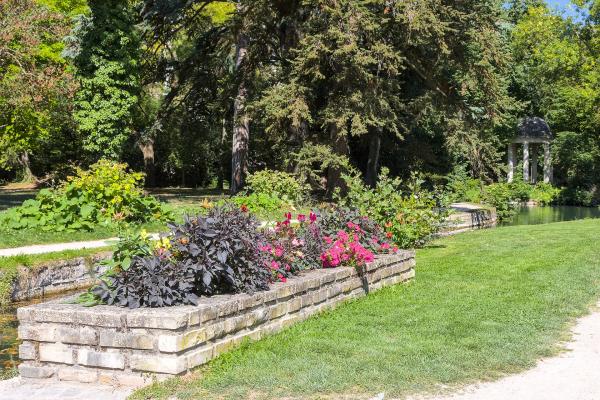
Today the Jardin de l'Arquebuse is a centre for science and nature, sometimes called the Jardin des sciences, with three parts. The botanical garden is the most extensive, with lawns, flower beds edged with box hedges, lines of old trees and different areas devoted to wild and cultivated plants, among them medicinal herbs, vegetables and ornamental species. There are about a hundred kinds of trees from different parts of the world, including some of great age, and the layout invites a walk with changing views. Plants are labelled, and the garden is a good place to learn the names of common species.
The second part is the Muséum d'histoire naturelle, a natural history museum with collections of minerals, fossils and stuffed animals, and exhibitions that trace the history of life on Earth and explain the issues of biodiversity today, including the threat of a sixth mass extinction. The displays are designed for visitors of all ages, with an emphasis on the relationship between people and nature. The third part is the planetarium, with a dome for shows about the stars and the universe. The museum and the planetarium have their own opening times and prices, which differ from the garden, so check the programme if you want to visit them.
The garden itself is open to the public every day, from early in the morning until the evening, and entry is free. It is a good place for a stroll, a picnic or a rest in the shade, and families will find it a good place for children to run. In spring the flower beds are at their best, and in autumn the old trees turn colour.
Dijon is a city of art and history, and the garden is a short walk from the centre. The Palais des Ducs de Bourgogne, the great ducal palace that houses the Musée des Beaux-Arts, is the main sight, and the Rue de la Liberté, the pedestrian shopping street, leads from it toward the station. The church of Saint-Bénigne, a Gothic cathedral built over the tomb of a Christian martyr, and the old streets with their half-timbered houses and glazed roof tiles repay a walk. Dijon is also known for its mustard and for the vineyards of the Côte d'Or, which begin just south of the city. The garden suits nature lovers, families and curious travellers.
Categories
More photos coming soon
Hours & Fees
- Open
- Daily 7:30 AM to 9:00 PM
- Admission
- Free admission
Hours and prices change, especially out of season. Check with the venue before you go.
Nearby Attractions
Other places to visit in Dijon
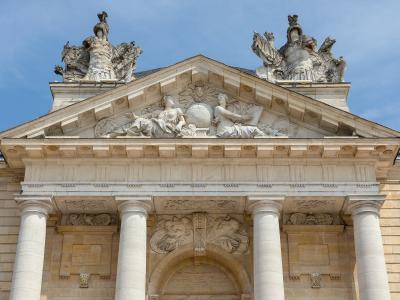
Palais des Ducs de Bourgogne et des États de Bourgogne
14th-century ducal palace housing Dijon's City Hall
History Museums · Palaces
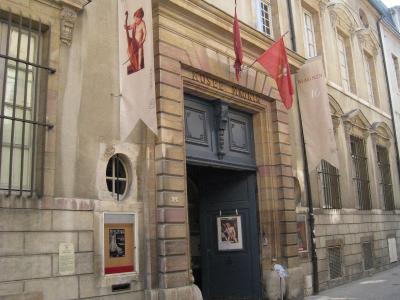
Musée Magnin
17th-century Dijon mansion housing 16th–19th century art
Free Museums & Culture
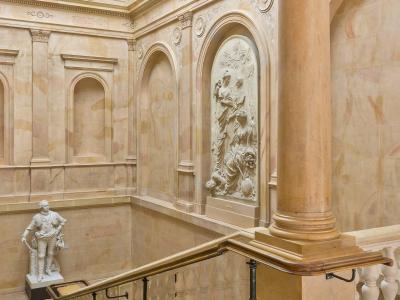
Musée des Beaux-Arts de Dijon
France's oldest museum in the historic Palace of the Duke...
Free Historic Architecture · Museums & Culture
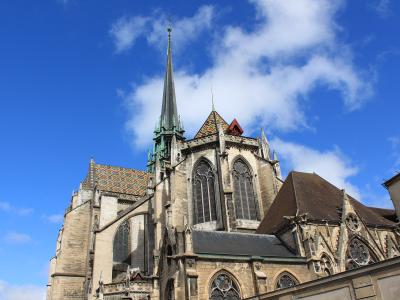
Église Saint-Bénigne
Gothic cathedral with mystical stained glass
Free Architectural Landmarks · Churches
Questions people ask
Quick Facts
Best Time to Visit
Mid-June to early September offers warm weather and ideal conditions for outdoor activities and wine tasting.