







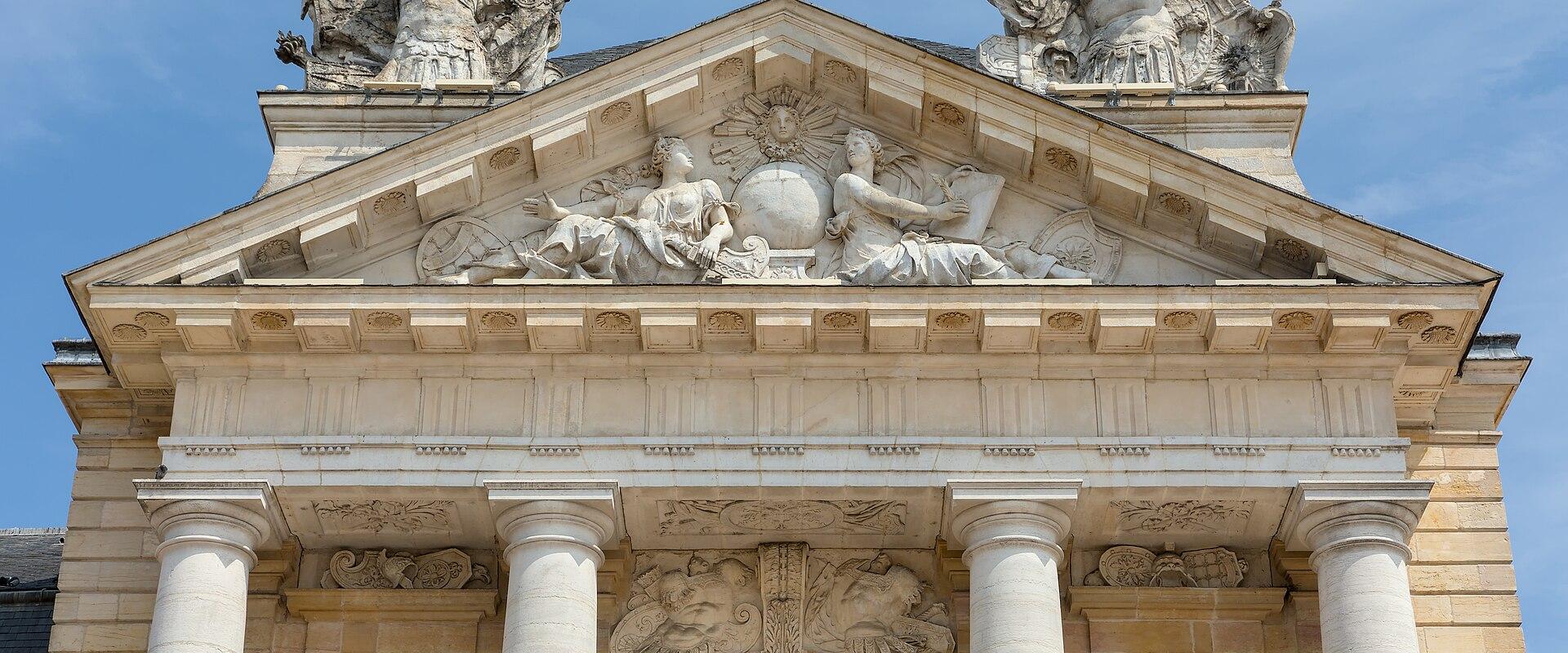
Palais des Ducs de Bourgogne et des États de Bourgogne
14th-century ducal palace housing Dijon's City Hall
- Where
- Dijon, Burgundy
- Directions
- Directions
The Palais des Ducs et des États de Bourgogne is the monumental centrepiece of Dijon, built around the semicircular Place de la Libération. It is two buildings in one: a medieval ducal residence, of which key parts survive, and a grand classical palace added later for the Estates of Burgundy, the regional assembly. The Dukes of Burgundy ruled one of the richest and most cultured courts in Europe in the fourteenth and fifteenth centuries, and the palace was their seat, begun under Philip the Bold in the 1360s and extended under his successors.
The oldest visible remains are at the back of the complex. The Tour de Philippe le Bon, a tall tower from the fifteenth century, can be climbed for a wide view over the red-tiled roofs of Dijon towards the vineyards of the Côte d'Or. Nearby are the ducal kitchens, a vast vaulted room with six huge fireplaces, one of the best surviving examples of a medieval princely kitchen in France. Both date from the time of Philip the Good, whose court was famous for banquets and ceremonial display.
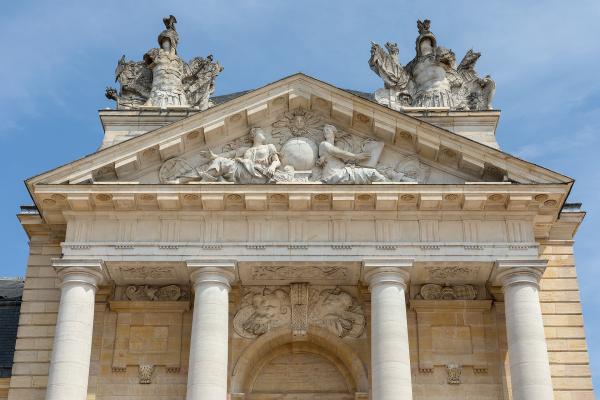
The classical palace was built from the late seventeenth century, with plans associated with the royal architect Jules Hardouin-Mansart. Its long facades face the square, with wings enclosing the Cour d'Honneur, and the interior courts include the Cour de Bar and the Cour de Flore. The Salle des États was where the Estates of Burgundy met, and the Chapel of the Elected Officials belongs to that political side of the building. Because of these functions, the palace was long the seat of the province's government, and it still houses Dijon's Hôtel de Ville, the city hall, with the municipal offices.
Part of the complex is the Musée des Beaux-Arts de Dijon, one of the oldest and most visited museums in France. Its collection is celebrated for the Salle des Gardes, where the tombs of Philip the Bold and John the Fearless are displayed, as well as paintings from the Middle Ages to modern times. Certain parts of the palace, including the Salle des États and the Salle de Flore, are reached through guided tours or special events, so check the programme with the tourist office before planning a visit.
The palace suits history lovers, art fans and anyone using Dijon as a base for exploring Burgundy. It sits close to the Église Saint-Bénigne and the Rue de la Liberté, so it is easy to fold into a walking day.
Categories
More photos coming soon
Nearby Attractions
Other places to visit in Dijon
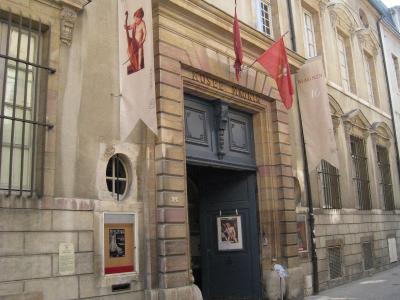
Musée Magnin
17th-century Dijon mansion housing 16th–19th century art
Free Museums & Culture
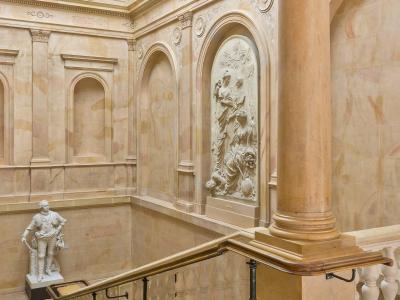
Musée des Beaux-Arts de Dijon
France's oldest museum in the historic Palace of the Duke...
Free Historic Architecture · Museums & Culture
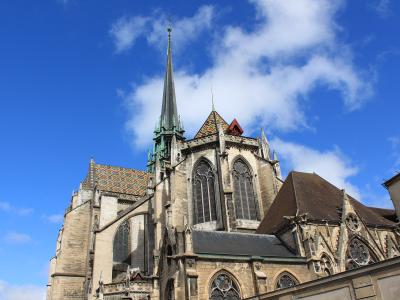
Église Saint-Bénigne
Gothic cathedral with mystical stained glass
Free Architectural Landmarks · Churches
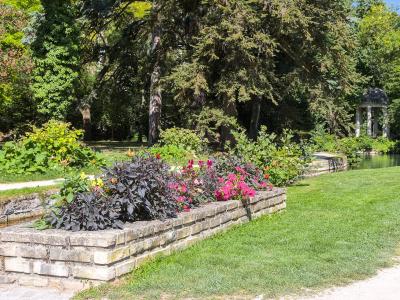
Jardin de l'Arquebuse
Botanical garden and natural history museum
Free Museums & Culture · Nature & Parks
Questions people ask
Quick Facts
Best Time to Visit
Mid-June to early September offers warm weather and ideal conditions for outdoor activities and wine tasting.