







- Where
- Chartres, Centre-Val de Loire
- Directions
- Directions
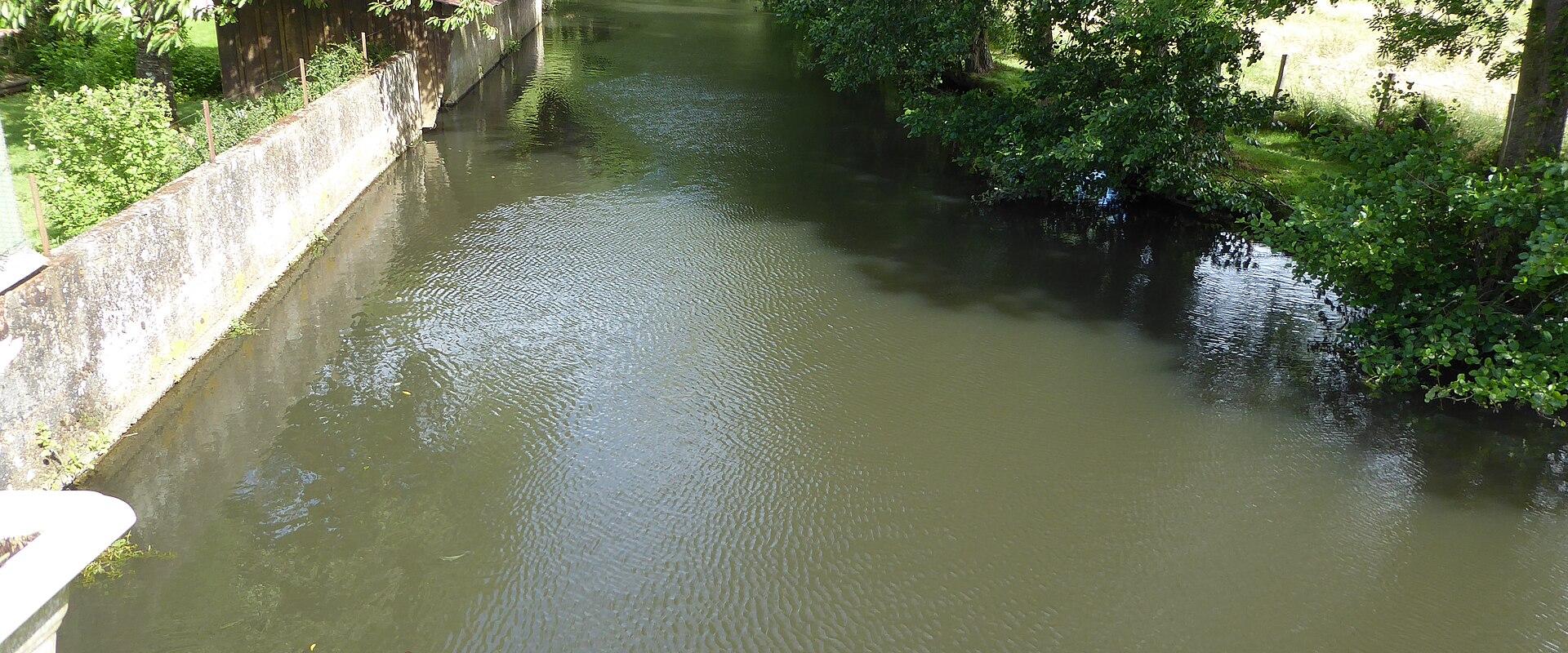
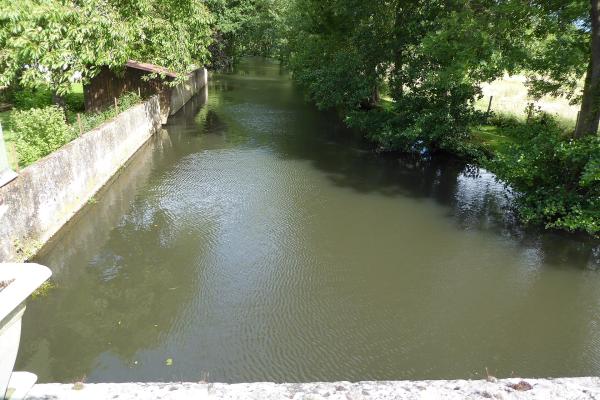
The Eure river flows through the lower town of Chartres, at the foot of the hill on which the cathedral stands, and its banks are the most peaceful and picturesque part of the city. Chartres began on the plateau above, but the river valley below was the working quarter, with tanneries, mills, washhouses and craftsmen, and the old buildings that line the water still tell that story. The walk along the Eure leads through quiet streets and over small bridges, with views up to the towers of the cathedral, which dominate the skyline from nearly every point.
The lower town, the Basse-Ville, is reached by steep streets and stairs, such as the Tertre Saint-Nicolas, which descend from the cathedral quarter. Down by the river, the lanes are lined with medieval houses, some timber-framed, with little gardens and flowerpots, and the water flows past stone embankments and old washhouses, the lavoirs, where women washed clothes until the twentieth century. The Rue de la Tannerie and the streets nearby were home to the tanning and weaving trades. In the old churches along the river, among them the Collégiale Saint-André, now used as an exhibition hall, and the Église Saint-Pierre, with its fine medieval stained glass, you can find more of the city's heritage.
The riverside is also where the city shows its modern face. In the evening during the summer, the festival Chartres en lumières lights up the bridges, the banks and many buildings, with projections and coloured illuminations, which turn the river into a stage and attract many visitors. At other times, the walk by the water is quiet, and there are benches and spots for a picnic. A small tourist train and walking routes link the riverside with the old town, and the pedestrian zone around the Place du Martroi has shops, cafés and markets.
The history of Chartres is long. The city was the capital of the Carnutes, a Gaulish tribe, in pre-Roman times, and it was an important place in the Middle Ages because of its cathedral and the pilgrim trade. It saw fighting during the Hundred Years' War and the Wars of Religion, and it was bombed in the Second World War, though the cathedral was spared.
The riverbanks suit walkers, photographers and anyone who wants to see the cathedral from below, as well as families and couples in the evening. The paths are public and open at all hours, and there is no fee. Allow an hour for a stroll. The Chartres Cathedral, the Musée des Beaux-Arts and the Old Town are close.
Categories
More photos coming soon
Nearby Attractions
Other places to visit in Chartres
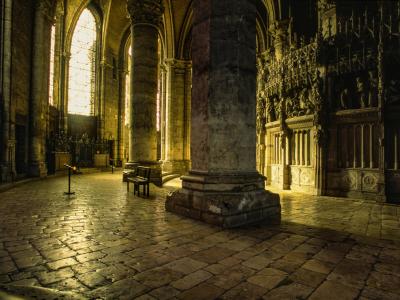
Chartres Cathedral (Cathédrale Notre-Dame de Chartres)
UNESCO Gothic landmark with 12th-century stained glass
Free Churches · Heritage Trails
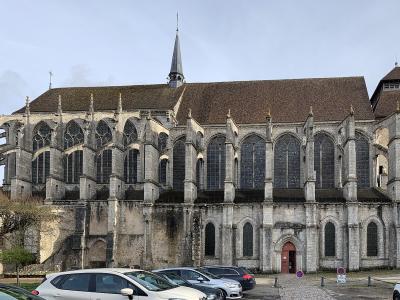
Abbey of Saint-Père-en-Vallée
7th-century abbey with a 10th-century bell tower
Churches · Heritage Trails
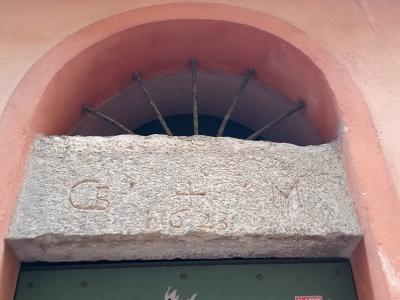
Old Town (Vieille Ville)
UNESCO Gothic cathedral with famous blue stained glass
Bridges · Historic Towns
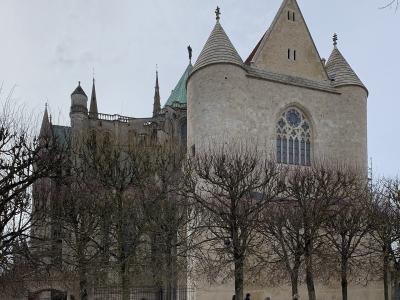
Museum of the Treasury (Trésor de la Cathédrale)
14th-century frescoes and relics in a historic chapel
Free Historic Architecture · Museums & Culture
Questions people ask
Quick Facts
Best Time to Visit
Late June to early September offers warm weather and ideal conditions for outdoor activities and sightseeing.