
Chartres
UNESCO Gothic cathedral town with medieval old quarter
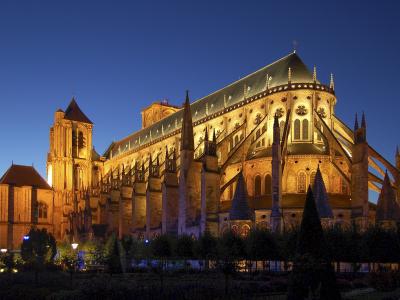
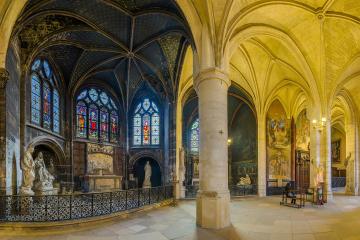
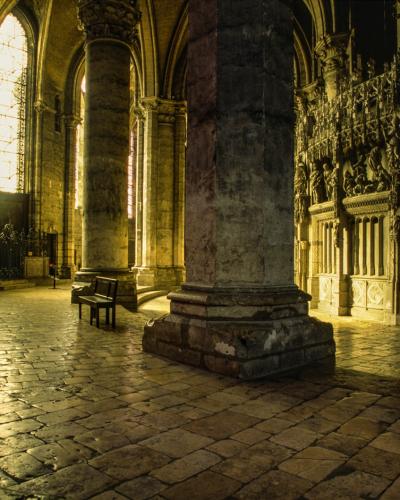
Chartres, situated in the Eure-et-Loir department of north-central France, is a town with a profound historical and religious identity. Historically, it was a significant episcopal see and a center of learning during the Middle Ages. The town's most defining feature is its cathedral, which has been a pilgrimage site since the 9th century. The current Gothic structure was largely built in the 12th and 13th centuries after a fire destroyed the previous Romanesque cathedral. The cathedral is renowned for its architectural harmony, its three spires, and its extensive collection of stained-glass windows, which are considered some of the finest in the world. The town also has a rich history related to the Virgin Mary, with the relic of the Sancta Camisia (the tunic of the Virgin Mary) being housed in the cathedral treasury. The old town (Ville Close) is well-preserved, featuring half-timbered houses and narrow streets. The local economy has traditionally been based on agriculture and trade, but tourism is now a major driver.
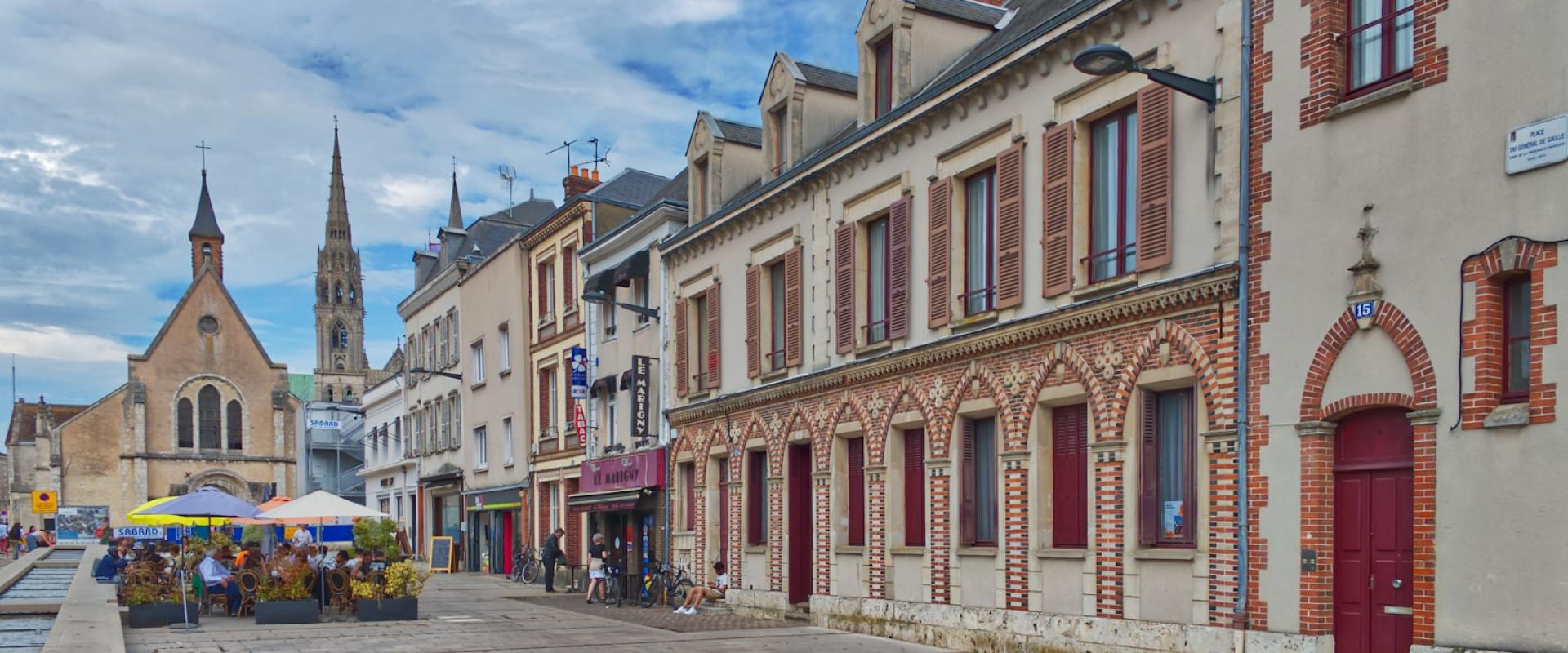
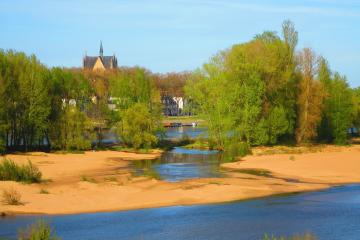
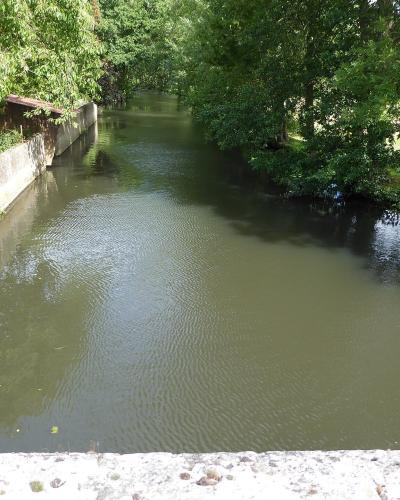
The main attractions in Chartres revolve around its cathedral and historic center. The Cathedral of Notre-Dame de Chartres is the primary landmark, featuring a labyrinth on the floor, a famous astronomical clock, and the 12th-century stained-glass windows. The Cloître de la Halle, a medieval market hall, is a notable example of civil architecture. The Maison Picassiette, a house decorated with mosaic art by Raymond Isidore, is a unique cultural site. The Jardin des Dames is a beautiful park located near the cathedral. The old town offers a maze of charming streets, shops, and cafes. The Eure River flows through the town, offering scenic walks and opportunities for canoeing.
Chartres offers various activities for visitors interested in history, art, and nature. Guided tours of the cathedral provide detailed insights into its architecture and history. The town hosts various festivals throughout the year, including the Chartres en Lumières light show. The local cuisine features Beauce specialties, including brioche and local cheeses. The surrounding countryside offers opportunities for cycling and hiking, with marked trails through the Beauce plain. The nearby town of Giverny, home to Claude Monet's garden, is easily accessible for a day trip. The region is also known for its wine production in the nearby regions.
Getting to Chartres is convenient via train, with regular services from Paris to Chartres station. The journey takes approximately one hour. The train station is located near the town center, making it easily accessible. For those traveling by car, Chartres is accessible via the A11 and A10 motorways. The best time to visit Chartres is from late June to early September, when the weather is warm and pleasant, ideal for exploring the outdoor attractions and walking tours. July and August are the warmest months, with average highs around 25°C, but also the busiest. Spring and autumn offer milder weather and fewer crowds, making them suitable for sightseeing and museum visits. Winter is cooler and quieter, offering a serene atmosphere for indoor museum visits. Chartres combines historical depth, artistic richness, and natural beauty, making it a compelling destination for travelers seeking an authentic French experience.
Best Time to Visit
Late June to early September offers warm weather and ideal conditions for outdoor activities and sightseeing.
Plan Your Visit to Chartres
Essential travel tips and information for your trip to Chartres.
Suggested Itineraries
One Day in Chartres
1 dayPerfect for a quick visit. See the main highlights and get a taste of local culture.
Extended Chartres Experience
2-3 daysComprehensive exploration including nearby attractions and cultural experiences.
Travel Tips
Currency
EUR • Cards widely accepted
Language
French • English in tourist areas
WiFi
Free WiFi in cafes and hotels
Explore Chartres by Interest
Discover attractions and experiences in Chartres organized by your interests and travel preferences.
All attractions in Chartres
Sorted by our recommendation score

Quick Facts
Book your stay
Frequently Asked Questions
More destinations in Centre-Val de Loire
Explore other amazing places in the Centre-Val de Loire region