







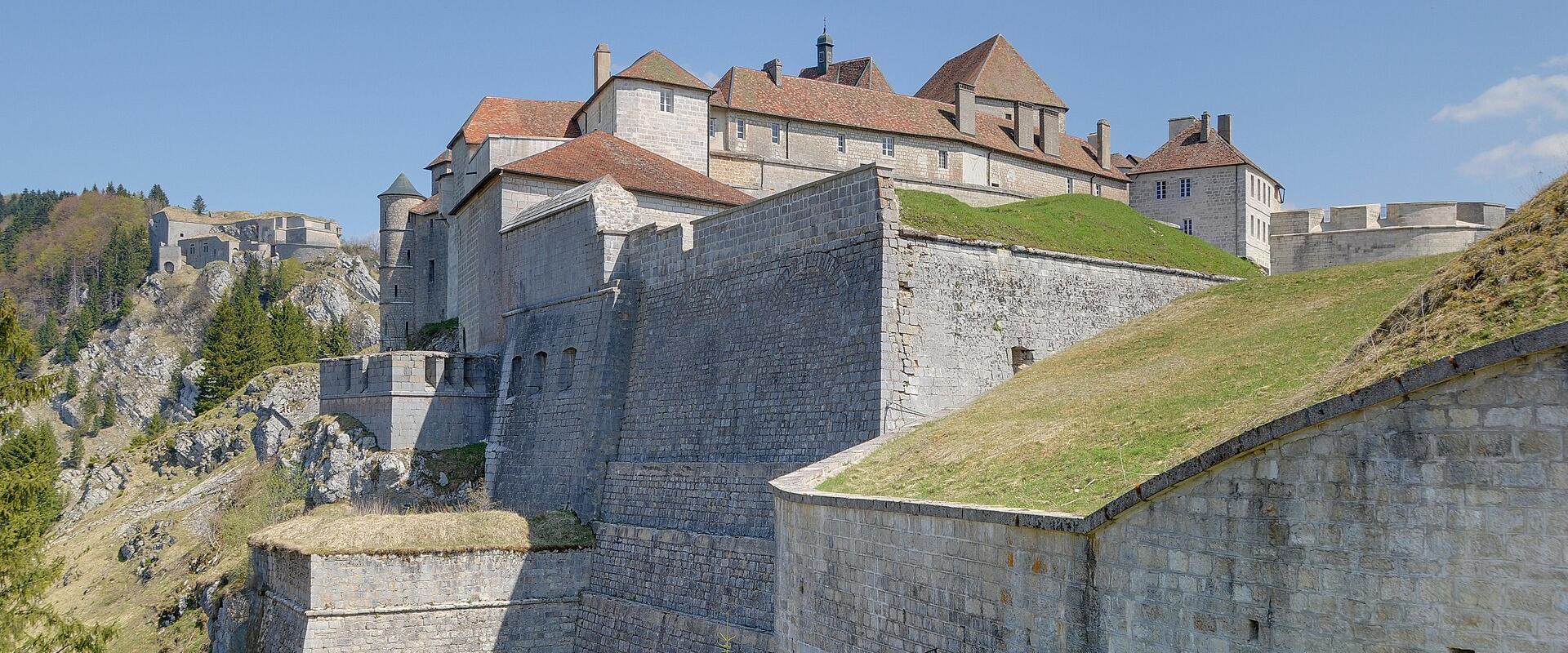
Fort de Joux
Jura mountain fortress with five defensive rings
- Admission
- €7–9.50 adults depending on the visit.
- Hours
- 9:00 AM – 5:30 PM (Seasonal operation from July to August)
- Where
- La Cluse-et-Mijoux, Franche-Comté
- Directions
- Directions
Fort de Joux stands on a rocky spur in the Jura mountains above the Cluse de Pontarlier, a narrow gorge that for centuries was one of the main routes between France and Switzerland. It lies in the commune of La Cluse-et-Mijoux, in the Doubs department near Pontarlier and the Swiss border. The fort dominates the pass from a height of about a thousand metres, and its position explains its history: whoever held the rock controlled the road between Burgundy and the Swiss plateau.
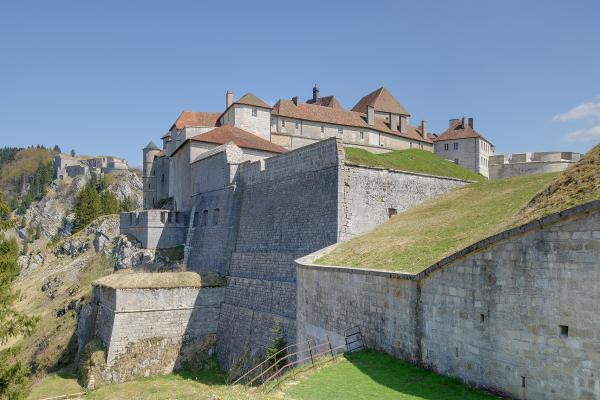
The site has been fortified since the Middle Ages. A castle was established here in the eleventh century, and it was expanded and rebuilt many times over the following centuries. The fort took its present form over about a thousand years, with successive rings of defences built by different rulers as military technology changed. In the seventeenth century, after the Franche-Comté became French, Vauban's engineers strengthened the defences, and in the nineteenth century further works were added on the surrounding heights. The result is a complex of five enclosures, linked by ramps and passages, with thick stone walls, ditches and gateways cut into the rock.
The fort is also known as a prison. Over the centuries it held a number of notable captives, including the Comte de Mirabeau, the revolutionary orator, who was imprisoned here in the 1770s for debts and a scandalous elopement. The most famous prisoner was Toussaint Louverture, leader of the Haitian Revolution, who was brought to the fort in 1802 on the orders of Napoleon and died in his cell in April 1803. His cell is part of the visit and a memorial to him recalls his story, which gives the fort a significance well beyond its military history.
The visit explores the barracks, the guardhouse, the chapel, the cells and exhibition rooms with artefacts from the fort's past. The route goes through a series of courtyards and levels, with narrow stairways and long vaulted corridors, so wear sturdy shoes and expect to climb. The temperature inside is cool even in summer, and it is worth bringing a layer. The views from the walls across the pine forests and the pass are rewarding on a clear day.
The fort is best visited as part of a trip to the Haut-Doubs and the Jura. Pontarlier, a town with a history of absinthe production, the Lac de Saint-Point and the Swiss border crossing at Jougne are nearby. The fort suits history enthusiasts, families with children who like castles and anyone exploring the mountains of the Doubs. Opening hours and prices vary by season, so check before travelling.
Categories
More photos coming soon
Hours & Fees
- Open
- 9:00 AM – 5:30 PM (Seasonal operation from July to August)
- Admission
- €7–9.50 adults depending on the visit.
Hours and prices change, especially out of season. Check with the venue before you go.
Nearby Attractions
Closest attractions by distance
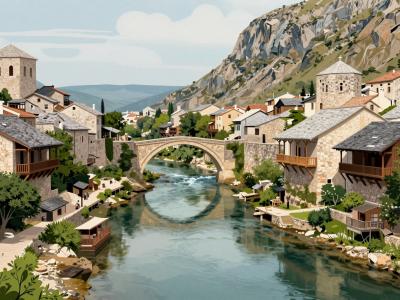
Vallon de la Loue
Jura valley with crystal-clear Loue River and Courbet her...
Bridges · Historic Towns
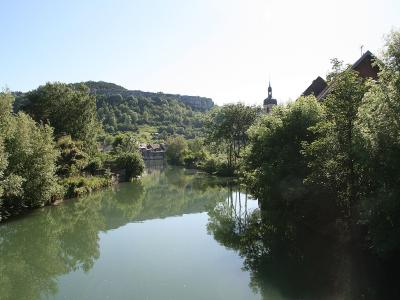
Centre Culturel d'Ornans
Museum dedicated to Gustave Courbet
Museums & Culture
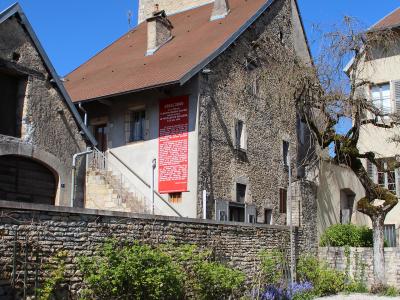
Maison de Courbet
16th-century birthplace of Gustave Courbet
From €4 Historic Architecture · Museums & Culture
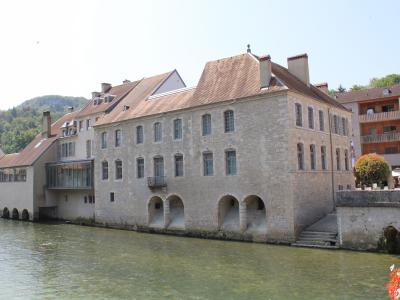
Musée Courbet
Departmental museum dedicated to Gustave Courbet
From €4 Art Museums
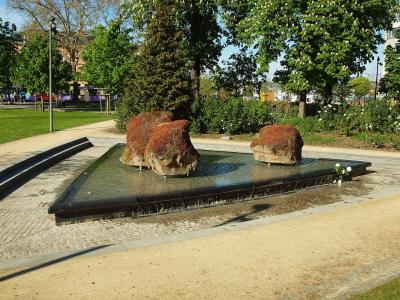
Parc de la Gare
Former railway station park in Ornans, France
Nature & Parks · Urban Exploration
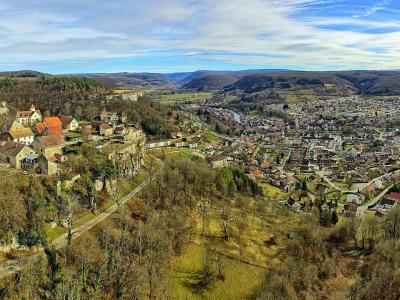
Château de Ornans
6th-century fortress on the Loue riverbank
Castles · Heritage Trails
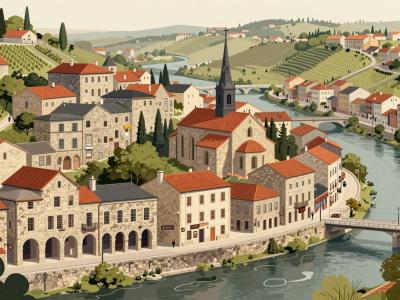
Le Vieux Besançon (Old Town)
Best-preserved historic city in a river loop
City Centers · Heritage Trails
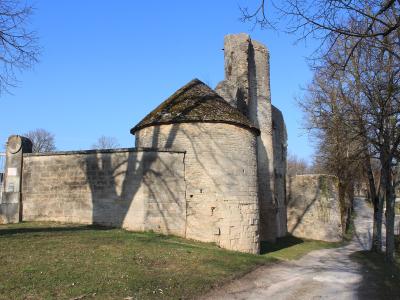
Château des ducs de Bourgogne
13th-century fortress ruins in Arbois
Historic Architecture
Questions people ask
Quick Facts
€7–9.50 adults depending on the visit.
Best Time to Visit
May to October is best for walking and for visiting the fort. Winter is cold and snowy at this altitude, and brings skiing in the nearby Jura stations, but visits to the fort are reduced.