







- Where
- Besancon, Franche-Comté
- Directions
- Directions
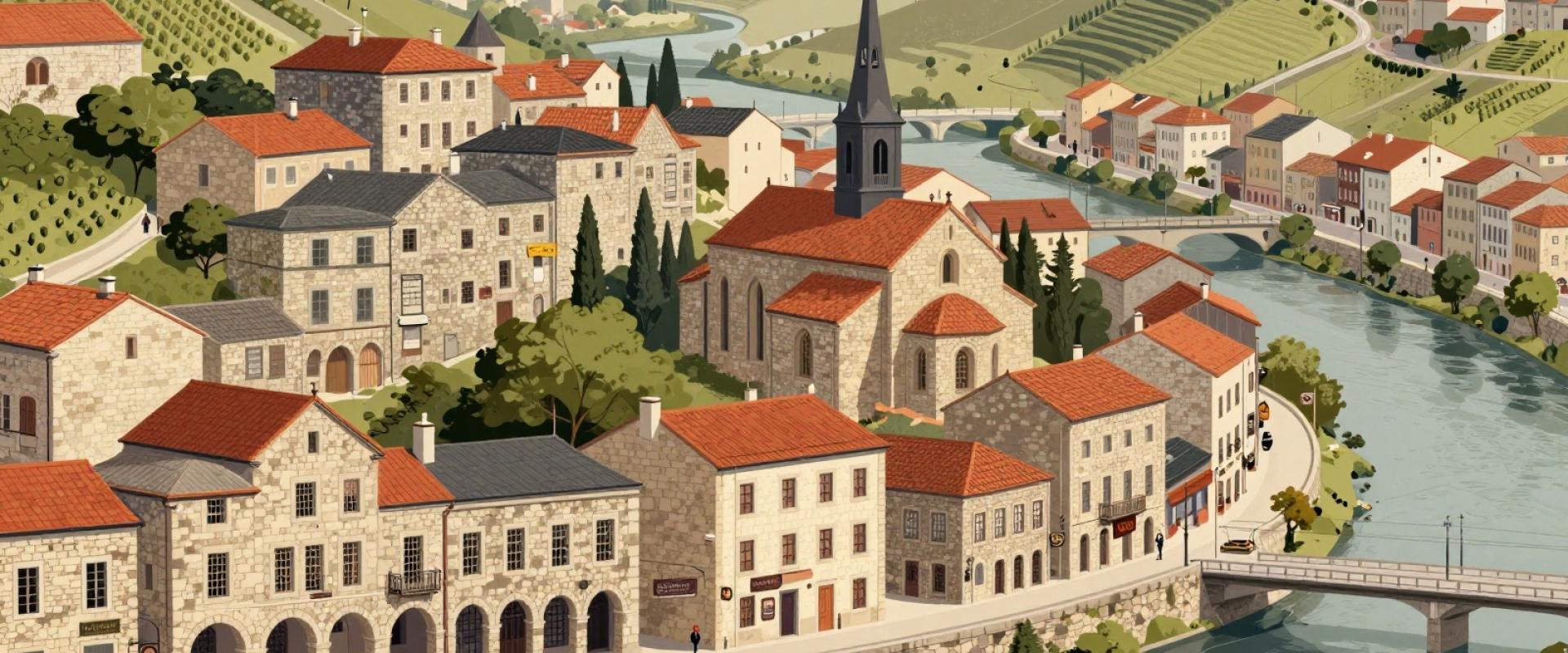
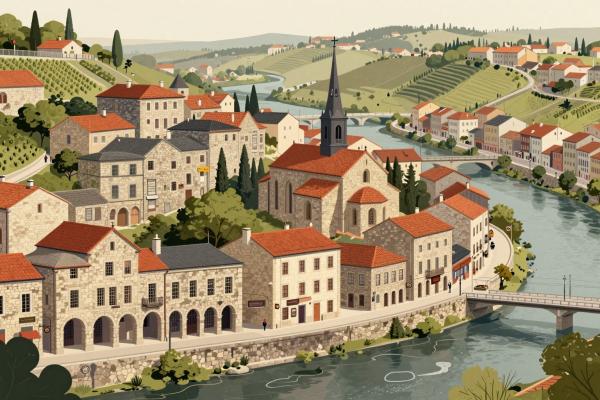
The old town of Besançon sits inside a tight loop of the river Doubs, which curves around it like a horseshoe and leaves only a narrow neck of land at one end. The loop is known as la Boucle, and the great citadel rises on the rock that closes the neck, so the old centre appears almost like an island. This position made it a natural stronghold, and Julius Caesar wrote about the settlement of Vesontio, the chief town of the Sequani, in his account of the Gallic War, noting how the river and the hill protected it. Roman remains still lie among the later buildings, which gives the walk its sense of layers of history.
The town is among the best preserved in France, with no towers or modern blocks inside the loop, and the buildings range from medieval houses to the grand stone mansions of the Renaissance and the eighteenth century. The Grande Rue, the main street, runs through the middle and is lined with shops, cafés and fine facades. Victor Hugo was born in a house on this street in 1802, and the Palais Granvelle, a sixteenth-century palace built for a minister of Charles V, shows how rich and cosmopolitan the town was in that period. Look up as you walk, as many doorways have carved stone details and fountains punctuate the squares.
The Cathédrale Saint-Jean stands at the foot of the citadel hill. It is a mostly Romanesque building, with the unusual feature of two apses at opposite ends, and later Gothic and Baroque additions. Inside is an astronomical clock built in the nineteenth century by the Besançon clockmaker Auguste-Lucien Vérité, a complex machine of tens of thousands of parts that shows the time, tides and planets and still draws visitors. Next to the cathedral stands the Porte Noire, a Roman triumphal arch carved with figures in the second or third century, one of the most striking survivals of Roman Besançon. Close by, the ruins of a Roman theatre lie in a public garden.
The river is part of the experience. Walks along the quays give views of the old bridges and the ramparts above, and boats offer short trips around the loop. In the evening the lights reflect on the water. The town has long been associated with watchmaking, which is celebrated at the Musée de la Montre et de l'Horlogerie Franc-Comtoise, and it is a university town, so cafés and bookshops fill the lanes.
The old town is public, and there is no entry fee, so it can be explored whenever you like, ideally on foot over a few hours. Combine it with the climb to the Citadelle de Besançon for the best views of the loop, and visit the Marché des Capucins for local cheese, a regional speciality of the Franche-Comté. It suits anyone who enjoys historic towns and walking.
Categories
More photos coming soon
Nearby Attractions
Other places to visit in Besancon
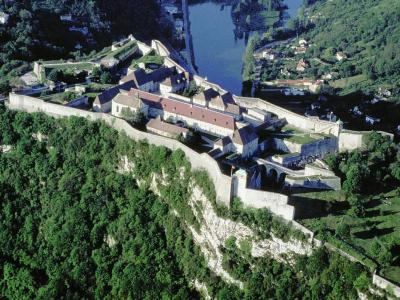
La Citadelle de Besançon
Vauban star fort overlooking the Doubs river
Fortresses · Heritage Trails
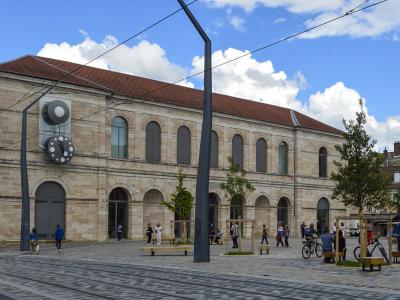
Musée des Beaux-Arts et d'Archéologie de Besançon
France's oldest public art collection, founded 1694
Museums & Culture
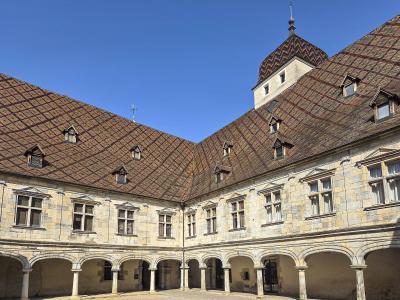
Musée de la Montre et de l'Horlogerie Franc-Comtoise
Granvelle Palace housing 1,500 timepieces
Museums & Culture
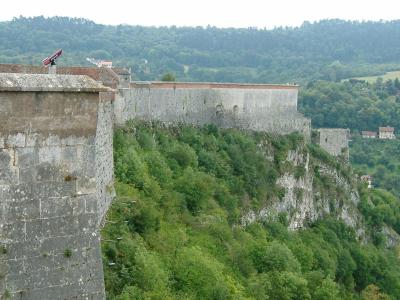
Musée Comtois
Regional history museum in Besançon Citadel
Historic Architecture · Museums & Culture
Questions people ask
Quick Facts
Best Time to Visit
Late June to early September offers warm weather and ideal conditions for outdoor activities and sightseeing.