







- Where
- Sartene, Corsica
- Directions
- Directions
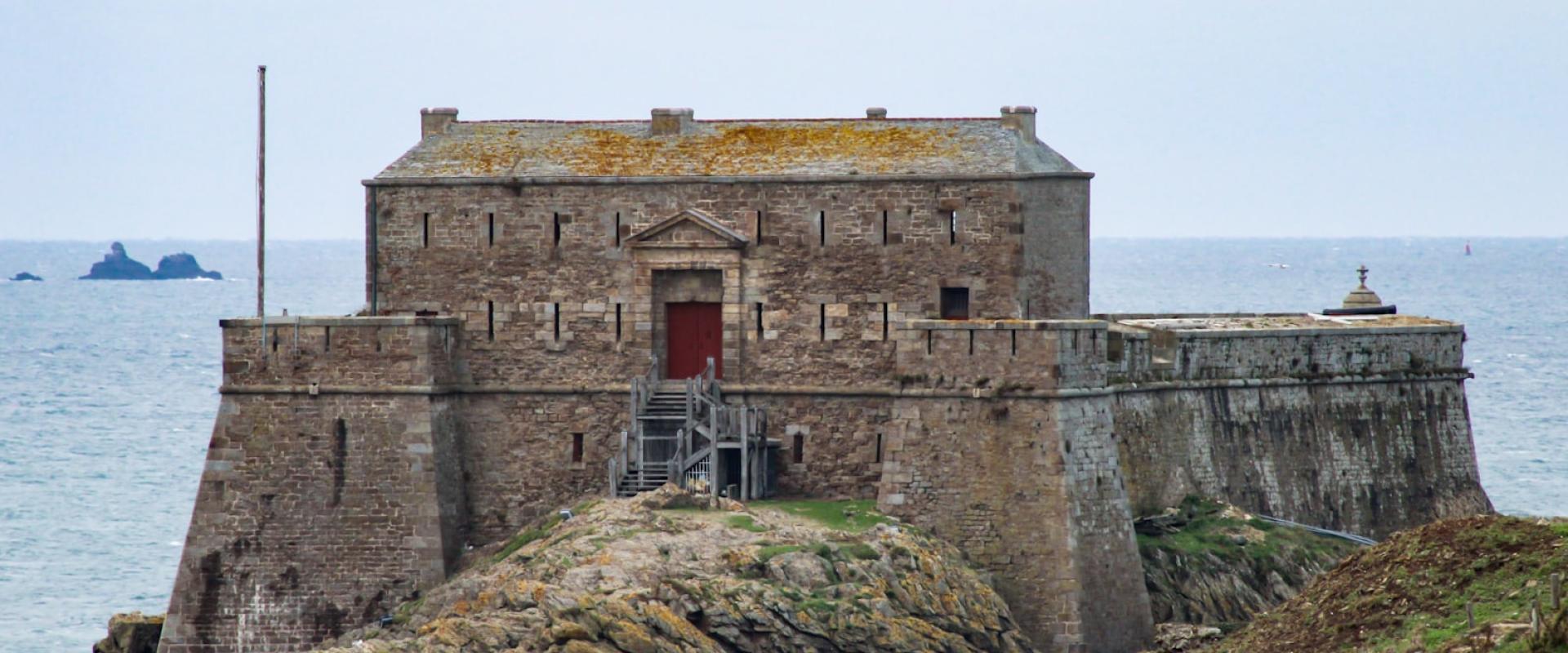
The fort belongs to the coast of the Sartenais, the south-western part of the island, where the land falls from the granite hills toward a rocky and indented shore. For centuries this coast was exposed to raiders from the sea, and the people who lived here built towers, forts and walled towns to protect themselves.
The main system of defence was set up by the Genoese, who ruled Corsica from the Middle Ages until the eighteenth century. From the sixteenth century they built a chain of round stone watchtowers around the island, visible from one another, so that warning fires or signals could pass quickly from one to the next when pirate ships were seen. Many still stand, often on rocky points, and they give the coast its character. Larger forts were built at strategic places to hold troops and guns, and the name of this fort suggests a position on a headland, of the kind that commands a stretch of water.
The nearest base is Sartène, a granite town high above the Rizzanese valley, with a dark, tightly packed old quarter that retains its Genoese character. Its Place Porta, the church of Sainte-Marie, and the old town's covered passages are worth exploring, and the Musée de Sartène, a prehistory museum, introduces the island's remarkable ancient past, including the standing stones of the region. The old town is described in its own entry, as The Old Town, and the Chapel of Saint-Blaise and the Sartène Market add to the list of local sights.
The coast within reach includes some of the most beautiful beaches and rocky capes in Corsica, with the wild shore south of Propriano, the Genoese tower at Roccapina with its rock shaped like a lion, and the bay of Campomoro, where another tower stands. Many of these sites are reached by tracks or paths, and some involve a walk of an hour or more, so a good map and sturdy shoes are essential. In summer the maquis is dry and the sun strong, so carry water and take care with fire.
The fort suits explorers who enjoy quiet corners of the coast and the history of defence. Because access, condition and opening are uncertain, ask at the tourist office in Sartène or Propriano before setting out.
Categories
More photos coming soon
Nearby Attractions
Other places to visit in Sartene
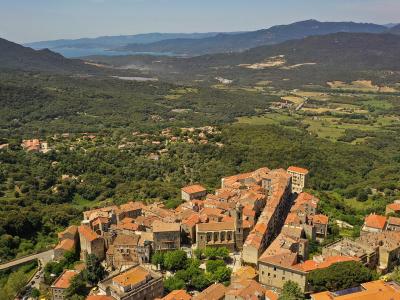
The Old Town (Vieille Ville)
16th-century Genoese refuge with medieval stone streets
City Centers · Heritage Trails
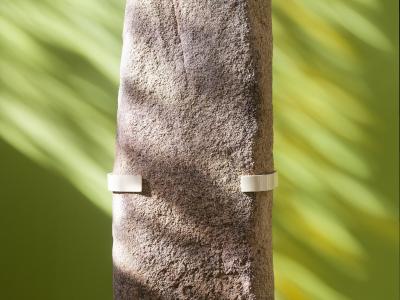
Musée de Sartène
Corsica's premier archaeological museum with statue-menhirs
Cultural Centers · History Museums
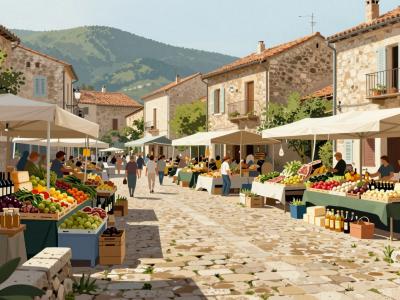
Sartène Market
Year-round market at Place Porta featuring local Corsican...
Free Food & Wine · Urban Exploration
Questions people ask
Quick Facts
Best Time to Visit
Early June to mid-September offers warm weather and ideal conditions for outdoor activities and sightseeing.