







- Where
- Sartene, Corsica
- Directions
- Directions
The museum usually known as the Musée de Sartène is the departmental museum of Corsican prehistory and archaeology, and it is the best place on the island to understand the very ancient people who left behind the statue-menhirs and standing stones of the south. Sartène is a granite town in the south-west of Corsica, set above the Rizzanese valley, and its position is close to the middle of the island's megalithic landscape, which makes it the natural place for such a museum. It stands above the Place Porta, near the old town and close to a former prison building, and from its windows there are views toward the Gulf of Valinco.
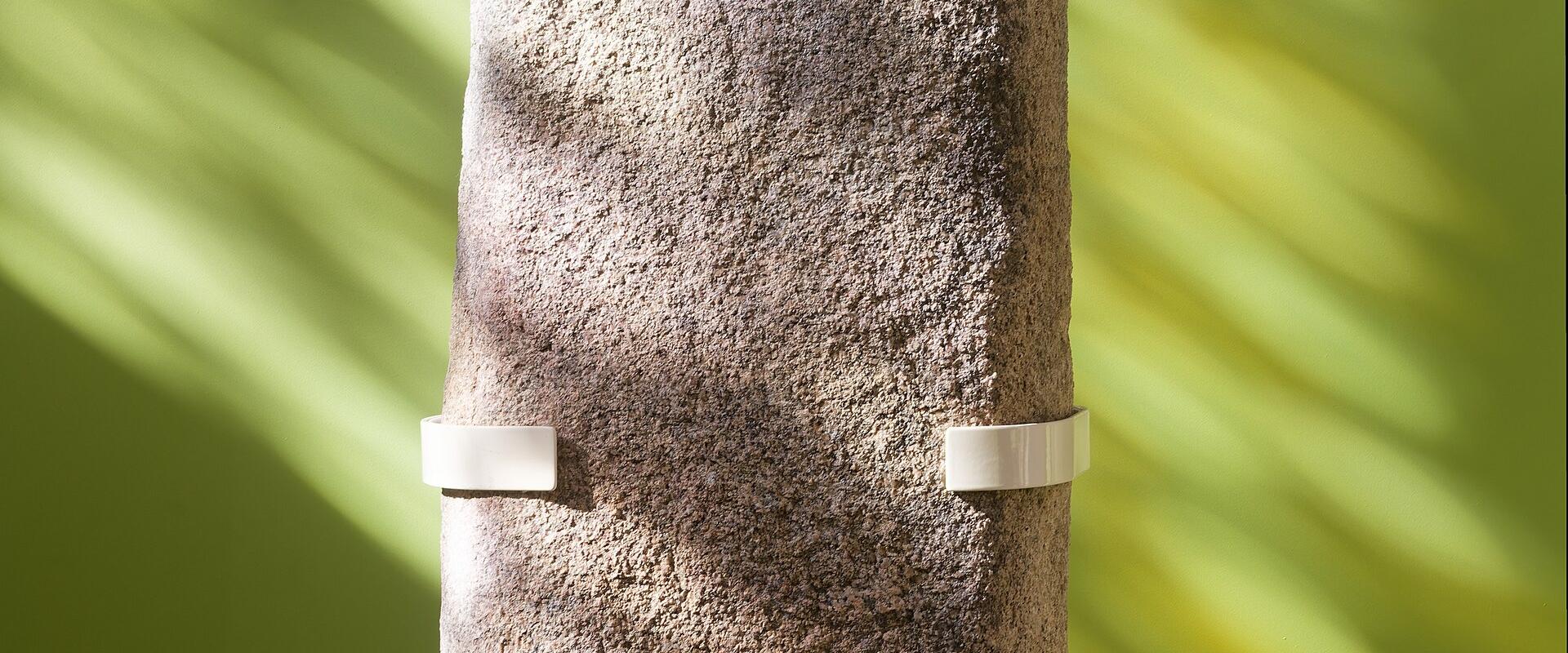
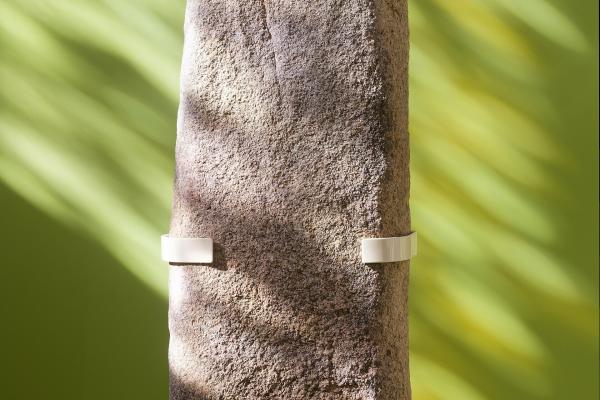
The story begins with the first people to settle Corsica, thousands of years ago, who arrived by sea from the mainland. The museum follows the island's past through the Neolithic, the Bronze Age and the Iron Age, and it shows tools, pottery, weapons, ornaments and everyday objects found in excavations across Corsica, as well as evidence of contact with the Mediterranean world in the Roman and medieval periods. Some of the most striking pieces are the statue-menhirs, upright granite blocks carved with human faces, weapons and belts, which were made by the people of the Torre culture in the second millennium BC and which are one of the island's most distinctive archaeological features.
The museum is an ideal preparation for visiting the sites themselves. Filitosa, a few tens of kilometres away, has the most famous collection of statue-menhirs in Corsica, set among olive trees and ancient stone structures, and Cauria, nearer to Sartène, has long rows of standing stones and burial chambers. Seeing the objects first, with explanations of how they were made and used, gives a better sense of what these monuments meant. The wide valley views and the maquis-covered hills help to complete the picture.
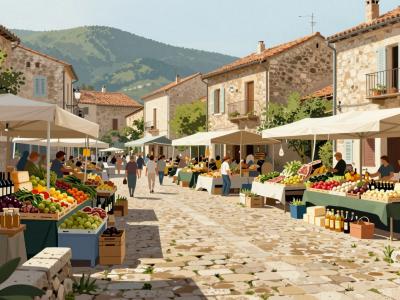
Sartène itself is a fascinating place to explore. The Place Porta, the old town with its covered alleys, the Fort de la Punta di a Ghjaghjola nearby, the Chapel of Saint-Blaise and the Sartène Market are all within reach. The town also holds the Good Friday procession known as the Catenacciu, a dramatic ritual with a hooded penitent who drags chains and carries a cross.
Allow an hour or so for the museum. It suits history lovers and those curious about prehistory, and it is a good rainy-day stop. Opening hours and prices change with the season, so check them in advance.
Categories
More photos coming soon
Nearby Attractions
Other places to visit in Sartene
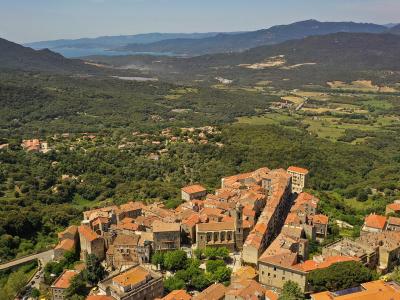
The Old Town (Vieille Ville)
16th-century Genoese refuge with medieval stone streets
City Centers · Heritage Trails
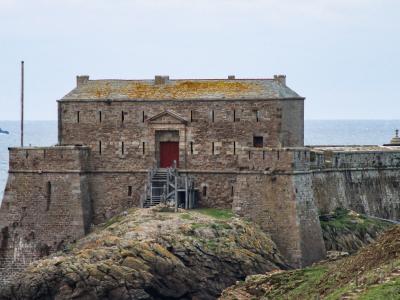
Fort de la Punta di a Ghjaghjola
18th-century Genoese fort in Sartene
Historic Architecture
Sartène Market
Year-round market at Place Porta featuring local Corsican...
Free Food & Wine · Urban Exploration
Questions people ask
Quick Facts
Best Time to Visit
Early June to mid-September offers warm weather and ideal conditions for outdoor activities and sightseeing.