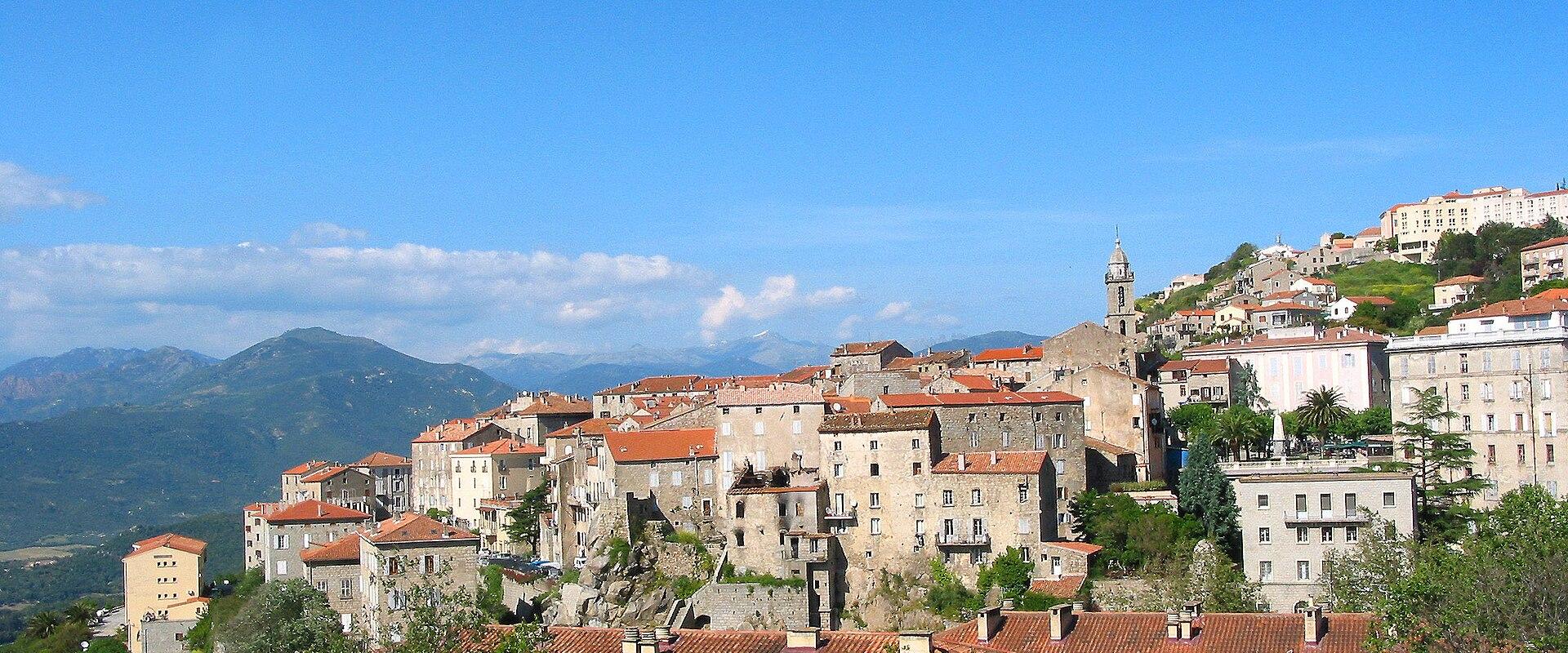
Sartene
Authentic Corsican hilltop town with medieval streets and traditions
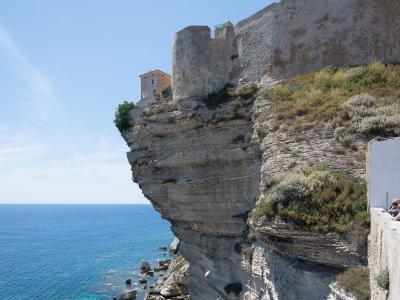
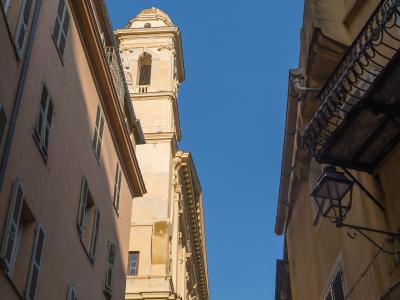
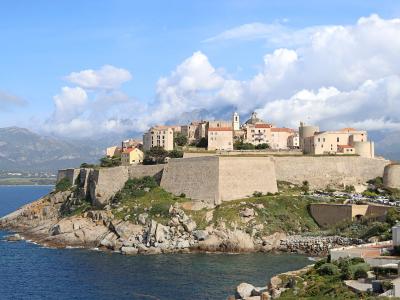
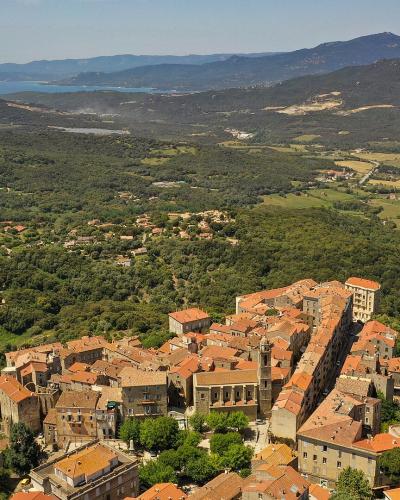
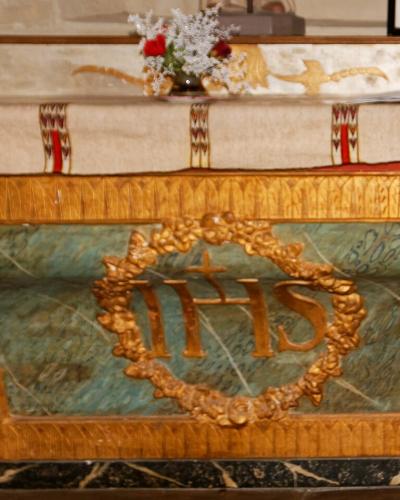
Sartène, situated in the Corse-du-Sud department of Corsica, is a town with a deep historical and cultural identity. Historically, it was a strategic stronghold in the island's complex history of Genoese rule and Corsican independence movements. The town's layout reflects its medieval origins, with narrow, steep streets designed for defense and shade. The name Sartène is believed to derive from the Latin 'sartum,' meaning enclosed or fortified. The town played a significant role in the 18th-century Corsican resistance against Genoa, and its inhabitants are known for their fierce independence and strong sense of community. The architecture is predominantly stone, with traditional houses featuring wooden shutters and tiled roofs. The Église Sainte-Marie, a prominent landmark, showcases Baroque and Neoclassical elements and houses significant religious artifacts.
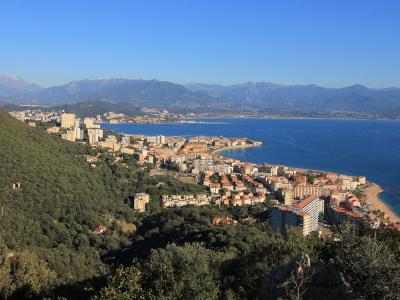
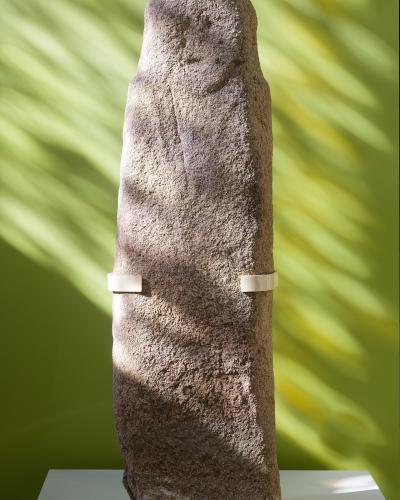
The main attractions in Sartène revolve around its historic center and cultural heritage. The Place de la Libération is the heart of the town, surrounded by cafes and shops, offering a glimpse into daily life. The narrow streets, such as Rue de la République, are lined with historic buildings and small chapels. The Parata Tower, a Genoese tower located nearby, offers views of the coast. The town is also a gateway to the Filitosa Archaeological Park, home to a significant prehistoric village and menhirs, providing insight into Corsica's ancient past. The surrounding countryside offers hiking trails with views of the interior mountains and the southern coast. The nearby beaches, such as Plage de Tizzano and Plage de l'Avena, are accessible for swimming and relaxation.
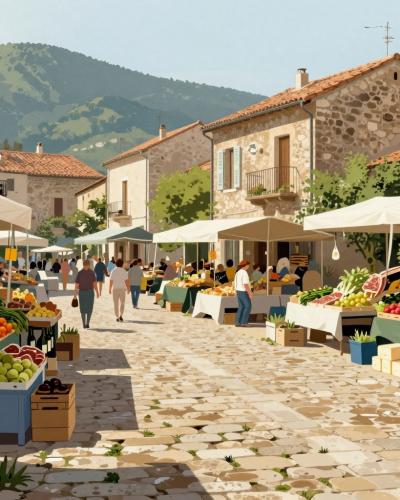
Sartène offers various activities for visitors interested in history, culture, and nature. The town hosts the Fête de la Saint-Jean in June, a vibrant celebration with music, dancing, and traditional foods. The Saturday morning market at Place Porta is a lively event where locals sell fresh produce, cheeses, and cured meats. Hiking is a popular activity, with trails leading to the Chemin de Pertusato, a coastal path with stunning views. The nearby Îles Sanguinaires, accessible by boat, offer a unique natural experience with their pink granite rocks and diverse marine life. The local cuisine features Corsican specialties, including brocciu cheese, chestnut flour products, and wild boar. Wine tasting is also available, with local vineyards producing distinctive Corsican wines.
Getting to Sartène is convenient via car, as public transport options are limited. The town is accessible from Ajaccio and Bonifacio via the D81 and D270 roads. The nearest major airport is in Ajaccio or Figari. The best time to visit Sartène is from early June to mid-September, when the weather is warm and pleasant, ideal for exploring the town and the surrounding beaches. July and August are the warmest months, but also the busiest, with larger crowds. Spring and autumn offer milder weather and fewer crowds, making them suitable for sightseeing and hiking. Winter is cooler and quieter, offering a serene atmosphere for indoor cultural visits. Sartène combines historical depth, cultural richness, and natural beauty, making it a compelling destination for travelers seeking an authentic Corsican experience.
Best Time to Visit
Early June to mid-September offers warm weather and ideal conditions for outdoor activities and sightseeing.
Did you know?
Interesting, verified facts about Sartene
Sartene Has a Second Local Claim
HistoryPerched on a rugged promontory, it offers panoramic views of the surrounding countryside and the Mediterranean Sea.
Source: SartèneSartene Has Another Verifiable Detail
HistorySartène is often described as the soul of Corsica, preserving strong local customs, music, and gastronomy.
Source: Sartène - WikipediaPlan Your Visit to Sartene
Essential travel tips and information for your trip to Sartene.
Suggested Itineraries
One Day in Sartene
1 dayPerfect for a quick visit. See the main highlights and get a taste of local culture.
Extended Sartene Experience
2-3 daysComprehensive exploration including nearby attractions and cultural experiences.
Travel Tips
Currency
EUR • Cards widely accepted
Language
French • English in tourist areas
WiFi
Free WiFi in cafes and hotels
Explore Sartene by Interest
Discover attractions and experiences in Sartene organized by your interests and travel preferences.
All attractions in Sartene
Sorted by our recommendation score
Quick Facts
Book your stay
Frequently Asked Questions
More destinations in Corsica
Explore other amazing places in the Corsica region