







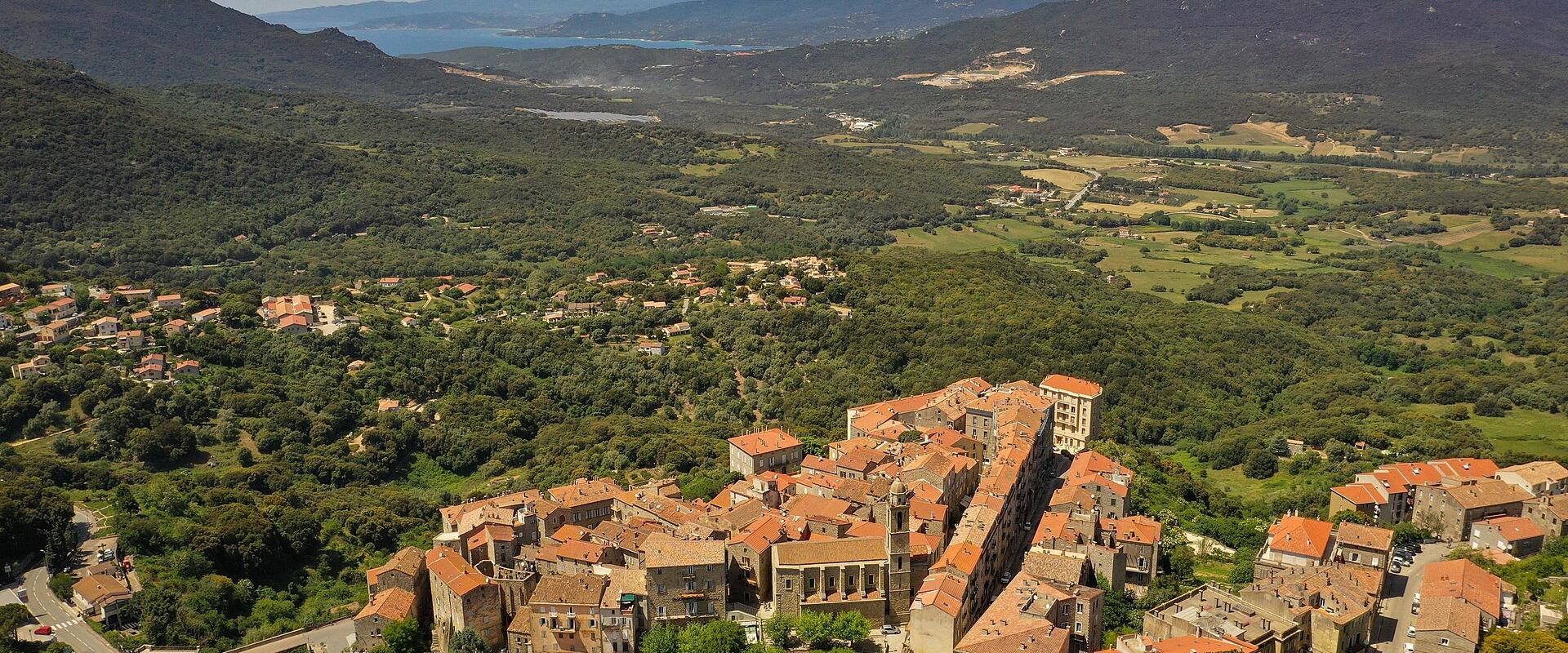
The Old Town (Vieille Ville)
16th-century Genoese refuge with medieval stone streets
- Where
- Sartene, Corsica
- Directions
- Directions
Sartène has often been called the most Corsican of Corsican towns, a phrase attributed to the writer Prosper Mérimée, who visited the island in the nineteenth century. It lies in the south-west of Corsica, on a granite hillside above the valley of the Rizzanese, and its old town is a compact maze of grey stone houses, stairways and covered passages that still feels strongly rooted in the island's past. The buildings are tall and dark, built from local granite, and they rise right up against one another as if to give shelter.
The settlement took its present form under the Genoese, who ruled Corsica for centuries and fortified towns against raids from the sea. In the sixteenth century the Genoese built Sartène as a stronghold and refuge for people living on the exposed coast, where pirates from North Africa often attacked. Walls and towers once enclosed the town, and some of the strongest houses served as defences, with thick walls and few windows. Corsican society of the time was shaped by clan loyalty and by vendetta, the tradition of blood feuds, and Sartène was famous for both. The town's reputation for fierce pride and honour became part of its legend.
The centre of the old town is the Place Porta, a broad central square that is the setting for civic life. The former Genoese governor's palace, now the town hall, stands on it, along with the church of Sainte-Marie, and cafés line the edges. From here, narrow lanes lead into the oldest quarter, the Santa Anna district, where steps and tunnels climb between the houses, and a medieval feel remains. Walking through the covered passages and under arches is a good way to see how the quarter was built for defence and for shade. A self-guided audio tour offered locally can help give context, covering key points of interest.
Sartène is also known for a solemn Good Friday procession, the Catenacciu, in which a hooded penitent carries a heavy cross and drags chains through the streets at night, an ancient ritual that draws visitors and locals alike.
Outside the town, the south of Corsica has some of the island's major prehistoric sites, including standing stones at Cauria and the statue menhirs at Filitosa, which can be reached by car. The Musée de Sartène, the Sartène Market, the Chapel of Saint-Blaise and the Fort de la Punta di a Ghjaghjola add to the list.
The old town is public and free to explore. It suits walkers, history lovers and photographers, and sturdy shoes are advised for the steep and uneven steps.
Categories
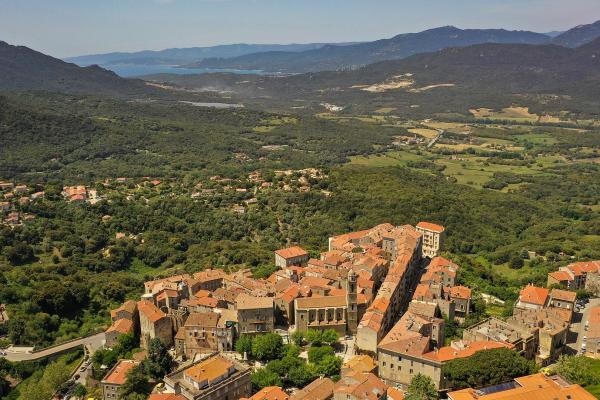
More photos coming soon
Nearby Attractions
Other places to visit in Sartene
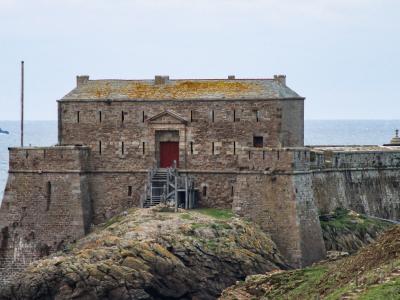
Fort de la Punta di a Ghjaghjola
18th-century Genoese fort in Sartene
Historic Architecture
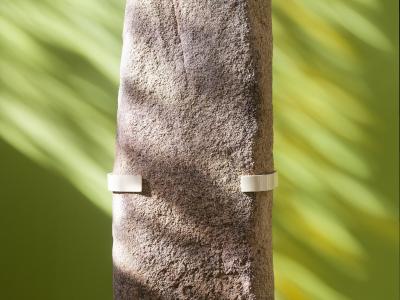
Musée de Sartène
Corsica's premier archaeological museum with statue-menhirs
Cultural Centers · History Museums
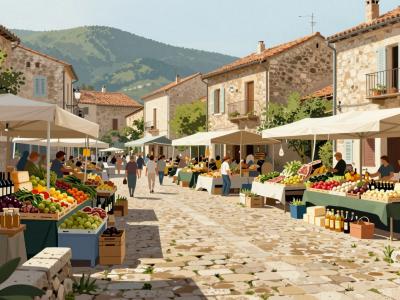
Sartène Market
Year-round market at Place Porta featuring local Corsican...
Free Food & Wine · Urban Exploration
Questions people ask
Quick Facts
Best Time to Visit
Early June to mid-September offers warm weather and ideal conditions for outdoor activities and sightseeing.