







- Where
- Mulhouse, Alsace
- Directions
- Directions
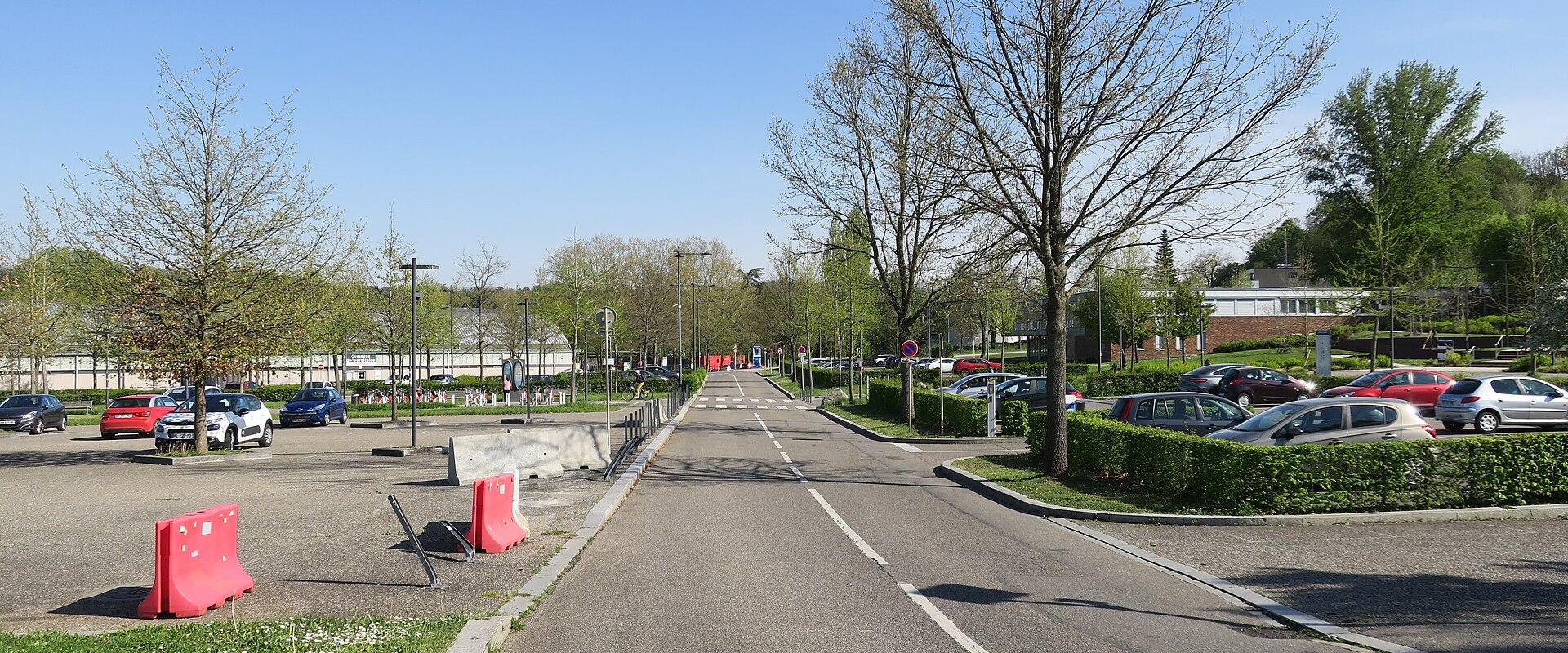
The Grand'Rue is one of the main pedestrian shopping streets of central Mulhouse, a long street of shops, cafés and townhouses leading through the old town close to the Place de la Réunion. Mulhouse is not a town of half-timbered houses in the manner of Colmar or Strasbourg, but a city of brick, stone and painted facades, shaped by a long period of independence and by the industry of the nineteenth century, and the street shows these influences in its architecture and its commercial life.
Mulhouse has an unusual history. For several centuries it was a free city, and from the sixteenth century it was linked in an alliance with the Swiss Confederation, adopting the Reformation. It remained independent until 1798, when it chose to join revolutionary France. This past left the city with a mixed character, with influences from the Swiss, German and French worlds, and a distinct sense of civic pride that is visible in the buildings, particularly the town hall on the Place de la Réunion, a Renaissance building from the sixteenth century with a painted facade and stairs, which now houses the Musée Historique. In the nineteenth century, the textile industry transformed the city, bringing wealth and workers, and Mulhouse became known as the French Manchester.
Walking along the Grand'Rue, you pass buildings of different periods, among them townhouses with painted decoration, and the street is the natural route between the central square and other parts of the city centre. It is lined with chain stores and local shops, cafés and bakeries, and on market days the neighbouring squares fill with stalls. The pedestrian layout makes it pleasant for strolling, and the area is well lit and lively in the evening. The Temple Saint-Étienne, with its tall spire and old stained glass, rises over the Place de la Réunion, and the Tour du Bollwerk, a sixteenth-century defensive tower that survives from the town's fortifications, stands at the edge of the centre.
The city's museums are among its main attractions. The Cité de l'Automobile, with the Schlumpf collection, is one of the largest car museums in the world, with hundreds of vehicles from the early days of motoring to modern racing cars. The Musée de l'Impression sur Étoffes explains the textile printing that made the city rich, and it displays fabrics, tools and designs. The Cité Ouvrière, a quarter of workers' houses built in the middle of the nineteenth century, was one of the first housing schemes of its kind in France. The Jardin Botanique and the Place de la Comédie are further points of interest, and the Parc Zoologique et Botanique lies on the edge of town.
The street suits shoppers, families and anyone wanting to feel the everyday rhythm of the city. A stroll takes about half an hour, longer if you stop in the shops. It is busiest on Saturdays and in the weeks before Christmas, when the city's Christmas market takes over the central squares. Trams serve the centre, and the main railway station is a short walk away.
Categories
More photos coming soon
Nearby Attractions
Other places to visit in Mulhouse
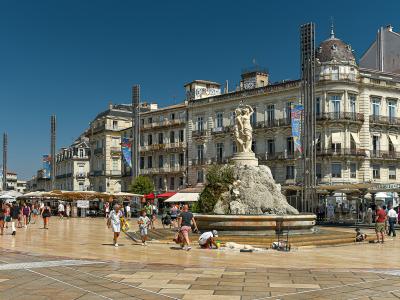
Place de la Comédie
Mulhouse industrial heritage landmark
City Centers · Squares
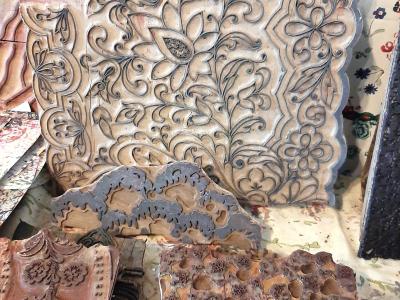
Musée de l'Impression sur Étoffes
Textile printing heritage museum in Mulhouse
Museums & Culture · History Museums
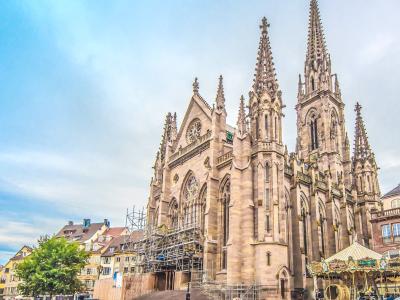
Cathédrale Saint-Étienne
Neo-Gothic Protestant church with 14th-century stained glass
From €3 Guided Experiences · Historic Architecture
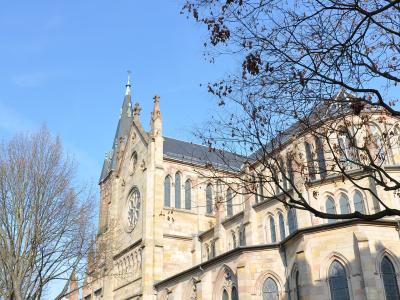
Église Saint-Étienne de Mulhouse
Mulhouse's main Roman Catholic church with cathedral-like...
Free Historic Architecture · Churches
Questions people ask
Quick Facts
Best Time to Visit
Mid-June to early September offers warm weather and ideal conditions for outdoor activities and sightseeing.