







- Where
- Mulhouse, Alsace
- Directions
- Directions
Mulhouse is a city that built its fortune on printed cotton, and its centre carries that history in a way that surprises people expecting the timber-framed villages of the Alsace wine road. For several centuries it was an independent republic allied with the Swiss, and it only joined France in 1798. The prosperity that followed from the textile trade, with its printed fabrics known as indiennes, paid for the grand civic buildings, workers' housing and museums that still define it today. The city holds the label Ville d'Art et d'Histoire, which reflects that heritage.
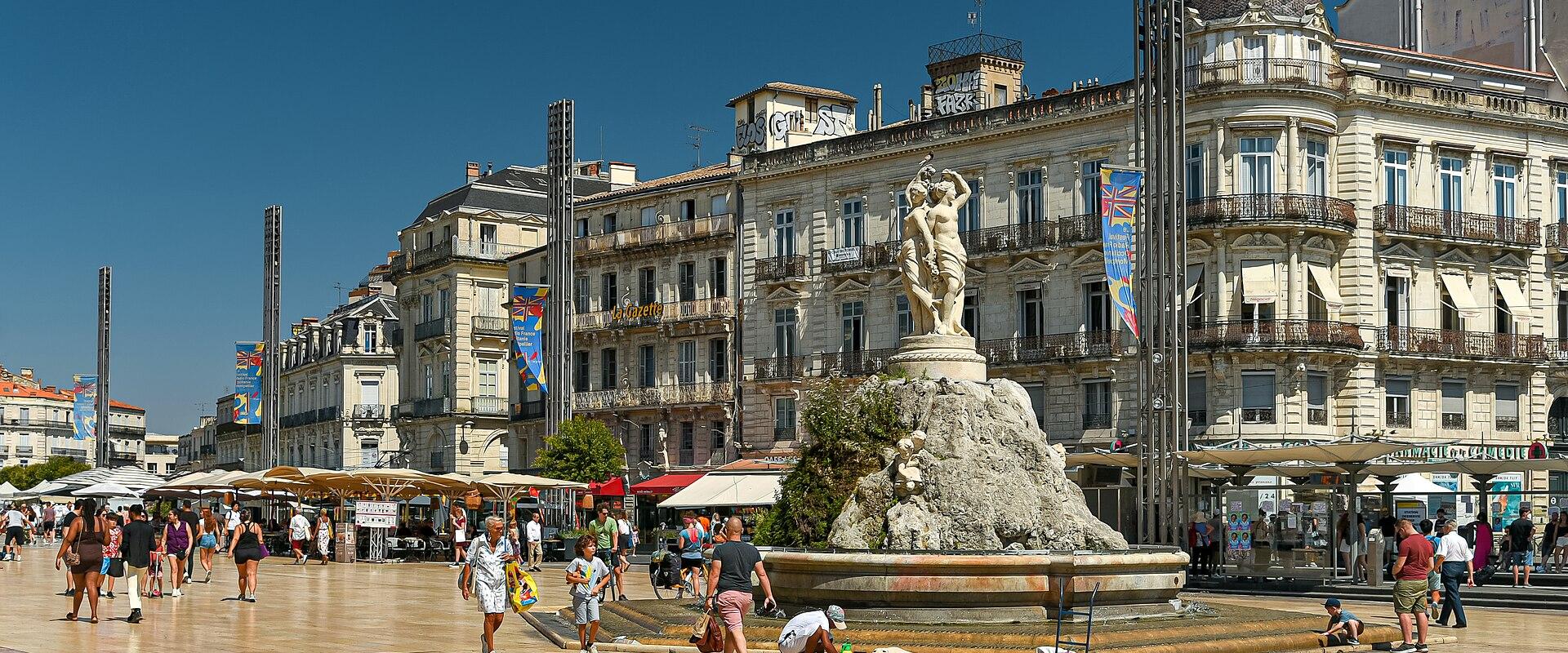
Place de la Comédie belongs to this urban fabric. It is a modest public square in the town centre, small in scale next to the better-known Place de la Réunion, and best understood as part of a wider walk rather than a destination of its own. Little is documented about the square itself, so it is better to treat it as a pause on the way between the larger sights than as a monument. Around it, the streets show the mix of nineteenth-century commercial buildings, rebuilt corners and civic architecture that is typical of the city centre.
Starting from the area, you can reach the main historic landmarks easily on foot. The Temple Saint-Étienne, the Protestant church that dominates Place de la Réunion, stands nearby, along with the old town hall with its painted Renaissance facade. The Grand Rue is the main pedestrian shopping street, and the Maison Pfister and other buildings reward a slow look. For the textile story, the Musée de l'Impression sur Étoffes explains how designs were engraved and printed onto cloth, and it is one of the best museums of its kind in Europe.
Mulhouse also has some of France's biggest technical museums. The Cité de l'Automobile holds a vast collection of historic cars, and the Cité du Train celebrates the railway, while the Tour du Bollwerk and the modern Tour de l'Europe represent the older defensive walls and the later city. The Musée du Jouet and the Jardin Botanique offer gentler visits for families.
For visitors the square is a convenient meeting point and a stop for coffee, since the centre is compact and walkable, with trams and buses linking it to the station and the outer districts. The local tourist office can supply maps and guided tours. It suits anyone building a walking loop through the historic centre of Mulhouse.
Categories
More photos coming soon
Nearby Attractions
Other places to visit in Mulhouse
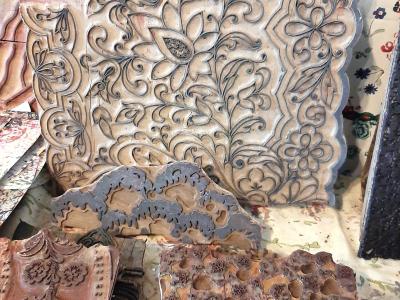
Musée de l'Impression sur Étoffes
Textile printing heritage museum in Mulhouse
Museums & Culture · History Museums
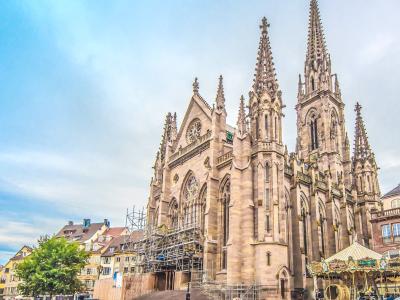
Cathédrale Saint-Étienne
Neo-Gothic Protestant church with 14th-century stained glass
From €3 Guided Experiences · Historic Architecture
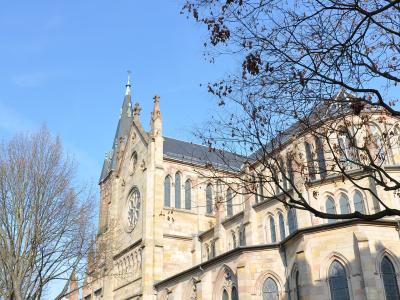
Église Saint-Étienne de Mulhouse
Mulhouse's main Roman Catholic church with cathedral-like...
Free Historic Architecture · Churches
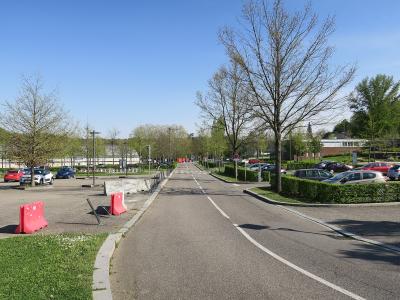
Grand Rue
Historic pedestrian street in UNESCO Mulhouse
Urban Exploration
Questions people ask
Quick Facts
Best Time to Visit
Mid-June to early September offers warm weather and ideal conditions for outdoor activities and sightseeing.