







- Where
- Mulhouse, Alsace
- Directions
- Directions
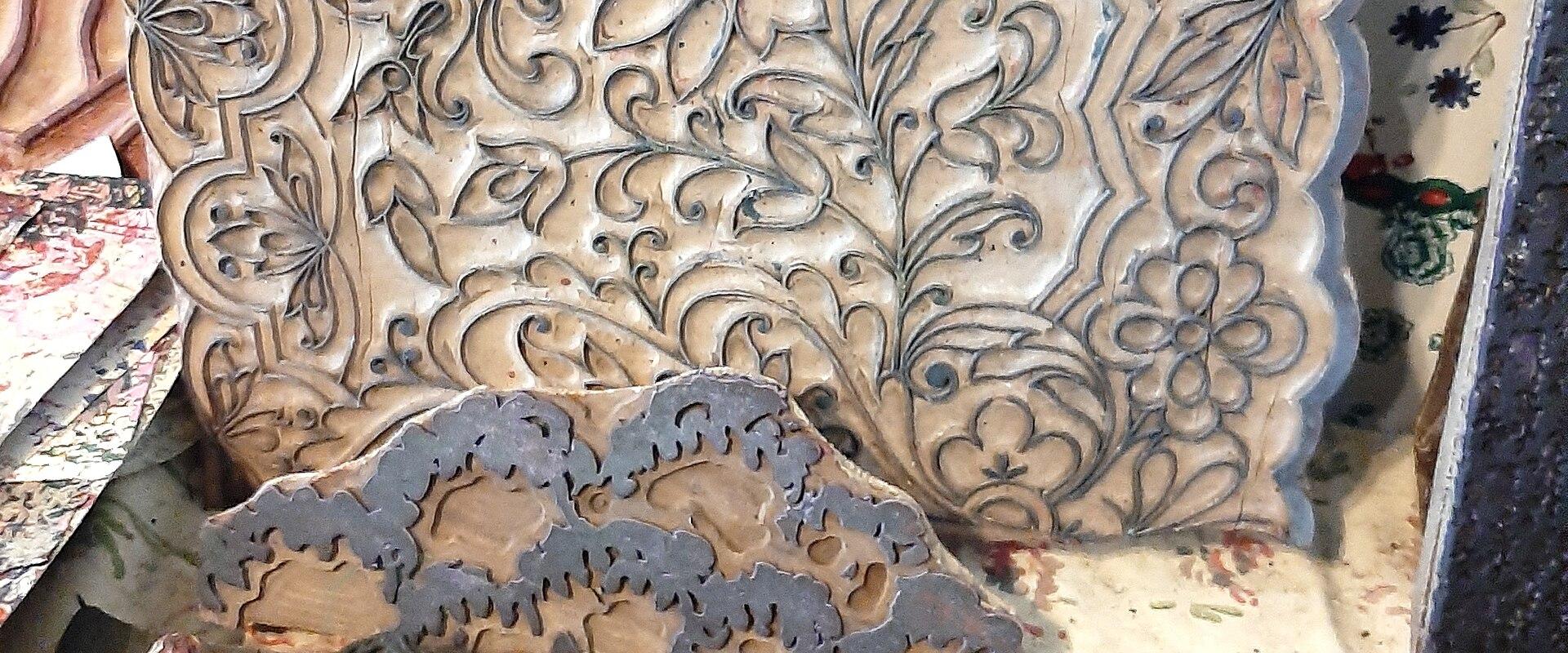
Mulhouse, in the south of Alsace, was one of the great industrial cities of nineteenth-century Europe, and its wealth was built on printed cotton. The Musée de l'Impression sur Étoffes, the Museum of Textile Printing, is devoted to this heritage, and it is one of the most important museums of its kind in the world. It was founded in the 1850s by the Société industrielle de Mulhouse, an association of local manufacturers who wanted to preserve patterns and samples for the use of designers, and it grew into a vast collection of printed textiles.
The story begins in the middle of the eighteenth century. In 1746 a group of Mulhouse businessmen set up a factory to print cotton cloth with painted designs, in imitation of the indiennes, the colourful printed cottons that came from India and were forbidden in France to protect the silk and wool trades. When the ban was lifted, Mulhouse's industry boomed. At that time the city was an independent republic allied to the Swiss, and it joined France only in 1798. Families such as the Koechlins and the Dollfus built large factories, and the city earned the nickname of the French Manchester, with its mills, dye works and workers' housing. By the nineteenth century, Mulhouse produced fabrics that were exported worldwide, and it also became a centre of chemistry and engineering.
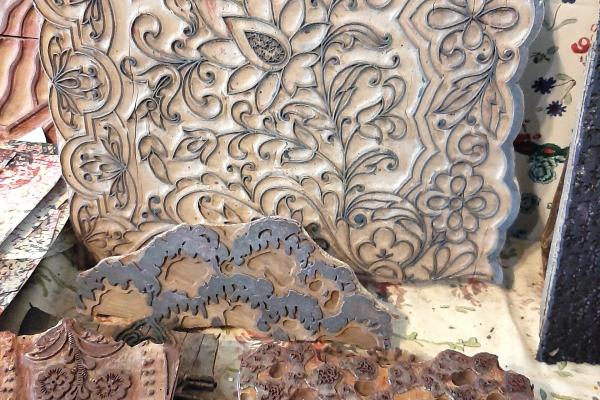
The museum's collection includes more than a million samples, pattern books and printing tools, from the eighteenth-century calicos to modern designs. The displays show the evolution of techniques, from hand block printing with carved wooden blocks to copper plate printing and engraved rollers that allowed mass production, and the work of designers who drew on flowers, geometric patterns and exotic motifs. The collection is regularly updated, with temporary exhibitions that explore the relationship between art, design and fabric, and the museum often works with contemporary artists and designers.
A visit is useful for anyone interested in fashion, interior design or industrial history, and it helps to explain how Mulhouse, a mid-sized city, became so important. Check opening times and exhibitions before you go.
The museum suits designers, textile enthusiasts and curious travellers, and it can be combined with the city's other museums, among them the Cité de l'Automobile, with its large car collection, and the Musée du Jouet. The old town has the Place de la Réunion, the Église Saint-Étienne and the painted Maison Pfister, and the Jardin Botanique is a pleasant walk.
Categories
More photos coming soon
Nearby Attractions
Other places to visit in Mulhouse
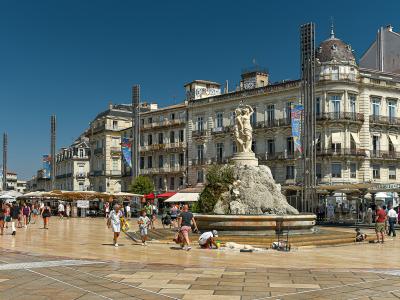
Place de la Comédie
Mulhouse industrial heritage landmark
City Centers · Squares
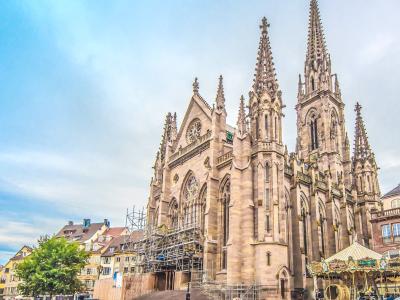
Cathédrale Saint-Étienne
Neo-Gothic Protestant church with 14th-century stained glass
From €3 Guided Experiences · Historic Architecture
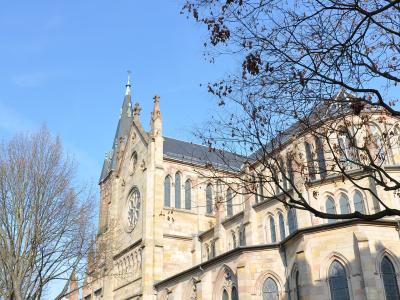
Église Saint-Étienne de Mulhouse
Mulhouse's main Roman Catholic church with cathedral-like...
Free Historic Architecture · Churches
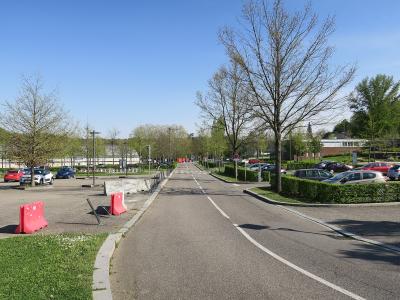
Grand Rue
Historic pedestrian street in UNESCO Mulhouse
Urban Exploration
Questions people ask
Quick Facts
Best Time to Visit
Mid-June to early September offers warm weather and ideal conditions for outdoor activities and sightseeing.