







- Where
- Besancon, Franche-Comté
- Directions
- Directions
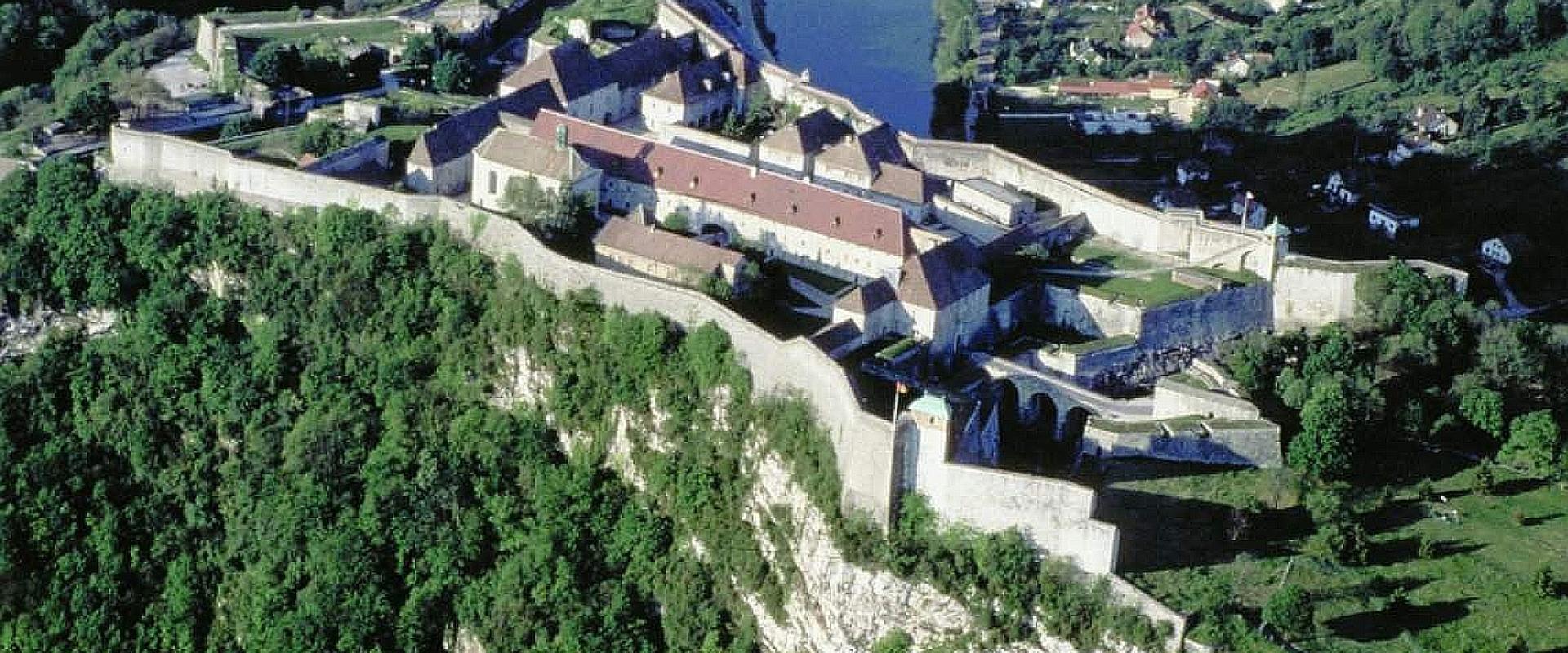
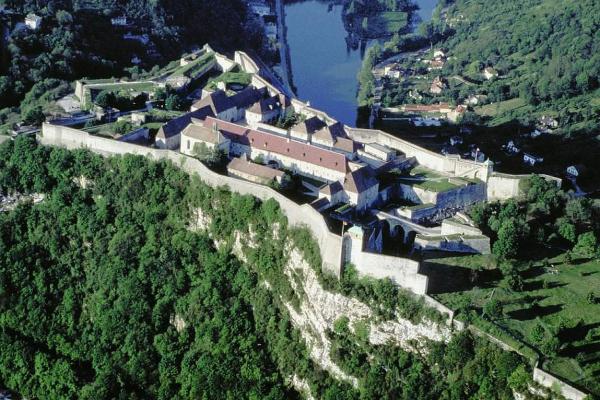
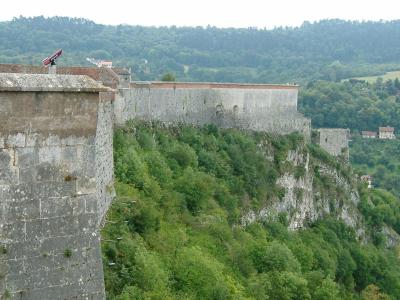
The Citadelle de Besançon stands on a steep limestone spur that rises about a hundred metres above the loop of the river Doubs, and it dominates the old town in the same way the town's famous loop of water does. The fortress is the work of Sébastien Le Prestre de Vauban, the military engineer of Louis XIV, who began it after the king had conquered the Franche-Comté in the 1670s and wanted to secure the new province against Spain and the empire. Work went on for many years, and the result is a long line of ramparts, bastions and a hornwork that follow the ridge, with the town enclosed in the bend of the river below. In 2008 it was inscribed on the UNESCO World Heritage List as part of the group of Vauban fortifications.
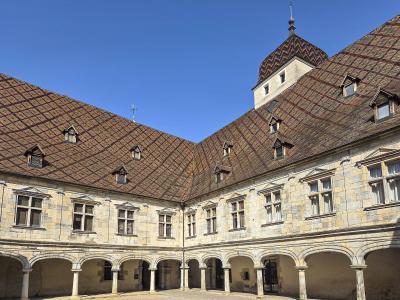
A visit is a long walk with a lot to see. The ramparts, which can be walked in sections, give wide views over the roofs of Besançon, the river and the surrounding hills, and they are the main reason many people come. Inside the walls the buildings include barracks, a chapel and the large parade ground. The citadel is also the home of several museums. The Musée comtois covers the traditions, crafts and everyday life of the region, with costumes, tools and reconstructed interiors. The Musée de la Résistance et de la Déportation, one of the main French museums on the subject, tells the story of the Second World War in France and of those deported. The fortress itself was used by the German occupiers for executions of members of the Resistance, which is the reason the street at its foot is called Rue des Fusillés de la Résistance.
The site also contains a zoological garden, with animals, an aquarium and an insect house, which makes the citadel a good option for families with children. Because the complex is large and includes several separate attractions, it is worth deciding in advance what to see. Hours and ticket arrangements vary with the season and the day of the week, and some sections close at different times, so check the official website for the latest information before you go.
The climb from the town is steep, either on foot along paths and stairs or by bus. Comfortable shoes are important, especially on the ramparts, where the paving is uneven and the wind can be strong. Allow at least half a day for a full visit, and more if you want to see the museums thoroughly.
In the town below, the old quarter, the Théâtre Romain, the Place de la Libération, the Musée des Beaux-Arts et d'Archéologie and the Musée de la Montre et de l'Horlogerie Franc-Comtoise reflect the story of a city famous for its watchmaking. The Marché des Capucins and the Cathédrale Saint-Jean-Baptiste are also nearby. The citadel suits history lovers, families and walkers who enjoy a good viewpoint.
Categories
More photos coming soon
Nearby Attractions
Other places to visit in Besancon
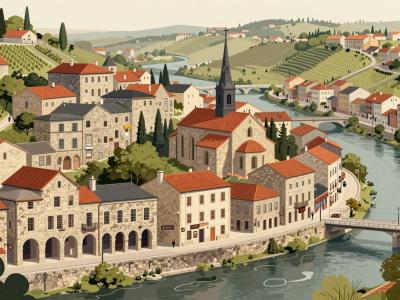
Le Vieux Besançon (Old Town)
Best-preserved historic city in a river loop
City Centers · Heritage Trails
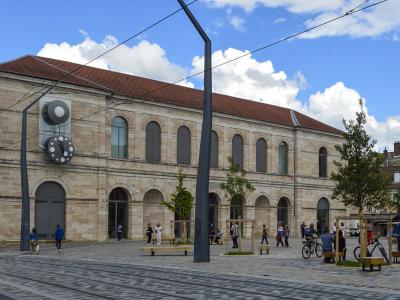
Musée des Beaux-Arts et d'Archéologie de Besançon
France's oldest public art collection, founded 1694
Museums & Culture
Musée de la Montre et de l'Horlogerie Franc-Comtoise
Granvelle Palace housing 1,500 timepieces
Museums & Culture
Musée Comtois
Regional history museum in Besançon Citadel
Historic Architecture · Museums & Culture
Questions people ask
Quick Facts
Best Time to Visit
Late June to early September offers warm weather and ideal conditions for outdoor activities and sightseeing.